

Ah, yes! Another beautiful day at the office. You’ve answered emails, scheduled meetings, and checked a few things off your to-do list. Life is good, and payday is just around the corner. What could go wrong? Suddenly, DING! You’ve got mail! An email from your supervisor appears with the subject line, “URGENT: PLEASE RESPOND IMMEDIATELY.” The message reads, “Please come to my office at 1:00 PM.” Curious, you ask who will be attending, and your supervisor responds with two dreaded letters: “HR.” Uh-oh! At exactly 1:00 PM, you walk into the office and hear the words nobody wants to hear:
“Unfortunately, we’ve decided to terminate your employment effective immediately.” Wait. WHAT?! Just like that, your steady paycheck is gone, your heart is racing, and your mind immediately jumps to the mortgage, car payment, electricity bill, and groceries. How on earth are you supposed to pay for everything now? Well, my friend, welcome to unemployment, a club nobody wants to join! But before you panic, here’s some good news: Losing your job doesn’t mean you’ve run out of options. From unemployment benefits and financial assistance to job-search resources, there are ways to help you get back on your feet.
This blog will walk you through those options without the confusing government terminology or unnecessary runaround. After all, bills don’t pay themselves, and you’ve got a life to get back to! When your paycheck stops and the bills don’t. Unemployment insurance can help replace some of your lost income as you look for work. The application is just the first step, though, and it’s important to know what happens after that so you don’t end up with a missed payment or two. Benefit specifics, deadlines, and requirements vary by state, so follow your state agency’s instructions. Now that we’ve gotten the initial shock out of the way, it’s time to get down to business! First things first, make sure your laptop is charged, your Wi-Fi bill is paid, and your electricity isn’t scheduled for disconnection anytime soon.
Trust me, you’ll need all three! These are your key tools for filing for unemployment benefits, searching for jobs, and getting yourself back into the workforce. You’ll also want to set aside uninterrupted time because, unfortunately, applying for unemployment isn’t always quick or easy. Scary? Absolutely! Impossible to navigate? Not necessarily. That’s exactly why we’re here. Throughout this unemployment journey, I’ll try to guide you through the paperwork, point you toward helpful resources, and make this overwhelming process a little easier to understand. However, you’ll still need the time, effort, and determination to make things happen. So, grab your laptop, get comfortable, and maybe pour yourself another mug of coffee because we’ve got some work to do. It’s time to hit the pavement—or, should I say, the digital pavement—and get started!

A brief history of unemployment insurance
The U.S. unemployment insurance system grew out of the Great Depression. Wisconsin passed the first state unemployment compensation law in 1932. The Social Security Act of 1935 set up the federal-state system at the national level, and Wisconsin made the first benefit payment in 1936. [2][3] Congress created permanent Extended Benefits in 1970 for periods of high unemployment. Congress later introduced temporary pandemic programs to provide additional payments and cover some who would otherwise have been excluded from normal benefits (including eligible self-employed); those schemes ended in 2021. The fundamental federal-state partnership remains in place. [4][5][6]
Begin with all your records and essential bills.
Save your separation notice, your most recent pay stubs, your W-2s, and any other relevant correspondence from your employer. Find out when you’ll receive your final pay, whether you’ll get severance or pay for unused leave, and when your health insurance ends. Make a budget for housing, food, utilities, transport, and medication.
Contact your creditors and service providers as early as possible to see what hardship options are available. Apply for unemployment as soon as possible after you lose your job or have your hours reduced (delaying can affect which weeks you’re eligible to claim). Report any severance and other payments, rather than assuming they will automatically exclude you from claiming. [7][8]
Check whether you might qualify.
Eligibility generally depends on a combination of sufficient past earnings, being unemployed through no fault of your own, and being able and available for suitable work. States will look at your wages over a defined ‘base period’ and generally require that you are actively seeking work. The standard base period in most states is the first four of the last five completed calendar quarters before filing. [1][9]
Being sacked or resigning doesn’t necessarily end it either; it all depends on the circumstances and the state laws. Self-employed income generally won’t qualify for the normal benefits, although employee wages or worker misclassification could change the outcome. Just apply with the correct information and let the agency make the call. [9][10]
Now, here’s something important to understand: Unemployment benefits will not replace your entire paycheck. Each state has its own rules for determining how much you’ll receive weekly, and depending on where you live and what you previously earned, that amount could be significantly less than what you’re accustomed to bringing home. In some cases, you may find yourself trying to manage your bills with only a fraction of your previous income.

Follow the claim process from application through to payment:
1. Find the correct state agency
You normally file in the state where you worked, even if you live in a different state. If you worked remotely or in more than one state, check with your home state’s unemployment office about where to file. USAGov has a page on unemployment which links to the relevant state agencies. Use those official agency links rather than adverts that promise approval. [11]
2. Gather the application information
Gather your SSN, ID, contact details, and employment history. Many states will ask for around 18 months of employer names, addresses, dates of employment, and gross earnings. Have your last day of work, reason for leaving, and final payment details ready. Work authorization, military or federal employment documents may be required in certain circumstances. Have your bank details ready if your state offers direct deposit and you choose it. [12][13]
3. Submit the claim and verify your identity
Complete the official application, answer honestly, and follow the identity verification instructions. Online filing is the norm, but other methods vary by state. If you can’t complete the online process, you can always ask for help. Save your confirmation and the next set of steps. Creating an account alone doesn’t complete your application. [1][14]
4. Review notices and reply promptly
A monetary determination will tell you whether your recorded earnings are sufficient to support a claim and will estimate your possible benefits. It is not necessarily a final determination of entitlement. Your former employer may also be contacted. Further qualification issues could be flagged for further review, even where your earnings are sufficient. Look out for missing employers or incorrect earnings. You will need to respond to questionnaires and interviews, monitor your mail and online account, and hand in any amendments by the relevant deadlines. [15][16]
5. Certify regularly and document your job search
Most states require weekly or bi-weekly certifications to confirm your continued eligibility. You’ll start when you’re told to, including whilst your claim is still pending. You’ll need to complete your work registration and re-employment appointments and keep a record of all your applications and employer contacts. [17][18]
Report your work, job offers, job refusals, and earnings. Report your employee wages generally for the week earned (even before payday). Follow the specific instructions for gig work, self-employment, severance, and other income. Part-time earnings may reduce your benefits without necessarily eliminating them. [19]
6. Track payments and prepare for taxes
The DOL gives a general first payment estimate of two to three weeks, although delays may happen because of reviews and missing information. Some states require a one-week wait before payment. Make sure your payment method is correct and that you are continuing to meet your certification requirements. [18]
Unemployment compensation is generally taxable at the federal level. You can elect 10% federal withholding, although your actual tax bill may be different. State tax treatment varies by state. Get your Form 1099-G for your tax return and keep your payment records. [20]
7. Act quickly if there is a denial
Check the appeal deadline on your notice, file your appeal via one of the accepted methods, and keep your proof. Florida, for instance, generally allows 20 calendar days from the date the determination is issued; California generally allows 30 days from the date the notice is mailed. Attend any scheduled appeal hearing, and bring any records that support your case. Continue to certify as your state requires during the appeal. If the agency is asking for repayment, find out what your appeal rights are and whether any nonfraud overpayment waiver is available (waiver rules vary by state). [21][22][23]

Find financial support beyond just unemployment.
Other programs have their own individual applications and eligibility criteria. You can look at those whilst you’re on unemployment. You’ll need to report any changes to your income or household as required, and be aware that being on unemployment does not automatically entitle you to, or exclude you from, every other program. [24]
Food: SNAP helps eligible households buy food. If your resources are extremely limited, you may want to ask about accelerated processing. WIC supports eligible pregnant and postpartum women, infants, and young children. Food pantries can provide some immediate assistance. [25][26][27]
Cash assistance (Temporary Assistance for Needy Families or TANF) is available to eligible families. You can apply through your state or tribal program. Benefit amounts and requirements vary. [28]
Housing and utilities: Call 211 for local referrals and ask housing agencies what rental assistance is available (some have waiting lists). LIHEAP may help with eligible heating, cooling, or energy crisis costs, and Lifeline may help with qualifying phone and internet discounts. [27][29][30]
Health coverage: If you lose your job-based insurance, you generally have 60 days to enroll in Marketplace coverage afterward. Medicaid and CHIP accept applications year-round for eligible individuals. COBRA may let you keep your employer plan, though you would be responsible for the full premium plus an administrative fee. COBRA will typically give you 60 days from the later of the date of coverage loss or the date of the election notice to enroll. Compare costs and enrollment deadlines. [31][32]
Employment and training: American Job Centers provide free job search assistance. Before you pay for any training yourself, find out if you qualify for funded training through a workforce program. Also find out whether the training will alter your unemployment work search obligations. [33]
If you lost your job because of a presidentially declared major disaster, ask whether Disaster Unemployment Assistance is available in your area. It may be available to eligible workers or self-employed people who don’t qualify for regular unemployment. [34]
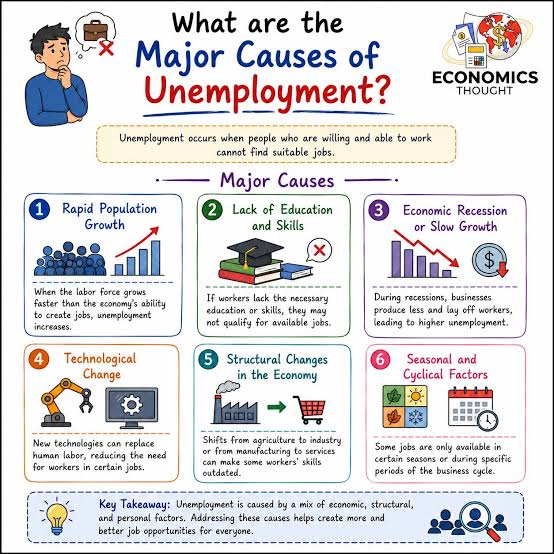
Expect your claim to vary over time.
Eligibility is established initially; payments then depend on meeting the weekly requirements. Report a return to work immediately. If a job ends, you may need to reopen an existing claim rather than start a new one. [19][35]
A benefit year is normally 12 months, though benefits can run out a lot sooner. Many states will provide up to 26 weeks of regular benefits (limits and individual entitlements vary). Extended Benefits are available. [18][35][36]
How unemployment systems are evolving
Modernization is already affecting the experience. In March 2026, the Department of Labor announced enhanced identity verification services via Login.gov for participating states. In April 2026, California announced it would provide clearer online certification questions and instructions after releasing a wage reporting tool. [37][38]
These developments imply more guided online applications and digital verification ahead, although there is no guaranteed nationwide timetable. Technology does not automatically increase benefits or guarantee faster approval. Laws and economic conditions can also change payment limits and requirements. Check current state guidance whenever you apply or reopen a claim.
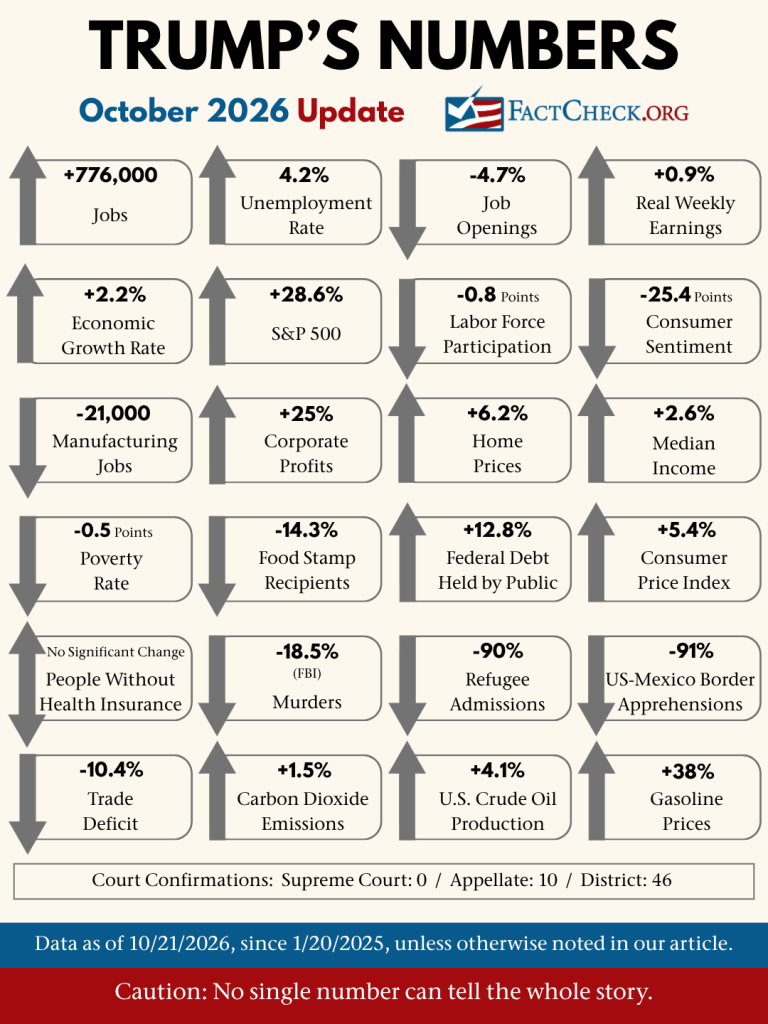
Need Financial Assistance? Dial 211!
Did you know that help could be just three numbers away? 211 is a free, confidential service that connects individuals and families with local resources when times get tough. Whether you’re struggling to pay rent, keep the lights on, buy groceries, or cover other essential expenses, 211 can help point you in the right direction. Simply dial 211 or visit www.211.org to find organizations in your area offering financial assistance, utility assistance, food pantries, housing support, and employment resources. You can also visit Benefits.gov to explore government assistance programs you may qualify for. Keep in mind that assistance depends on your location, eligibility, and available funding. Remember, there’s no shame in asking for help, especially when life throws you a financial curveball. Those bills aren’t going to wait, so don’t wait to find out what help is available!
Final Thoughts
Losing your job isn’t the end of the world, but let’s face it, it’s a challenge most of us aren’t financially prepared to handle. Nobody wakes up expecting to lose their livelihood. We’re often told to have three to six months of expenses tucked away for emergencies, but many Americans live paycheck to paycheck. Between rent, mortgages, groceries, car payments, and everything else life throws at us, saving for a rainy day is easier said than done. This little Cliff Notes-style blog has covered the basics of navigating unemployment, but we all have to take preparing for financial unpredictability seriously. Creating a budget, building an emergency fund whenever possible, and knowing where to turn for assistance can make a world of difference when that unexpected pink slip arrives. If you’re currently unemployed, remember that you don’t have to figure everything out overnight.
Give yourself a moment to process what’s happened, gather your thoughts, and create a realistic plan for moving forward. Be sure to research the unemployment benefits and assistance programs available in your state, since eligibility requirements, payment amounts, and application procedures vary by location. Most importantly, don’t let this temporary setback convince you that your future is on hold. Your next opportunity could be closer than you think! Till next time, keep informed, stay alert, and for the sake of all things good, start putting together a financial backup plan before life surprises you again.
Because trust me, nobody wants an extended stay in the unemployment zone, where the paperwork is endless, the benefits are limited, and Uncle Sam isn’t exactly handing out five-star accommodations! Unemployment insurance can provide breathing room after job loss, but it works best when you understand your responsibilities. Apply immediately, follow your state’s rules, keep requesting benefits, and respond to notices. Explore other assistance while you search for work, and check official guidance as programs change. Staying organized can help you avert delays and make the most of available support. Good luck!!