
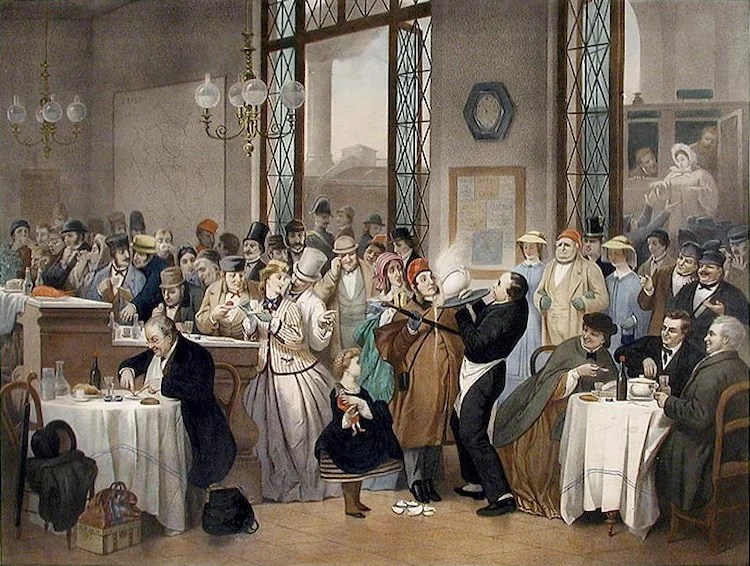
“What do you want for dinner?” or “What do you have a taste for tonight?” is a typical question, but how often do we ask how restaurants originated? Have you ever sat in a place where food was served and asked yourself…. ” What was the first restaurant, and what did they serve?” Surely this concept has been around for many centuries, and surely everyone was able to go to one, hence taverns and pubs. They never served fine cuisine, exquisite wines, cognacs, or tiramisu to those who just needed a pint and whatever the catch of the day was. If you had the money and the status, then your choice of fine dining (outside of your trained private French chef or house cook who has worked for your family since before you were born) was limited, but only known to you and your circle.
Restaurants are a normal part of life today, but most people do not really think about how they started. When we go out to eat, we usually just walk in, sit down, look at the menu, order our food, and enjoy the meal. It feels like something that has always been around, but restaurants actually had to be created and changed over time. People go to restaurants for a lot of different reasons. Some people go to celebrate birthdays, holidays, or special moments. Others go because they do not feel like cooking, want to try something new, or just want to spend time with family and friends. Eating out is not only about getting food, but also about having an experience.
Restaurants were not always the way they are now. In the past, the way people ate outside the home was different, and it changed as society changed. Travel, trade, culture, and technology all helped restaurants become more common. As more people moved around and cities became busier, people needed places where they could buy prepared food. The history of restaurants shows that eating out has always meant more than just eating a meal. Restaurants give people a place to relax, connect with others, and enjoy different kinds of food. Over time, they became an important part of everyday life and the way people come together.
In this blog, we will learn the history of how the first local eateries were created and how they evolved into a multibillion-dollar industry, with plenty of room for anyone to try their hand at leaving a great taste in anyone’s mouth. So grab your wallets and satchels. Make sure you have enough to tip the waiter, and for the love of the food Gods, please make sure you order what you can eat and not eat with your eyes….. Last time you ordered $150.00 worth of seafood and ended up throwing most of it out!!

Before Restaurants Were Restaurants
Even before the time of modern restaurants, people had already been buying food outside of their houses. Since travelers, merchants, workers, and people who didn’t have kitchens needed places where they could eat, street vendors, inns, taverns and food stalls became a part of everyday life in ancient times.In ancient Rome, many people from the lower classes lived in small flats with no kitchens and usually bought hot meals and drinks from food stalls called thermopolia. Although these establishments were not like the restaurants we know, the basic concept was the same: people could pay for food that had already been prepared rather than cooking it at home.
Similar types of business also developed in other areas. In China during the Song Dynasty, large cities such as Kaifeng and Hangzhou were home to a great number of travelers, merchants, and people from various regions. Public dining places provided a variety of food to fulfill different palates. This proves that restaurants did not originate from a single culture. People all over the world have contributed to the way we eat when away from home.
How the Modern Restaurant Took Shape
The term ‘restaurant’ dates back to 18th-century France, but at first it did not refer to a place where one could eat; rather it denoted a rich and restorative broth which people believed would restore their strength and promote good health. In Paris shops this type of broth was sold and, as time went on, certain shops began to provide complete meals. You may have heard that a man named Boulanger opened the first modern restaurant in Paris around 1765. This story has been told for years, but historians say the real history is more complex. Mathurin Roze de Chantoiseau is also credited with forming the restaurant as we know it. This shows that history can be repeated so often that one version becomes popular, even if the truth is more complicated.
What made a restaurant different was the freedom it gave its customers. At an inn or tavern, guests usually ate whatever was being served, often at a shared table and at a set time. In a restaurant, people could sit at their own table, choose from a menu, order when they were ready, and pay for the exact meal they wanted. Eating out was no longer only about finding something to eat. It became a personal experience. Restaurants grew even more popular after the French Revolution. Many skilled chefs who once worked for wealthy families needed new jobs. Some opened restaurants and shared their cooking with a wider public. Meals once reserved for the upper class became available to regular people who could afford them.
When Restaurants Became Part of Everyday Life
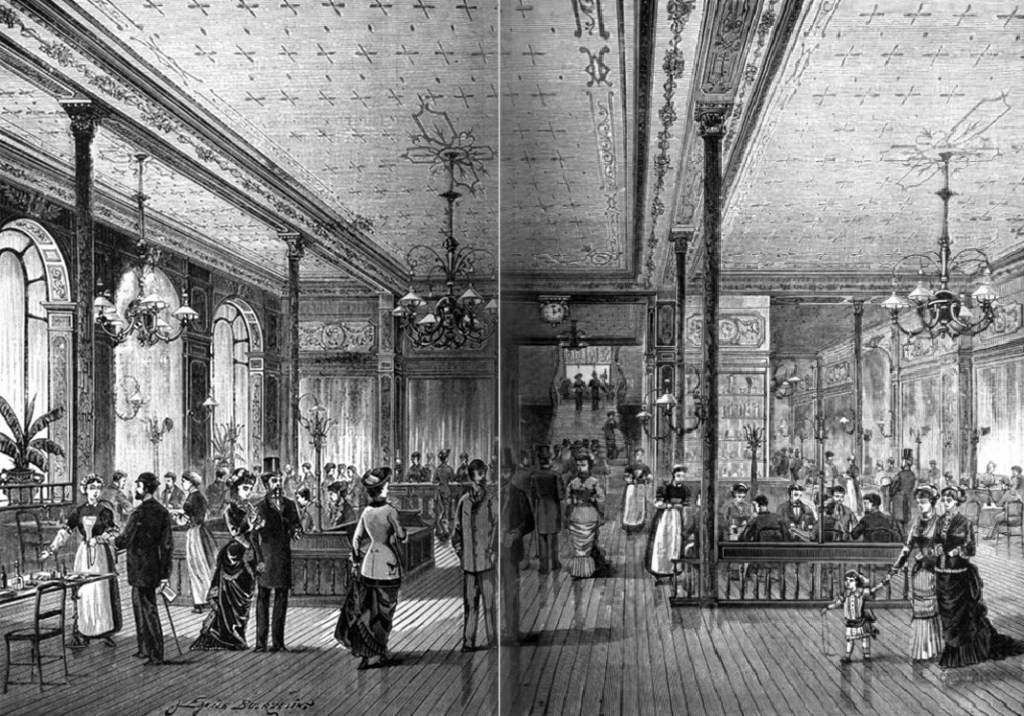
Since cities grew in the nineteenth and twentieth centuries, restaurants grew too. Cafés, diners, lunch counters, family-owned spots, and fine-dining places began serving different needs and groups. They became popular because they served affordable food in a relaxed setting. Later, cars, highways, and busier lifestyles helped fast-food restaurants grow. Chains such as McDonald’s offered something many customers wanted: quick service, familiar food, and the reassurance of knowing what to expect at almost any location. Restaurants also became a powerful way to share cultures. Immigrant families brought recipes, flavors, cooking styles, and traditions from their home countries. Thanks to them, people could try Italian, Chinese, Mexican, Indian, Caribbean, Japanese, and many other cuisines without leaving home.
Family-owned restaurants have been key to keeping these traditions alive. Many started with recipes handed down from generation to generation. Ingredients might change to fit what was available in a new country, but the meaning stayed the same. For families starting over in a new place, opening a restaurant could provide income and create a space where their language, music, customs, and memories were welcome. Customers got more than a meal—they were welcomed into a piece of the family’s history. Restaurants have also shown how society changes. Lunch counters served workers who needed quick meals, cafés gave artists and writers places to share ideas, and neighborhood diners became spots where staff knew regulars by name. Some restaurants helped break down cultural barriers by letting people try new foods. Others showed the unfairness of their time through segregation and discrimination. Studying restaurant history means seeing both sides: the joy food brought and the struggles people faced to be served and feel welcome.
To me, that is one of the most beautiful things about restaurants. A meal can tell a story. A meal can tell a story. It can introduce us to a new culture, bring back childhood memories, or help someone feel closer to home. Food connects people, even when their lives and backgrounds are very different. They used to be there to provide a decent meal. Today, people expect much more. The atmosphere, music, decorations, customer service, menu design, and food presentation can matter as much as the food itself. Restaurants are now part of our most personal moments. We visit them for first dates, anniversaries, graduations, family celebrations, business meetings, or just when we need a change of scene. Sometimes we want more than dinner—we want to relax, feel cared for, and enjoy a new setting, even if only for an hour.
Social media has changed the restaurant experience. Before picking a place, many people check photos, ratings, menus, and reviews online. Once there, they might take pictures or videos before eating. A great-looking dish or a bad experience can reach thousands in minutes. Because of this, restaurants now think about how their food and dining rooms look on a phone screen, not just in person. These expectations make running a restaurant challenging. Owners have to balance food costs, rent, wages, supplies, service, safety, and marketing while staying profitable.
At the same time, servers, cooks, dishwashers, hosts, managers, and delivery drivers work together behind the scenes to create an experience that might last only an hour for the customer. When things go well, we rarely notice the effort involved. But when something goes wrong, it can affect the whole meal. That is why kindness matters for everyone. Customers deserve clean spaces, safe food, fair prices, and respectful service. Restaurant workers deserve patience, fair treatment, and recognition for their efforts. A good dining experience comes from teamwork between those who make the meal and those who enjoy it.
Technology Has Changed the Way We Eat
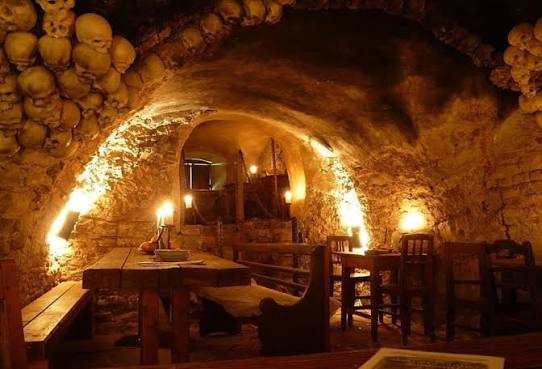
Technology has already changed restaurants in ways that would have seemed impossible years ago. We can make reservations online, scan QR codes for menus, order at kiosks, pay with our phones, and get dinner delivered without talking to anyone. The COVID-19 pandemic pushed many of these changes forward much faster. Restaurants had to rely on takeout orders, delivery, outdoor dining, and contactless service to survive. Even after restrictions ended, many customers kept using these options because they were now convenient and familiar. Communities. When familiar neighborhood businesses closed, people did not only lose places to eat. Workers lost jobs, families lost income, and neighborhoods lost gathering places that had been part of their identity. Many customers tried to help by purchasing takeout, buying gift cards, and leaving larger tips. That difficult period reminded us that supporting a local restaurant often means supporting real families who live and work in the same community.
Artificial intelligence will play an even bigger role in the future. Restaurants might use it to predict what customers will order, suggest meals based on earlier decisions, manage supplies, create promotions, test recipes, and cut down on waste. This could make dining more convenient and personal, but restaurants will also need to respect people’s privacy. No one wants to feel watched just for ordering the same dessert three times. Honestly, sometimes that dessert is just that good. Automation may become more common, too. Robots and automated systems could help take orders, carry food, clean tables, or assist in the kitchen. These tools speed things up and make some jobs easier, but technology cannot fully replace hospitality. A machine can deliver a plate, but it cannot rival the friendliness of a kind greeting, a thoughtful server, or someone who notices when a customer needs a little extra care.
The Restaurant of the Future
The restaurant of the future might not always have a traditional dining room. Ghost kitchens, which make food only for delivery or pickup, are already changing what it means to run a restaurant. Some businesses may exist mostly online, with customers finding them through an app instead of a sign outside. Health and sustainability will also shape how we eat out in the future. Customers are paying more attention to ingredients, nutrition, allergies, food sources, and the environment. Restaurants will likely keep adding more vegetarian, vegan, gluten-free, allergy-friendly, and vegetarian options. Local ingredients, better packaging, smaller portions, and clear nutrition info may become even more important. to address. Smarter inventory systems help businesses predict demand, order the right amount of food, and avoid throwing away so much. In the future, a great restaurant may be judged not only by how delicious its food is, but also by how responsibly it treats its workers, customers, ingredients, and the environment.
We might even see more interactive and themed restaurants that mix food with entertainment, virtual reality, or personal experiences. The possibilities are promising, but I hope the human side of dining never goes away. Another big question is affordability. New technology and creative dining ideas can be exciting, but eating out still needs to be possible for everyone. Families, students, workers, and older adults all have varied budgets and needs. The restaurants that do well may be the ones that balance new ideas with value. Customers will like speed and convenience, but they will also keep looking for fair portions, honest prices, and food that feels worth the cost.
Menus might also become more flexible. Customers could adjust ingredients, portion sizes, spice levels, or nutrition goals before ordering. Someone with allergies might get clearer warnings, while others could get suggestions that fit a vegetarian diet or fitness plan. If used well, technology could help more people enjoy meals safely and confidently. Still, restaurants need to make sure personalization doesn’t take away the surprise and creativity that make trying new dishes fun.
Conclusion
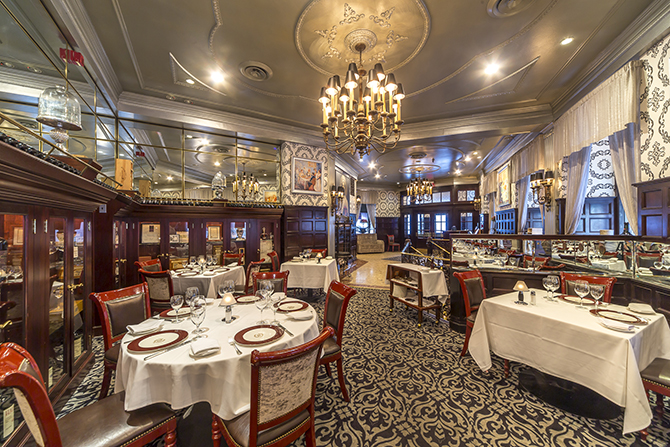
Restaurants started because people needed prepared food outside the home, but they lasted because people wanted more. They wanted comfort, choice, and connection. From ancient Roman food counters and Song Dynasty dining houses to French broth shops, American diners, fast-food chains, and modern delivery kitchens, restaurants have always changed with society. The future will make eating out faster, smarter, more eco-friendly, and more personal. We may order in new ways, eat meals made with AI help, or get our food from a robot. Still, the best restaurants will always be the ones that make people feel welcome.
In the end, a restaurant is more than simply a place where food is served. It is where recollections happen. It is where people laugh, talk, celebrate, reconnect, and sometimes find comfort after a hard day. Technology may change almost everything about the experience, but it cannot change why we return: good food has always brought people together. That is the real story of restaurants. Their buildings, menus, and technology will keep changing, as they have for centuries, but their heart will always be about people. Whether we share a meal in a small family café, pick up dinner after a long day, or try a futuristic dining experience, we are part of a tradition older than we may think. Restaurants remind us that food can satisfy hunger, preserve culture, create opportunity, and turn a common moment into a lasting memory. That mutual experience is what makes dining out feel special.
 Realizations with Tiffany K. Charles