
“Trick or Treat smell my feet. Give me something good to eat! If you don’t, I don’t care! I’ll pull down your underwear!!!!!” Another Halloween has come to us, and yet it seems like we need more of it all year round. If you never knew the history of the holiday or its origin story, then today is your lucky. Outside of the folklore and horror films that seem to be only targeted for this one holiday, the history of it will have you flabbergasted, and the rituals that we still perform in the name of good spirits and fun are mind-blowing.
Halloween captivates with its blend of eerie charm and festive spirit, transforming once-darkened streets into lively parades of ghouls, witches, and mischievous characters. While today’s Halloween is marked by costume parties, trick-or-treating, and pumpkin carvings, the holiday’s origins trace back centuries, entwining ancient rituals, religious traditions, and evolving cultural practices that ultimately shaped it into the celebration we enjoy each October.
Celebrated on October 31, Halloween has become a defining event in Western culture, known for its haunted houses, spooky attire, and community festivities. However, its transformation from the solemn Celtic festival of Samhain to the vibrant, commercialized holiday we know today tells a story of cultural fusion, showcasing the influence of ancient customs and religious beliefs woven into modern traditions.
Alright, guys, let’s get ready for a night filled with superstitions, horror movies to the max, a ridiculous amount of processed sugar, and costume parties. Get them candy bowls ready and put that jack-o-lantern on the sidewalk to light thy path home from all the ghouls and goblins that will run amuck tonight. For tonight, it is all Hallows Eve, and I put a spell on you…… And now you’re mine!
The Origins: Samhain – The Celtic Festival of the Dead
The roots of Halloween can be traced back over 2,000 years to the ancient Celtic festival of Samhain (pronounced “sow-in”) in what is now Ireland, the United Kingdom, and northern France. For the Celts, November 1 marked the beginning of the new year and the onset of winter—a time associated with death. They believed that on the night before the new year, the boundary between the worlds of the living and the dead blurred, and spirits could roam the earth.
On October 31, the Celts would light massive bonfires and don costumes made of animal skins to ward off evil spirits. This night of supernatural activity was seen as a chance to commune with ancestors and seek guidance for the dark months ahead. These early gatherings—complete with offerings to gods, storytelling, and foretelling—are the origins of Halloween as we know it.
The Influence of Christianity: All Saints’ Day and All Souls’ Day
When Christianity spread through Celtic lands by the 8th century, Pope Gregory III designated November 1 as All Saints’ Day (also known as All Hallows’ Day), a day to honor saints and martyrs. October 31 thus became All Hallows’ Eve, later shortened to “Halloween.” This adaptation allowed Christian converts to retain elements of Samhain by folding them into a new religious context. Soon after, November 2 became All Souls’ Day, a day to pray for the dead, strengthening the theme of remembrance and spiritual reflection.
Celebrations of All Saints’ Day and All Souls’ Day retained many Celtic traditions, including costumes, bonfires, and parades. Still, the focus shifted from honoring the dead to venerating saints and praying for souls in purgatory. This blending of Celtic and Christian traditions laid the groundwork for Halloween as both a secular and spiritual holiday.
Halloween Comes to America: Colonial Customs and Superstitions
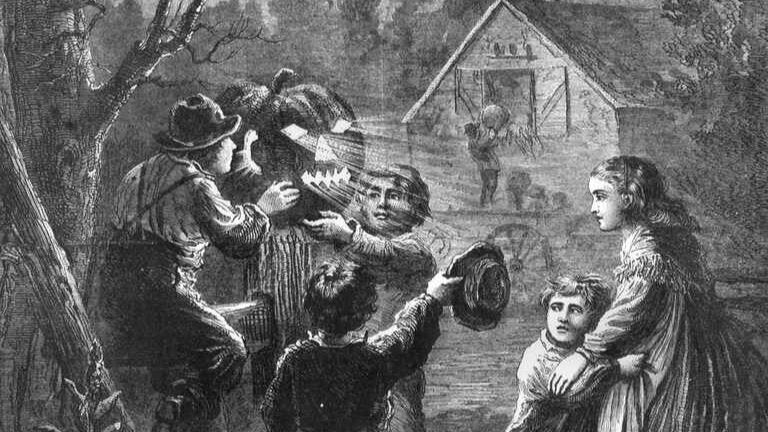
As Irish and Scottish immigrants brought their Halloween traditions to America in the 19th century, the holiday began to take on new life. Colonial Halloween festivities included ghost stories, singing, dancing, and fortune-telling. By the mid-1800s, autumn “play parties” became a favorite in rural areas, where neighbors would gather to share stories of the dead, make mischief, and tell each other’s fortunes.
As communities diversified, Halloween became more secular, with superstitions, pranks, and festive gatherings taking center stage. By the 1920s and 1930s, Halloween had evolved into a community-centered holiday with costume parades, haunted houses, and games. During this time, however, a wave of mischievous pranks also emerged, causing property damage and leading communities to find ways to tame Halloween’s wild side.
The Rise of Trick-or-Treating
In response to the rowdy behavior associated with Halloween, a tradition re-emerged in America that may have roots in the European practice of “mumming” or “souling,” where people would go door-to-door asking for food in exchange for songs or prayers. Communities began to encourage “trick-or-treating” in the 1930s and 1940s, promoting it as a family-friendly activity and a way to keep Halloween orderly.
World War II put a temporary hold on the tradition due to sugar rationing, but trick-or-treating surged in popularity after the war ended. By the 1950s, it had become a staple of American Halloween, with children donning costumes and visiting homes for candy, transforming neighborhoods into playgrounds for young ghosts, goblins, and superheroes.
The Modern Halloween: A Global Phenomenon
Today, Halloween has grown far beyond its Celtic and Christian origins, becoming a global celebration enjoyed by people of all ages. In the United States alone, Halloween is a billion-dollar industry, with costumes, decorations, candy, and haunted attractions driving the economy each October.
Although many countries have adopted Halloween customs, they have also adapted the holiday in ways that reflect their cultural values. In Japan, for example, Halloween has become a popular time for elaborate costumes and parades, while in Mexico, Dia de los Muertos (Day of the Dead) is celebrated with colorful altars, sugar skulls, and festivities honoring deceased loved ones.
The Enduring Spirit of Halloween
The history of Halloween is a testament to the human fascination with death, the supernatural, and the unknown. Each culture and generation that has celebrated Halloween has infused it with new customs, making it a holiday that is ever-evolving yet deeply rooted in the past.
So, as you carve your jack-o’-lanterns and don your costumes this year, remember that Halloween is more than just a night of frights and fun. It is a celebration of ancient beliefs, a tribute to the spirits, and a modern ritual that unites us with people of the past who found a way to dance with the unknown—and live to tell the tale.
************************FUN FACT*********************************
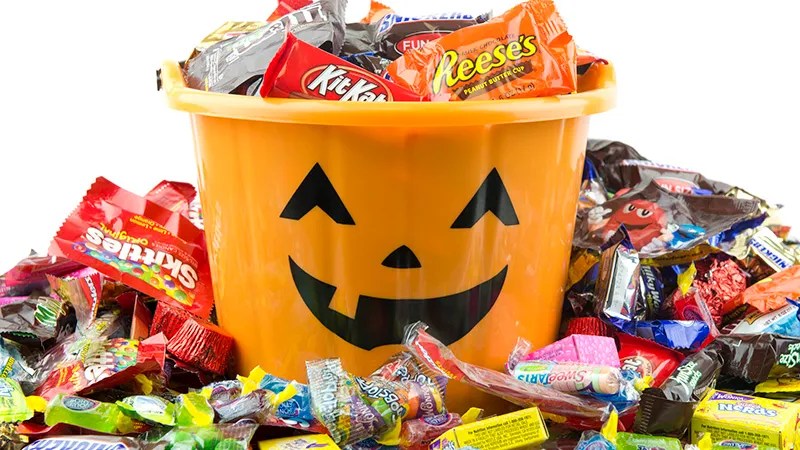
The tradition of giving out candy on Halloween has its roots in ancient Celtic festivals, particularly Samhain. During Samhain, people believed that spirits roamed the earth, so they left out food and treats to appease wandering ghosts and ensure a safe winter. When Halloween later became popular in America, people began handing out sweets to children dressed as spooky figures to continue the idea of appeasing “spirits.” By the 1950s, candy companies saw the perfect opportunity and popularized the idea of handing out candies—making trick-or-treating the sweet tradition we know today!
++++++++++++++++++++++++++ MOVIE TO WATCH++++++++++++++++++++++++++++
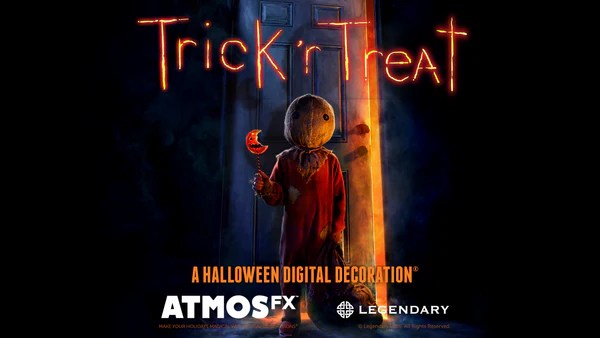
A fun fact about the 2007 movie Trick ‘r Treat is that it almost went straight to DVD! Despite strong initial buzz and a dedicated fan base, the film spent two years in distribution limbo and didn’t receive a theatrical release. However, once it did hit DVD in 2009, it quickly gained a cult following, especially for its unique format, which interweaves four Halloween-themed stories with a darkly comedic edge. Now, Trick ‘r Treat is considered a Halloween classic, and its main character, Sam, has become a modern horror icon!


That was a fun read, I also really like that movie Trick ‘r Treat.
LikeLike