
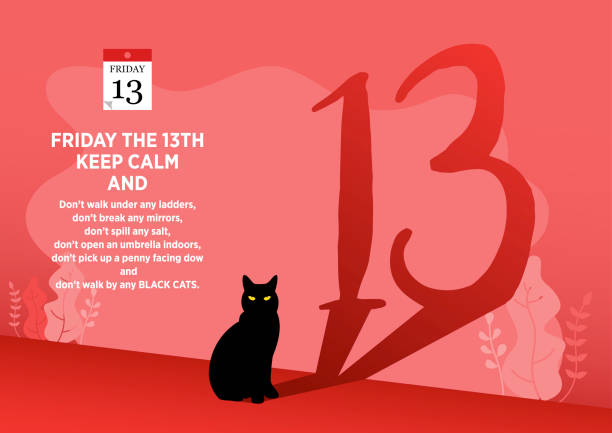
It’s made its way to us once more, the one day that we get to celebrate all things spooky and scary and, well….. superstitious outside of Halloween….. Friday the 13th! No, it does not officially start the Halloween season…. Or does it? We’d be lucky if we got more than one day (In the 2010s, there were three Friday the 13ths in 2012 and 2015, and two in 2013, 2017, 2018, and 2019. In the 2020s, there were two Friday the 13ths in 2020 and 2023. There will also be three Friday the 13ths in 2026 and two in 2024 and 2029.) I wonder…..
For centuries, Friday the 13th has been surrounded by superstition, often linked to bad luck and fear. This date has captured the imagination of people across various cultures, evolving from a simple day on the calendar to one marked by dread and intrigue. But what lies behind this association with misfortune? The roots of its dark reputation trace back through history, blending ancient beliefs and modern interpretations.
The idea of Friday the 13th as an unlucky day has become a global phenomenon deeply rooted in popular culture and media. From its historical origins to its portrayal in films, the day has evolved into a symbol of bad luck. Whether seen as a harbinger of ominous events or simply a superstition, Friday the 13th continues to stir both curiosity and caution, maintaining its grip on the global imagination.
Here’s a quick cliff note on the history of this strange and very much welcomed unofficial holiday. In this blog bite, you will understand why you have a strange and peculiar attraction to this day. So get your popcorn, your booze, and that special-smelling “cigarette,” and turn off all your lights as you learn the history of Friday the 13th…….

Origins of Superstition: The Number 13
The superstition surrounding Friday the 13th is a blend of religious, cultural, and historical influences. To understand the origin, it’s essential to consider the significance of both the number 13 and the day Friday separately.
The Number 13:The number 13 has long been considered unlucky. In many cultures, the number 12 is associated with completeness and order—12 months in a year, 12 zodiac signs, 12 apostles in Christianity, etc. The number 13, by contrast, is seen as irregular and disruptive. One of the earliest recorded instances of 13 being seen as unlucky comes from Norse mythology. According to legend, the trickster god Loki arrived uninvited as the 13th guest to a banquet in Valhalla, causing the death of the beloved god Balder. This event led to chaos, giving birth to the notion that 13 is a number linked with misfortune.
Friday’s Unlucky Reputation: In many cultures, Friday was traditionally considered an unlucky day. For Christians, the most notable association is Good Friday, the day Jesus was crucified, which gives Friday a solemn and mournful character. Some medieval texts suggest that starting a journey or conducting business on a Friday was terrible luck. Additionally, in Britain, Friday was known as “Hangman’s Day,” the day on which public executions were typically carried out. When these two elements—Friday and the number 13—were combined, the superstition became even more potent.
The Birth of Friday the 13th
Though both Friday and the number 13 were regarded with suspicion, the combination of the two into a singular day of ill omen gained widespread attention in the 19th century. One of the first significant references to Friday the 13th as a day of bad luck appears in Henry Sutherland Edwards’ biography of Italian composer Gioachino Rossini. Rossini, who died on a Friday the 13th in 1868, was reportedly always wary of Fridays and the number 13.

The superstition indeed took off in the 20th century, thanks in part to popular culture and media. Thomas W. Lawson’s 1907 novel Friday, the Thirteenth was pivotal in popularizing the notion of this date being unlucky. The book tells the story of a stockbroker who uses superstition around the day to cause chaos on Wall Street. This novel tapped into the growing cultural fascination with the day, blending finance, fear, and misfortune into a thrilling tale.
The Rise of Friday the 13th as a Global Phenomenon
As with many superstitions, Friday the 13th’s notoriety only grew with time, mainly as mass media and communication developed. By the mid-20th century, the date was a well-known symbol of bad luck in both Europe and North America. Psychological research even coined the term friggatriskaidekaphobia, the irrational fear of Friday the 13th. However, it was the rise of the horror movie industry in the late 20th century that genuinely cemented Friday the 13th as a worldwide phenomenon. In 1980, the release of the film Friday the 13th not only capitalized on the date’s reputation but also created a multi-million dollar franchise.
Friday the 13th in Pop Culture: The Movie Franchise
Hollywood has long been skilled at monetizing superstition and fear, and Friday the 13th is no exception. The horror genre thrives on playing with deep-seated fears, and Friday the 13th has become one of its most reliable tropes. By using a day associated with bad luck, studios can tap into the collective anxiety surrounding the date, turning it into box office gold.
The Friday the 13th franchise began as a low-budget horror film directed by Sean S. Cunningham, inspired by the success of Halloween. Released on May 9, 1980, the film told the story of a group of camp counselors being stalked and murdered by an unseen killer. Although the original movie had little to do with the actual Superstition of Friday the 13th, its title and release date were shrewd marketing decisions that tied the film to the day’s reputation.
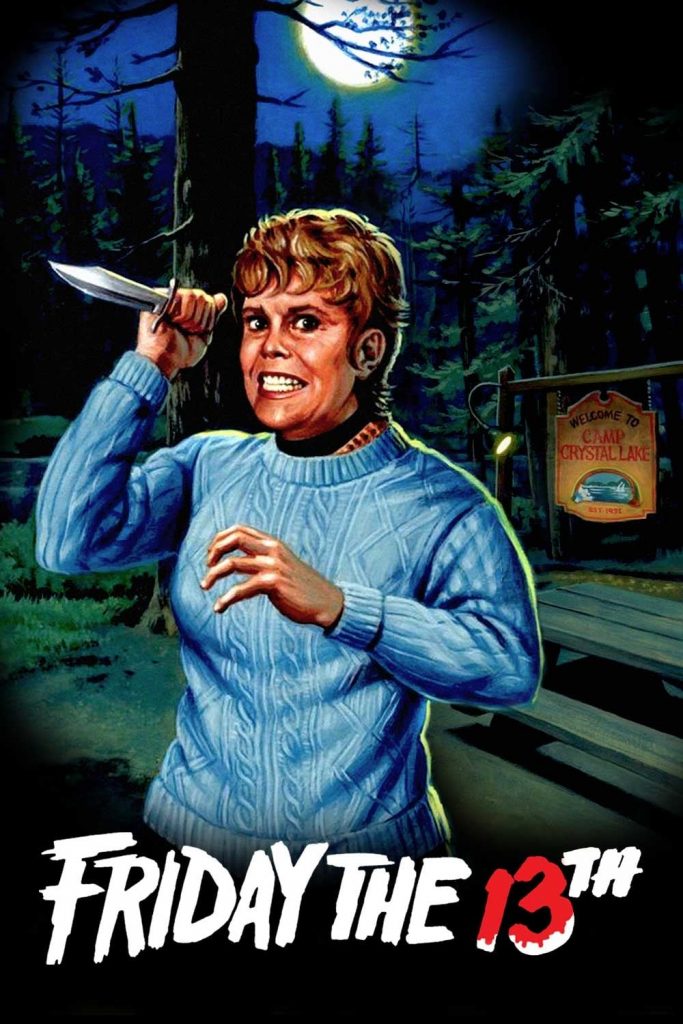
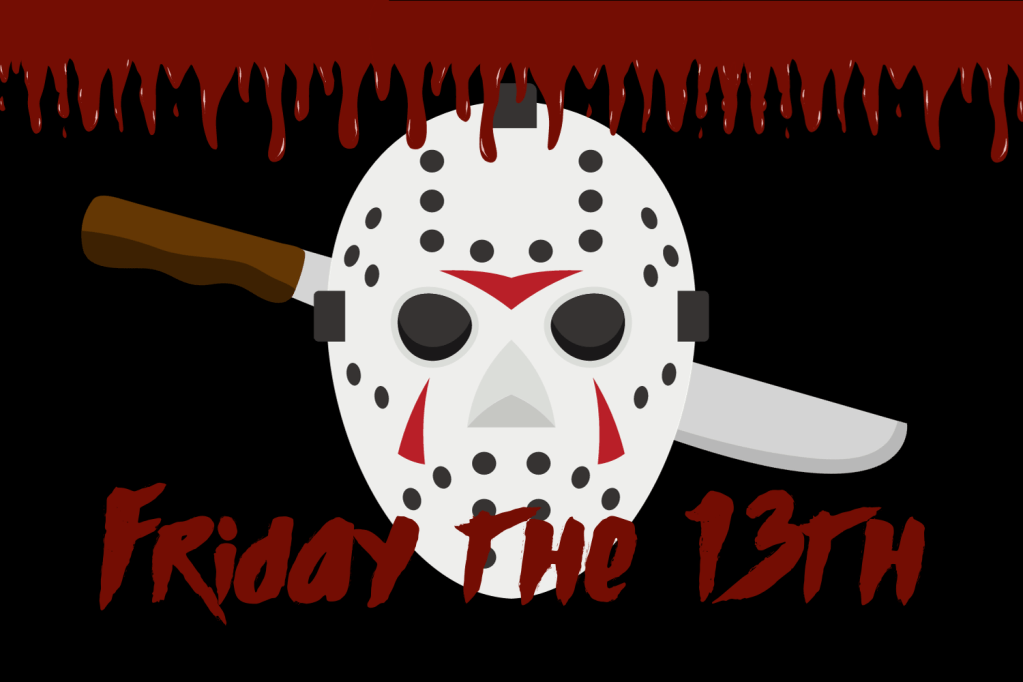
The film’s massive success—earning nearly $60 million on a budget of less than $1 million—spawned an entire franchise, complete with sequels, merchandise, and even crossovers with other horror franchises, such as Freddy vs. Jason. The series introduced the now-iconic horror character Jason Voorhees, whose hockey mask and machete have become symbols of fear.
The franchise’s global reach continues to be immense. Over a dozen films, several comic books, video games, and fan conventions have expanded the Friday the 13th universe. The films have grossed over $400 million worldwide, with studios constantly revisiting and rebooting the franchise to cash in on the brand’s longevity.
The Modern Legacy of Friday the 13th
In the modern era, Friday the 13th has transcended its origins as a simple superstition to become a cornerstone of global popular culture. It has not only influenced the film industry but also left its mark on television, literature, and even music. For some, the day is merely an interesting quirk of the calendar. For others, it’s an opportunity to immerse themselves in spooky fun, whether by watching horror movies, attending themed events, or simply enjoying the eerie atmosphere.
This transformation has made us all part of a larger narrative, where Friday the 13th is not just a date but a cultural icon. While fear and caution remain associated with Friday the 13th for some, the date has evolved into something much more significant: a blend of tradition, pop culture, and commerce, ensuring that Friday the 13th remains one of the most fascinating dates on the calendar.
Final Thoughts
Whether you view Friday the 13th as a day of misfortune or simply another date on the calendar, its impact on our culture is undeniable. From ancient superstitions to the modern world of horror films, this day has captured our imagination. Its mix of historical lore and entertainment value ensures that Friday the 13th remains a subject of fascination. When the 13th falls on a Friday, will you approach it with caution or treat it like any other day? Regardless, the legend persists, keeping us intrigued.
Initially rooted in superstition, Friday the 13th has evolved far beyond its beginnings. Once considered a day of bad luck, it has since become a cultural phenomenon, symbolizing both fear and fun. The film industry, in particular, has played a significant role in transforming this date into a highly profitable and enduring tradition, blending suspense with entertainment to keep audiences hooked. So when this day rolls around….. You know what to do….. Enjoy !!!!!!
 Realizations with Tiffany K. Charles
I really like this blog, the history behind Friday the 13th. I will be enjoying my day and watching some Friday the 13th movies.
LikeLike