
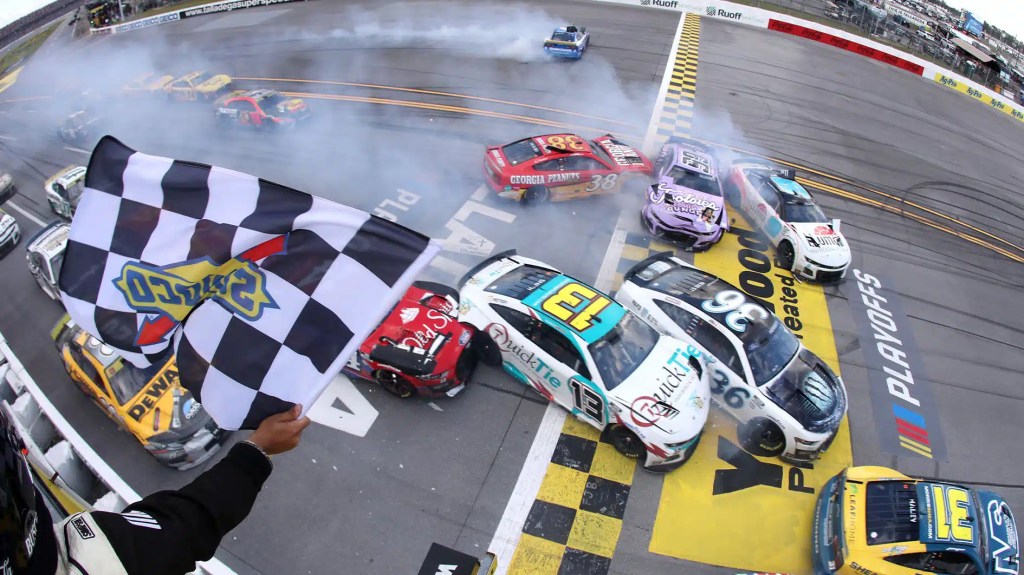
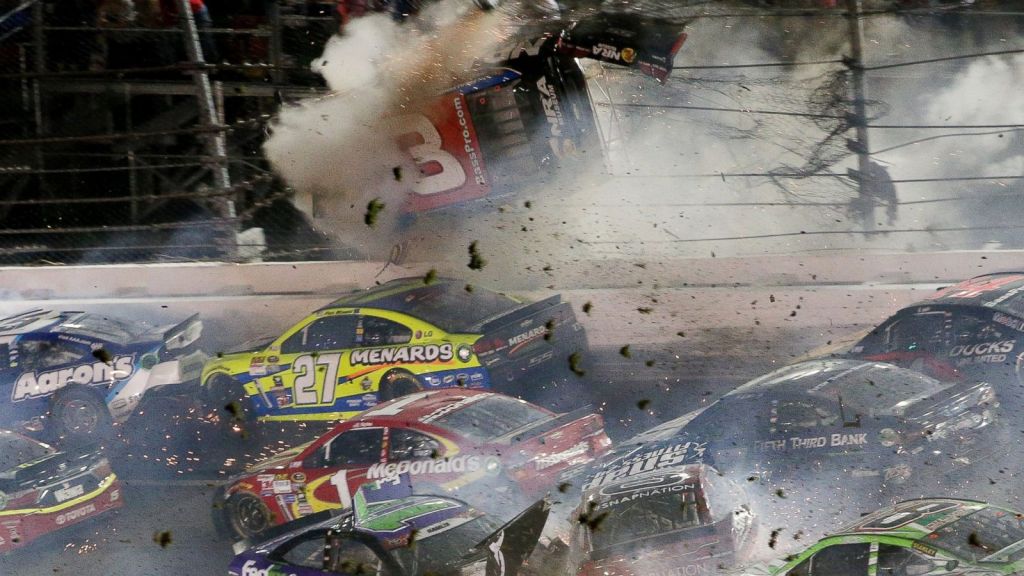
Alright, y’all, it’s time to shake and bake Ricky Bobby style and get into the fantastic culture of NASCAR: fast driving, specially designed tracks, and never-ending beer runs. Oh, and let’s not forget the possible chance of witnessing a crash. Hey, some fans live for that moment. Some live for the roar and what seems to be endless laps and, hopefully, great weather. If you have ever been to at least one NASCAR race, then you know the feeling…. The need for speed! The drivers, their teams, and the beautiful victory of being the supreme driver.
NASCAR, the National Association for Stock Car Auto Racing, is one of the most popular motorsports in the United States, known for its high-speed races, roaring engines, and loyal fan base. But NASCAR’s history is much richer than just cars going around an oval track. It is a sport deeply rooted in American culture, born from the ingenuity of bootleggers during Prohibition, and evolved into a multi-billion-dollar industry. Let’s explore the fascinating journey of NASCAR, its origin, the rise of women drivers, and what the future might hold for this iconic sport.
Few sports can match the intensity of NASCAR when it comes to adrenaline-pumping, high-speed excitement. The National Association for Stock Car Auto Racing, or NASCAR, is more than just a series of races; it’s a cultural phenomenon that has captivated millions of fans for decades. From its origins on the sandy beaches of Daytona to the roaring superspeedways that dominate today’s racing calendar, NASCAR is a celebration of speed, skill, and Southern hospitality.
In this eighth installment of The History of Sports 101, let’s examine what makes NASCAR unique. We will understand how it started, how it evolved, and where the sport is going, as well as the drivers who took it to another level and those who are taking it beyond the veil. With that being said, it’s time to hit the Atlanta Motor Speedway and meet up with the pit crew. We have to stop and pick up some franks, burgers, chicken, and steaks for the grill, some beer, tequila, and water, and we need the RV for the tailgating party and a place to crash when the laps run well into late night!
The Origins: From Bootlegging to Stock Car Racing
The roots of NASCAR can be traced back to the 1920s and 1930s, during the Prohibition era in the United States. Bootleggers, or moonshine runners, needed fast, agile cars to outrun law enforcement as they transported illegal alcohol across state lines. These drivers began modifying their vehicles to increase speed and handling, which eventually led to informal races to determine who had the fastest car and the best driving skills.
In the post-Prohibition era, these races continued, but now as a form of entertainment rather than necessity. Recognizing the potential for a new form of motorsport, Bill France Sr., a mechanic and auto shop owner from Daytona Beach, Florida, saw an opportunity to organize and formalize these races. On February 21, 1948, France founded NASCAR, setting the stage for stock car racing to become a national phenomenon.
The inaugural NASCAR race was held at Daytona Beach in 1948, and from there, the sport quickly grew in popularity. The first NASCAR “Strictly Stock” series race, which would later become the NASCAR Cup Series, took place in 1949. The rest, as they say, is history. Over the years, NASCAR evolved, becoming a staple of American motorsports and expanding its fan base beyond the Southern United States to the entire country and even internationally.
The Structure of NASCAR: Divisions and Series
NASCAR is organized into several different series, each offering unique experiences for both drivers and fans:
- NASCAR Cup Series: This is the premier division of NASCAR and features the most skilled drivers and advanced stock cars. The Cup Series is where legends are made, with races such as the Daytona 500, the Coca-Cola 600, and the Southern 500 forming the backbone of the NASCAR calendar. The series is known for its grueling schedule, with over 30 races spread across various tracks, from superspeedways to road courses.
- NASCAR Xfinity Series: Often considered a stepping stone to the Cup Series, the Xfinity Series is the second-highest level of competition in NASCAR. It features a mix of up-and-coming talent and veteran drivers, providing an excellent platform for young drivers to hone their skills before making the leap to the Cup Series.
- NASCAR Craftsman Truck Series: Unique for its use of pickup trucks instead of cars, the Craftsman Truck Series is known for its aggressive racing style and close finishes. The series provides a different type of challenge for drivers and has its own dedicated fan base.
- Regional and International Series: NASCAR also oversees several regional series, such as the ARCA Menards Series, and international series, like the NASCAR Pinty’s Series in Canada, the NASCAR Whelen Euro Series in Europe, and the NASCAR Mexico Series. These series help develop local talent and expand NASCAR’s reach globally.
The Tracks: A Diverse Challenge
One of the elements that make NASCAR so captivating is the variety of tracks on the schedule. Unlike other motorsports that might focus on a single type of track, NASCAR offers a wide array:
Intermediate Tracks: Tracks like Charlotte Motor Speedway and Kansas Speedway are considered the backbone of the NASCAR schedule. They offer a mix of speed and strategy that tests drivers’ endurance and teams’ tactical acumen.
Superspeedways: These massive tracks, like Daytona International Speedway and Talladega Superspeedway, are known for their high speeds and dramatic pack racing, where cars run inches apart at speeds exceeding 200 mph.
Short Tracks: Smaller, more intimate venues such as Bristol Motor Speedway and Martinsville Speedway offer close-quarter racing and frequent contact between cars, often resulting in exciting finishes and heated rivalries.
Road Courses: Tracks like Watkins Glen International and Circuit of The Americas add a twist to the typical NASCAR oval, featuring left and right turns, elevation changes, and a unique challenge for drivers used to oval racing.
The Cars: Engineering Marvels on Four Wheels
NASCAR vehicles, particularly in the Cup Series, are engineering marvels. They may look like everyday sedans, but beneath the surface, they are highly specialized machines designed for performance, safety, and speed. The cars are built with a focus on power, with V8 engines capable of producing over 750 horsepower. Each car must adhere to strict NASCAR regulations, ensuring a level playing field while allowing teams enough flexibility to innovate and gain a competitive edge.
The Drivers: Heroes on the Track
NASCAR drivers are a special breed, revered not only for their skill behind the wheel but also for their personalities and relatability. Legends like Richard Petty, Dale Earnhardt, Jeff Gordon, and Jimmie Johnson have become household names, inspiring new generations of drivers and fans alike. Today’s stars, such as Chase Elliott, Kyle Larson, Denny Hamlin, and Bubba Wallace, continue to push the envelope, bringing fresh energy and diverse talent to the sport.
The Fans: The Heart of NASCAR
What truly sets NASCAR apart is its passionate fan base. NASCAR fans are some of the most dedicated in all of sports, traveling across the country to support their favorite drivers and teams. The sport’s Southern roots are still very much alive, with tailgating, camping, and family-friendly events being a significant part of the NASCAR experience. The “infield” culture at many tracks is legendary, offering a party-like atmosphere where fans can get up close to the action.
The Rise of Women in NASCAR
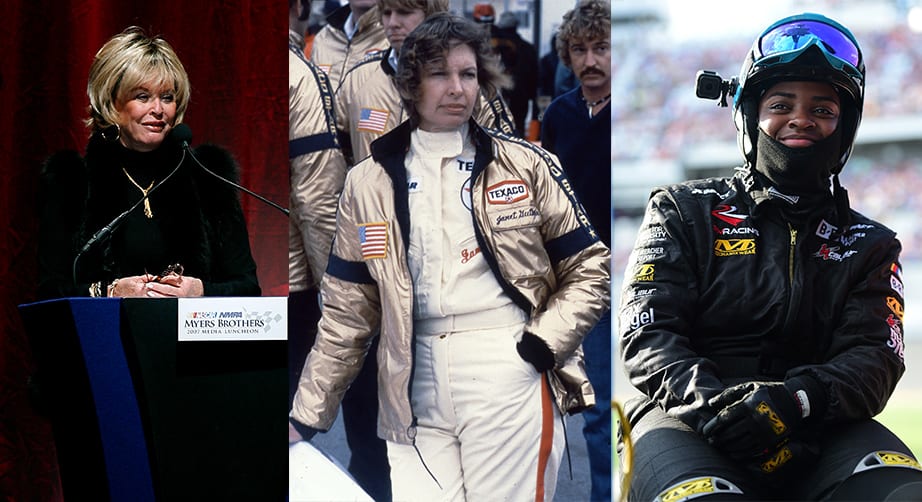
For much of its history, NASCAR was predominantly a male-dominated sport, but the landscape has been changing. Women have been making inroads into the sport since the 1940s when Sara Christian became the first woman to compete in a NASCAR race. In recent decades, the presence of women drivers has increased, with pioneers like Janet Guthrie, who became the first woman to compete in the Daytona 500 and the Indianapolis 500 in the 1970s, paving the way.
Danica Patrick is perhaps the most well-known female driver in NASCAR history. She made her NASCAR debut in 2010 and quickly became a fan favorite. In 2013, Patrick made history by becoming the first woman to win the pole position at the Daytona 500. Her success has inspired a new generation of female drivers, including Natalie Decker, Hailie Deegan, and Toni Breidinger, who are making names for themselves in the sport’s various series.
The Future of NASCAR: Evolution and Innovation
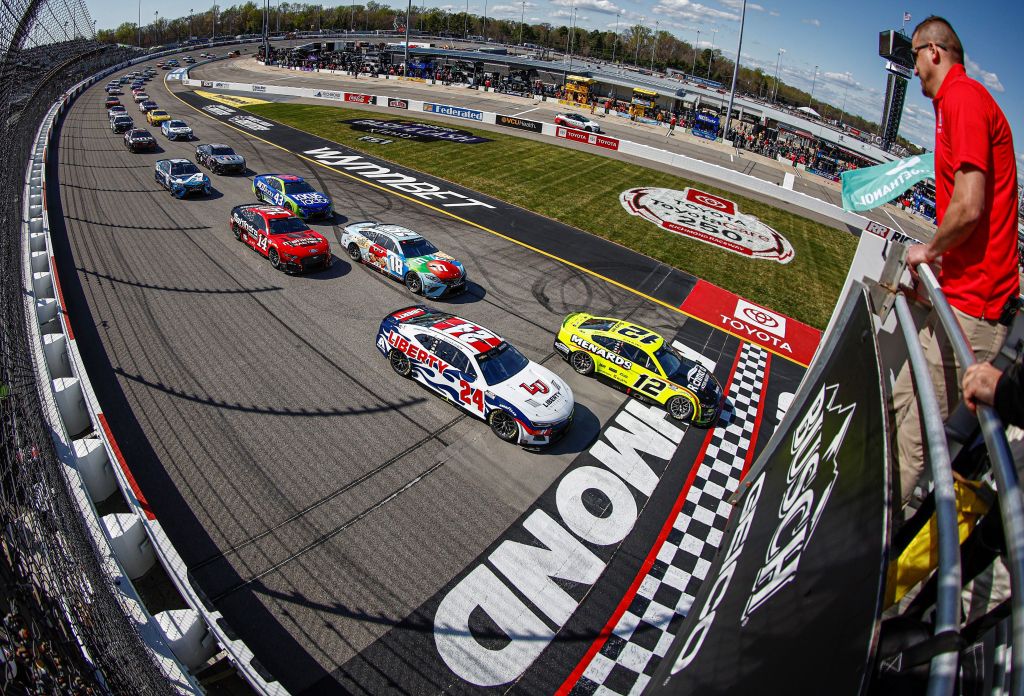
NASCAR faces several challenges and opportunities as it looks to the future. The sport has taken steps to appeal to a broader audience, including younger fans and more diverse demographics. This includes embracing new technologies like virtual reality and esports, enhancing fan engagement through social media, and diversifying its race locations to reach new markets. The introduction of the Next Gen car in 2022 marked a significant shift in NASCAR’s approach.
The sport now focuses on cost containment, closer competition, and improved safety. It is also exploring alternative energy sources, including hybrid and electric vehicles, to align with global sustainability trends. As NASCAR continues to evolve, the role of women in the sport is expected to grow. With increased support and development programs for young female drivers, the sport is committed to fostering a more inclusive environment.
Final Thoughts
From its roots in moonshine running to becoming a major American sport, NASCAR has transformed significantly over the years. While the sport continues to grow, it stays true to its rich heritage by embracing innovation and inclusivity. The emergence of women drivers, along with a focus on sustainability and technology, ensures an exciting and dynamic future for NASCAR.
The journey of NASCAR is ongoing, and as it adapts to the times, its legacy as a distinctively American motorsport remains strong. Whether you’re a seasoned fan or new to the sport, there’s never been a better time to dive into the world of NASCAR. It’s more than just a racing series—it’s a community, a tradition, and a way of life for millions. Whether you’re captivated by the high-speed action, the strategic depth, or the deep history, NASCAR has something for everyone. As the sport evolves, one thing is sure: the roar of the engines, the smell of burnt rubber, and the cheers of the fans will continue to define NASCAR for generations to come. So, strap in and enjoy the thrill—because in NASCAR, the race never stops.
What do you think the future holds for NASCAR? Will it continue to evolve and maintain its place in the American sports landscape, or will new challenges arise? Share your thoughts in the comments!
 Realizations with Tiffany K. Charles
Great article, I like the bootlegger history.
LikeLiked by 1 person