
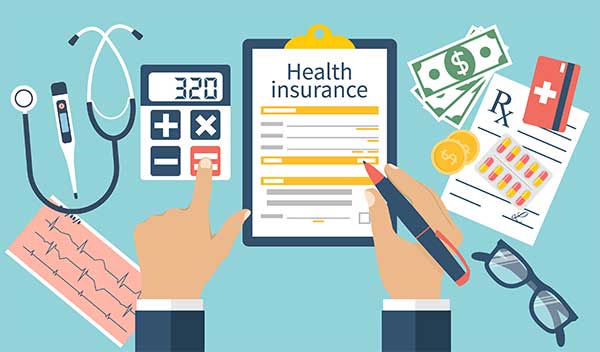
Anything is bound to happen, right? So when you have a significant boo-boo and you need emergency care, there are only a few questions you should ask yourself. How much am I paying out of pocket? Is this covered in my benefits? Did I pay my premium? And last but still significant, do I even have health insurance? Life is already a super hard struggle, and most of us really are trying to just keep up with the cost of living. Every single day, many encounter serious accidents, and while we hope they are something that can heal on their own, some of those accidents require some form of medical attention. That will cost you money!
The health insurance industry in America is a vast and intricate system that plays a crucial role in the lives of millions of people. With its complexities and ever-evolving nature, understanding this industry is essential for anyone seeking to make informed decisions about their health coverage. But do you really need health insurance in the first place? Is it really worth paying a premium every month just to still have to meet your out-of-pocket expenses before your policy can even perform a benefit?
Health insurance is a critical component of the modern healthcare system, providing financial protection against the high costs of medical care. Significant milestones and transformations have marked its journey from inception to the present day. However, is it all a sham? Why is Universal Healthcare such a scary thing to talk about? It is wrong to have free medical care should you need it. If you never need to see a medical professional, is it better to have it just in case?
I’m not trying to convince you to get coverage right now, but I want to open your mind to the many questions that you didn’t even know you had about it. This blog explores the origins of health insurance, its evolution, and its impact on society. e will also explore the structure of the health insurance market, its challenges, and what the future might hold. It’s time for your follow-up appointment, and you know you have a co-pay of $50 just to get the results. You might even have to get an RX for that rash, too. Good RX can help with the prescription, but that co-pay, though……. That’s all on you, my friend. I’ll call you an Uber; the appointment is at 3:15PM.

Origins of Health Insurance
The concept of health insurance dates back to ancient times, with rudimentary forms of mutual aid societies and guilds providing some degree of financial support for members during illness. However, the first modern health insurance plans began to take shape in the late 19th and early 20th centuries.
Early Beginnings
In 1883, Germany, under Chancellor Otto von Bismarck, introduced the first national health insurance system. This system was designed to provide sickness insurance to industrial workers and was funded by contributions from both employers and employees.
Bismarck’s model aimed to quell social unrest and improve public health, setting a precedent for other countries’ health insurance systems. This system was designed to provide sickness insurance to industrial workers and was funded by contributions from both employers and employees.
The first and oldest health insurance company in the United States is the Massachusetts Health Insurance Company of Boston, founded in 1847. It was established to provide health coverage to workers, particularly those in the maritime and railroad industries. This company marked the beginning of the health insurance industry in America, setting a precedent for future health insurance models by offering a way to manage the financial risks associated with illness and injury. The company’s inception was a significant step towards the development of modern health insurance systems.

The First Full Coverage: Blue Cross and Blue Shield
In the United States, the Great Depression spurred the development of health insurance. Hospitals faced financial difficulties as patients were unable to pay for care, leading to the creation of hospital insurance plans. In 1929, the Baylor University Hospital in Dallas, Texas, introduced a prepaid hospital plan for teachers, which eventually evolved into Blue Cross. This plan allowed members to pay a monthly fee in exchange for hospital coverage.
Blue Shield emerged in the 1930s, initially offering coverage for physician services. By the 1940s, Blue Cross and Blue Shield had spread nationwide, providing comprehensive coverage for hospital and medical services.
Post-War Expansion
After World War II, employer-sponsored health insurance became more prevalent in the United States. The wage freeze during the war led employers to offer health benefits as a way to attract and retain workers. This period also saw the introduction of Medicare and Medicaid in 1965, providing government-funded health insurance for the elderly and low-income individuals.
Challenges in the Health Insurance Industry
High Costs
One of the most significant challenges facing the American health insurance industry is the high cost of healthcare. According to the Centers for Medicare & Medicaid Services (CMS), healthcare spending in the U.S. reached $4.1 trillion in 2020, accounting for nearly 20% of the Gross Domestic Product (GDP). These costs are often passed on to consumers in the form of high premiums, deductibles, and out-of-pocket expenses.
Coverage Gaps
Despite the ACA’s efforts, millions of Americans remain uninsured or underinsured. Factors contributing to this include the refusal of some states to expand Medicaid, high premium costs, and complexities in the insurance marketplace. The Commonwealth Fund reported in 2020 that 12.5% of adults were uninsured, and many more were underinsured.
Administrative Complexity
The administrative complexity of the health insurance system adds another layer of difficulty for both providers and consumers. The system involves a plethora of paperwork, coding requirements, and billing processes, leading to inefficiencies and increased costs. Patients often need clarification when navigating coverage details, understanding benefits, and dealing with claim denials.

Evolution of Health Insurance
Health insurance underwent significant changes throughout the 20th century, driven by economic, political, and social factors.
The Managed Care Revolution
The 1980s and 1990s witnessed the rise of managed care organizations (MCOs) such as Health Maintenance Organizations (HMOs) and Preferred Provider Organizations (PPOs). These organizations aimed to control healthcare costs by emphasizing preventive care and negotiating lower rates with providers. Managed care fundamentally changed the landscape of health insurance, introducing network-based coverage and utilization review processes.
Policy Reforms
Policy reforms will also shape the future of health insurance. Potential areas of reform include the introduction of a public option, further expansion of Medicaid, and measures to control prescription drug prices. Policymakers continue to debate various approaches to achieving universal coverage and affordability.
Consumer-Centric Models
There is a growing trend towards consumer-centric models of care and insurance. These models emphasize value-based care, where providers are reimbursed based on patient outcomes rather than the volume of services rendered. This shift aims to improve the quality of care while reducing costs.
Technological Advancements
Technology is poised to transform the health insurance industry. Telemedicine, electronic health records (EHRs), and artificial intelligence (AI) are some of the innovations that can streamline processes, improve patient care, and reduce costs. For instance, telemedicine became widely adopted during the COVID-19 pandemic, showing potential for long-term integration into healthcare delivery.

The Structure of Health Insurance in America
Types of Health Insurance
In the United States, health insurance can be broadly categorized into private insurance and public insurance.
Private Insurance: This category includes employer-sponsored insurance, individual market plans, and marketplace plans under the Affordable Care Act (ACA). Employer-sponsored insurance is the most common, covering approximately 49% of the population. Individual market plans are purchased by people directly from insurers or through the ACA marketplace.
Public Insurance: This includes government-funded programs like Medicare, Medicaid, and the Children’s Health Insurance Program (CHIP). Medicare primarily serves individuals aged 65 and older and certain younger people with disabilities. Medicaid is a state and federal program providing health coverage to low-income individuals and families.
The Role of the Affordable Care Act
The ACA, enacted in 2010, significantly reshaped the health insurance landscape. It aimed to increase health insurance quality and affordability, lower the uninsured rate, and reduce the costs of healthcare. Key provisions of the ACA include the expansion of Medicaid, the establishment of health insurance marketplaces, and the mandate that most Americans obtain health insurance or pay a penalty (the individual mandate, which has since been effectively eliminated).
Pros and Cons of Health Insurance
Health insurance has its advantages and disadvantages, influencing both the insured and the broader healthcare system.
Pros
- Financial Protection: Health insurance shields individuals from the high costs of medical care, reducing the risk of financial ruin due to illness or injury.
- Access to Care: Insured individuals are more likely to seek preventive care and early treatment, improving overall health outcomes.
- Peace of Mind: Knowing that medical expenses are covered provides psychological comfort and security.
Cons
1. Inequities: Disparities in coverage and access to care persist, particularly among marginalized populations.
2. Cost: Premiums, deductibles, and copayments can be expensive, making health insurance unaffordable for some individuals.
3. Complexity: Health insurance plans can be complicated, with varying levels of coverage, exclusions, and network restrictions.

Is Health Insurance Beneficial for the Insured?
Health insurance is generally beneficial, but its value depends on how it is used. To maximize benefits, insured individuals should:
1)Stay In-Network: Use healthcare providers within your insurance network to minimize out-of-pocket expenses.
2)Understand Their Plan: Familiarize yourself with your policy’s coverage, network providers, and out-of-pocket costs.
3)Utilize Preventive Services: Take advantage of preventive care, such as vaccinations, screenings, and annual check-ups, which are often covered at no additional cost.
Avoiding Unnecessary Medical Bills
Even with health insurance, unexpected medical bills can arise. Here are some tips to avoid them:
–Itemized Bills: Request itemized medical bills and review them for errors. Dispute any discrepancies with your healthcare provider and insurance company.
–Pre-Authorization: Ensure that your insurance provider pre-authorizes any planned procedures or treatments.
–Emergency Care: Understand your plan’s rules for emergency care, as out-of-network emergency services can be costly.
Final Thought
The birth and evolution of health insurance have profoundly impacted how healthcare is accessed and financed. While it offers significant benefits, understanding the nuances of your health insurance plan is crucial to maximizing its value and minimizing costs. By staying informed and proactive, you can navigate the complexities of health insurance and ensure you are adequately protected against medical expenses.
The health insurance industry in America is at a crossroads, facing numerous challenges and opportunities for transformation. As technological progress and policy reforms unfold, the goal remains to create a system that provides accessible, affordable, and high-quality care for all Americans. Understanding the intricacies of this industry is essential for navigating it effectively and advocating for meaningful change.
Movie Recommendation:

*****Sicko” is a 2007 documentary film by Michael Moore that explores the healthcare systems in the United States and other countries. The film critically examines the American healthcare system, highlighting issues such as the inefficiencies and injustices of health insurance companies, the struggles of uninsured citizens, and the high cost of medical care. Moore contrasts the U.S. system with the healthcare systems of Canada, the United Kingdom, France, and Cuba, which provide universal healthcare to their citizens. Through personal stories and investigative reporting, “Sicko” advocates for comprehensive healthcare reform in the United States.*****


Its unfortunate that we are expiring so much of an increase for health insurance. Even more unfortunate is that fact that cost of everything has increases but the salari3s have not. How are we expected to live on these wages with inflation strangling us.
LikeLike