

We all have heard stories of famous people and sometimes even average-day folks who have had conservatorships or guardianships placed on their estates. 9 times out of 10, it was an unwanted placement of control of their assets and money by either the State or someone in their family. It seems to be the worst thing that can happen to someone; they lose control of their life, not to mention their hard-earned money and assets. It’s hard when your family does it to you, but to have the State or the Federal Government place one on you is just the worst. That’s a battle you may never win, but that’s not why you are here. No, you are here to understand what a conservatorship and a guardianship are.
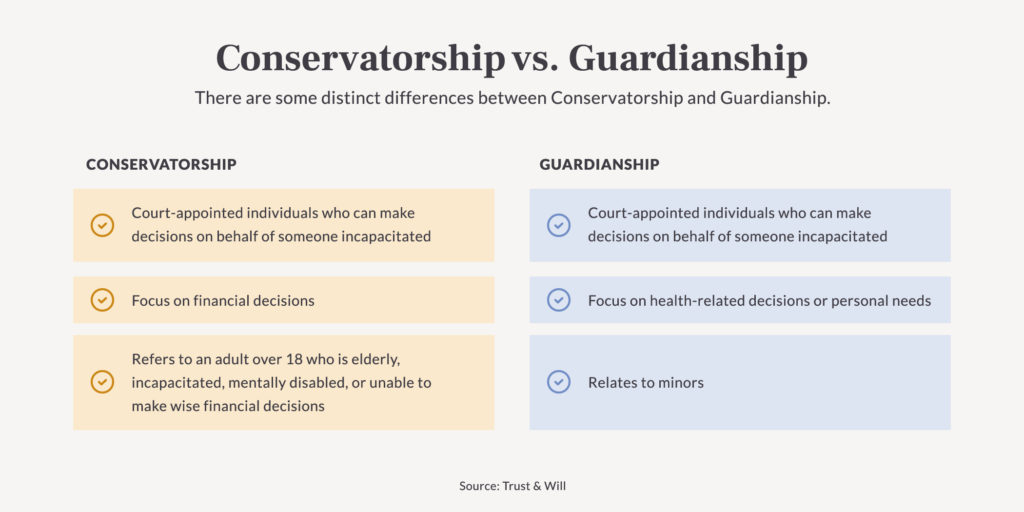
In the legal landscape, conservatorships and guardianships are mechanisms designed to assist individuals who are deemed incapable of managing their personal and/or financial affairs. Despite their similar goals, these arrangements come from different legal traditions and have nuanced differences that affect how they are implemented and perceived in the public eye. The spotlight on these legal tools has intensified in recent years, partly due to high-profile cases like that of Britney Spears, among others, drawing attention to their potential for both support and misuse.
Both are legal arrangements established to safeguard individuals who are unable to manage their own affairs due to physical or mental impairments. Although they are often used interchangeably, these terms have distinct meanings and implications. While some find them especially useful in saving a family’s fortune, others see them as harmful and abusive ways estates can be taken advantage of and how funds can be misappropriated. Now, whether you can prove the abuse of the estate is another can of worms altogether. However, I digress.
Nevertheless, in this blog, we’ll explore their origins, historical milestones, famous cases, and how to avoid these arrangements being imposed against your will. We’ll also examine their benefits and drawbacks and how they can be appropriately used for your benefit. So with that being said, c’mon, Grandma, grab your purse and that large ass file folder you carry around to show these here good-hearted folk that you want to understand fully what you are dealing with. 🤞🏽Please leave everything to me… Except for the dog. Give him to someone else.
Origins and First Recorded Use
The earliest recorded guardianships were established in ancient Rome, but in the United States, one of the first significant cases was the guardianship of Mary Kennedy, a mentally ill woman in the early 19th century. The first notable conservatorship case involved Clara Blandick, an actress in the early 20th century, who was placed under a conservatorship due to her declining mental health.
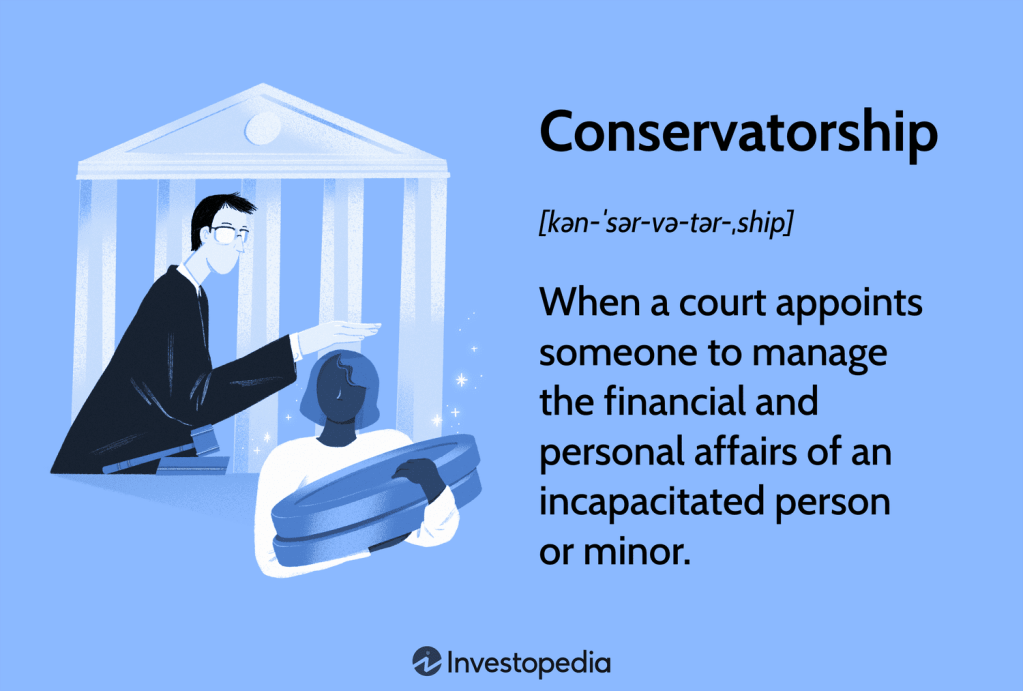
Conservatorship’s origins trace back to Roman law, where the concept of a “curator” was established to manage the affairs of those who couldn’t do so due to age or mental incapacity. This ancient foundation laid the groundwork for modern conservatorship laws, which vary significantly across jurisdictions but generally protect adults who are unable to manage their personal or financial matters due to various incapacities.
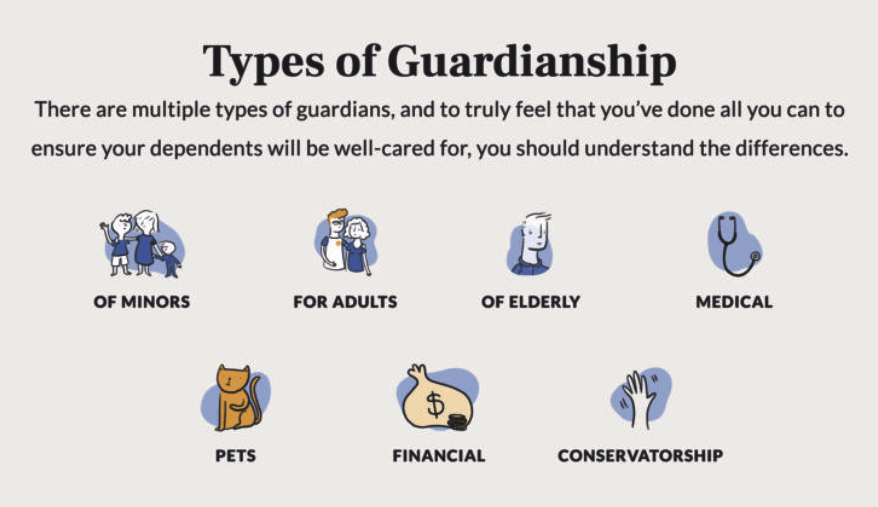
Guardianship, similarly, has its roots in common law traditions, evolving from English legal doctrines that sought to protect the property rights and well-being of orphans and individuals unable to care for themselves. The first recorded use of guardianships dates back to medieval England, where the Crown assumed responsibility for orphans and the management of their estates through the “wardship” system. This system has since evolved into contemporary guardianship practices, which are used worldwide to appoint someone with the legal authority to make decisions on behalf of another.
The First Reversals
One of the earliest reversals of a conservatorship occurred in the case of Clara Blandick, who successfully petitioned the court to regain control of her affairs. This set a precedent that conservatorships could be temporary and subject to termination when the individual regained capacity.
Why They Are Used
Both conservatorships and guardianships are utilized to protect individuals who are not in a position to care for themselves or manage their finances. These legal tools are designed to:
- Protect vulnerable individuals from abuse, neglect, or exploitation.
- Manage financial affairs to prevent mismanagement or fraud.
- Ensure personal care for those who cannot make decisions about their health or living conditions.
High-Profile Cases
The case of Britney Spears is perhaps the most famous recent example of a conservatorship. Spears was placed under a conservatorship in 2008 following a series of public incidents that raised concerns about her mental health and ability to manage her finances. This arrangement, controlled primarily by her father, James Spears, sparked the #FreeBritney movement, as fans and advocates questioned the necessity and fairness of the conservatorship.
In 2021, after years of legal battles, Britney Spears’ conservatorship was terminated, highlighting the potential for conservatorships to be used in ways that may not always align with the best interests of the conservatee. Other celebrities, including Amanda Bynes and Casey Kasem, have also been under conservatorships or guardianships. Each case spotlights the complex dynamics and delicate balance between protection and autonomy.

More Harmful or More Useful?
The debate over whether conservatorships and guardianships are more harmful or beneficial is complex and situational. Critics argue that these arrangements can be overly restrictive, infringing on personal freedoms and making it difficult for individuals to regain autonomy. Stories of abuse, exploitation, and financial mismanagement under conservatorships and guardianships have fueled calls for reform.
On the other hand, when implemented with careful oversight and in the genuine interest of the individual, these legal tools can provide necessary protection and support to those who are genuinely unable to manage their affairs, ensuring their health, safety, and financial well-being.
Pros and Cons of Conservatorships and Guardianships
Benefits:
- Protection: They ensure that individuals who cannot manage their affairs receive proper care and financial management.
- Prevention of Exploitation: They can protect vulnerable individuals from being exploited financially or otherwise.
- Support: They provide a legal framework for families to support their loved ones who cannot make decisions for themselves.
Drawbacks:
- Loss of Autonomy: Individuals lose the right to make their own decisions, which can lead to feelings of helplessness and frustration.
- Potential for Abuse: As seen in high-profile cases, conservatorships can be abused, leading to exploitation and mistreatment of the individual.
- Complex Legal Process: Establishing and terminating conservatorships or guardianships can be a lengthy and costly legal process.
Avoiding Unwanted Conservatorships or Guardianships
- Estate Planning: Establishing a durable power of attorney and advance healthcare directives can help ensure your wishes are respected without the need for a conservatorship.
- Trusts: Setting up a trust can protect your assets and designate someone you trust to manage them if you become incapacitated.
- Clear Communication: Discussing your wishes with family members and legal advisors can help prevent misunderstandings and disputes.
- Regular Updates: Keeping your legal documents updated ensures they reflect your current wishes and circumstances.

Final Thought
The discussion surrounding conservatorships and guardianships could be more straightforward. While their origins and intended purposes are rooted in protection and care, their application in the modern legal system—especially in high-profile cases—has revealed significant challenges and areas for reform. Balancing the need for protection with respecting the autonomy and rights of individuals remains a delicate and evolving legal and ethical issue. As society continues to grapple with these questions, the experiences of Britney Spears and others catalyze ongoing dialogue and potential changes in how we approach conservatorships and guardianships in the future.
Conservatorships and guardianships play crucial roles in protecting individuals who cannot protect themselves. However, they also come with significant risks and challenges. By understanding their history, benefits, and drawbacks and taking proactive steps to manage your affairs, you can help ensure that your autonomy and rights are respected. Britney Spears’s and others’ cases serve as reminders of the importance of vigilance and advocacy in these legal processes.
So when you find yourself in a legal situation that involves either one of these, whether put in place by a family member or the State, remember what you’ve learned from this blog and take heed. It could possibly save or change your life for the worse or for the better.

 Realizations with Tiffany K. Charles
This is interesting. To be or not to be. Feom Brittany’s perspective it was a necessary evil but the question is, at what point can you handle your own affairs. Money is truly the root of almost all evil
LikeLiked by 1 person