
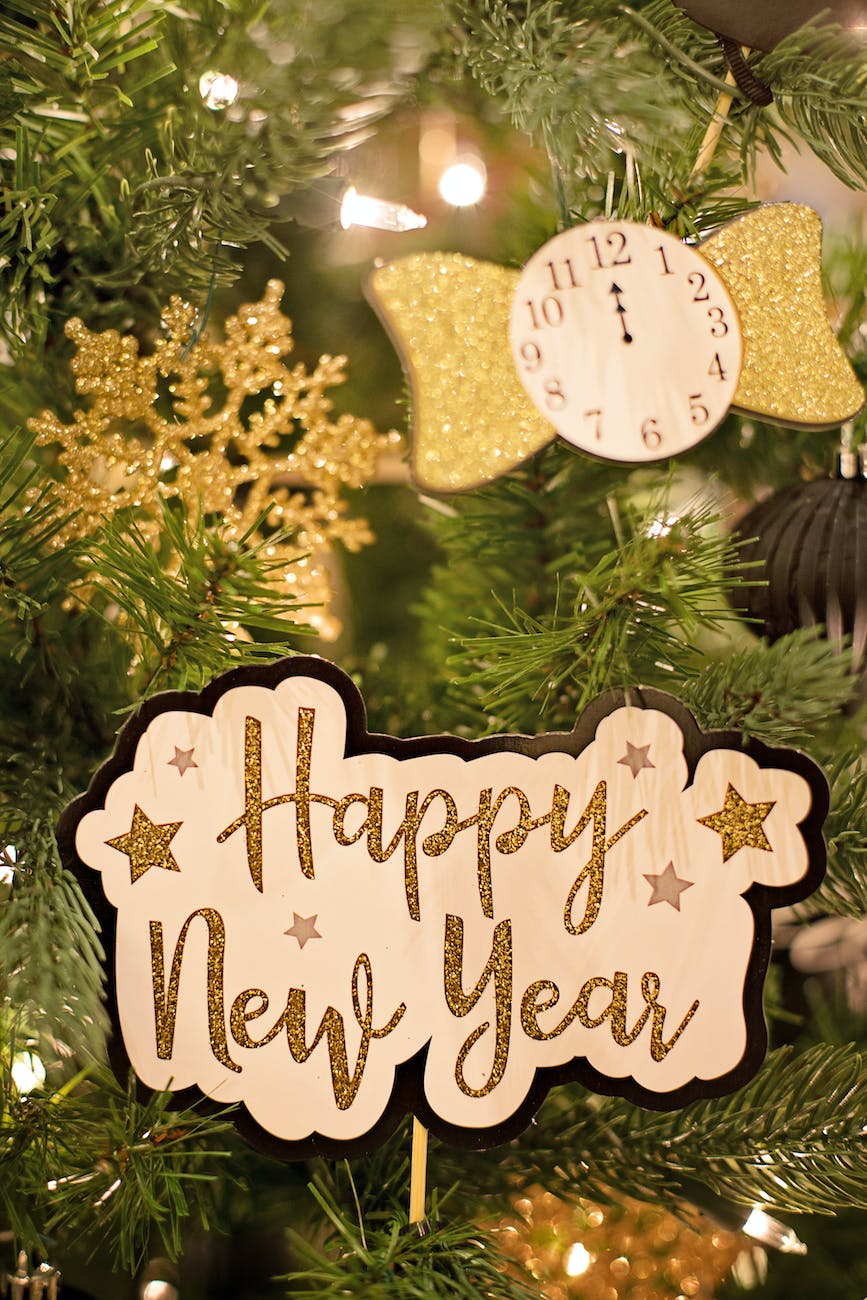
As the clock strikes midnight and fireworks light up the sky, people worldwide celebrate the arrival of the New Year. This universal celebration, rich in traditions and rituals, is a time of joy and hope and reflects deep-rooted historical practices. But why do we celebrate the New Year, and how did these traditions come? In this blog, we will discover the traditions and the meaning of why we celebrate the New Year. The breaking down of the famous song we sing and why we kiss at the drop of the ball.
The Historical Roots of New Year’s Celebrations
The celebration of the New Year is one of the oldest holidays still observed today. The first recorded festivities in honor of a new year’s arrival date back some 4,000 years to ancient Babylon. For the Babylonians, the first new moon following the vernal equinox — a day in late March with an equal amount of sunlight and darkness — heralded the start of a new year. They marked the occasion with Akitu, a massive religious festival celebrating the mythical victory of the Babylonian sky god Marduk over the evil sea goddess Tiamat.
Why January 1st?
The specific date of January 1st as the beginning of the new year has its roots in the Roman calendar. Initially, the Roman calendar consisted of 10 months and 304 days, with each new year beginning at the vernal equinox. According to tradition, Romulus, the founder of Rome, instituted this calendar in the 8th century B.C.
However, various emperors often tampered with the Roman calendar, leading to inconsistencies and misalignments with the sun. To solve this, Julius Caesar, in consultation with the astronomer Sosigenes, introduced the Julian calendar in 46 B.C. This new calendar, which closely resembles our modern calendar, declared January 1st as the start of the year to honor Janus, the Roman god of beginnings, whose two faces allowed him to look back into the past and forward into the future.
From April Fool’s Day to January 1st

The New Year was celebrated on March 25th in Christian Europe for an extended period to coincide with the Feast of the Annunciation. However, in 1582, Pope Gregory XIII instituted the Gregorian calendar, a refinement of the Julian calendar, which restored January 1st as New Year’s Day. Those who continued to celebrate the New Year from March 25th through April 1st were often mocked, which is believed to be the origin of April Fool’s Day.
Traditions and Rituals
Across the globe, New Year’s traditions are as diverse as the cultures that celebrate them. Common themes often relate to banishing the old and welcoming the new, reflecting hope and renewal. Here are a few notable traditions:
- Fireworks and Noisemaking: From ancient times, loud noises were thought to scare away evil spirits. Today, fireworks are a staple of New Year’s celebrations worldwide.
- New Year’s Resolutions: The Babylonians were among the first to make New Year’s resolutions, primarily promises to earn the gods’ favor. Today, resolutions often focus on self-improvement.
- Eating Special Foods: Many cultures eat specific foods on New Year’s Eve and New Year’s Day to bring luck and prosperity. For example, in Spain and some Latin American countries, eating 12 grapes at midnight is customary, symbolizing hopes for the months ahead.
- First-Footing: In Scotland and parts of Northern England, the “first-footing” tradition is practiced, where the first person to enter a home after midnight brings gifts like bread, salt, coal, or whiskey, symbolizing good fortune.
- The Time Ball Drop-in Times Square: This tradition, dating back to 1907, is an iconic symbol of New Year’s Eve in the United States, with millions watching the ball drop in New York City.
Watching the Ball Drop
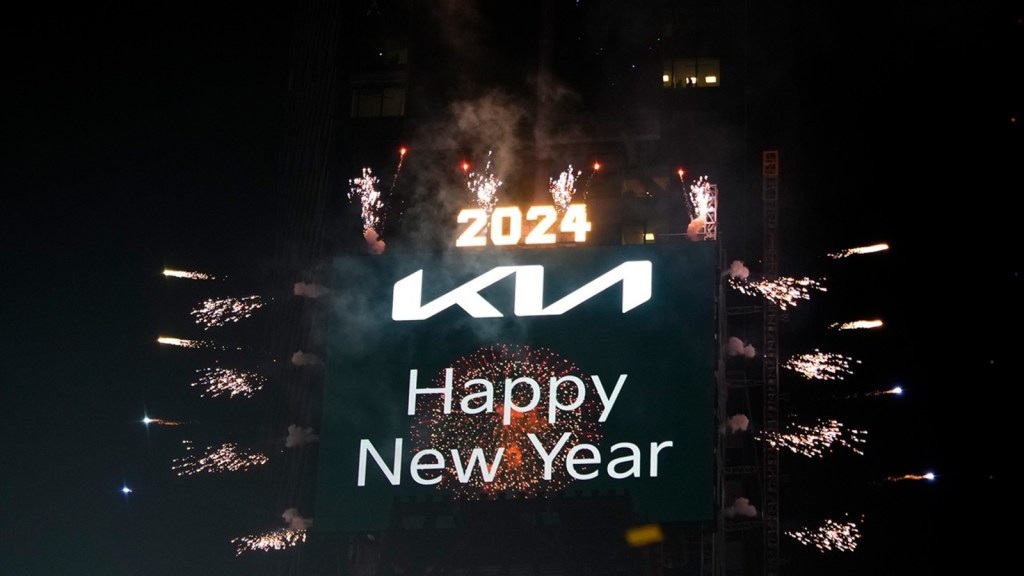
The tradition of dropping an object while counting down to the New Year, such as the famous Ball Drop-in Times Square, New York City, holds significant cultural and symbolic importance. This practice dates back over a century and serves as a visually striking and communal way to mark the transition from one year to the next.
- Symbolism of Time Passing: The descending motion of the ball or object symbolizes the inevitable passage of time leading up to the climax of the old year, giving way to the new.
- Unity and Celebration: This event often gathers large crowds, both physically and via broadcasts, fostering a sense of unity and shared experience. It’s a moment when people come together to celebrate hopes, dreams, and possibilities for the new year.
- Historical Continuity: The tradition connects us to past generations who have similarly observed the New Year, providing a sense of continuity and connection to history.
- Global Recognition: Iconic events like the Times Square Ball Drop have gained international recognition, becoming synonymous with New Year’s celebrations and influencing similar practices worldwide.
- Media and Cultural Impact: These events are often televised and covered extensively in the media, contributing to the cultural fabric and becoming a staple of New Year’s Eve celebrations.
Kiss Me
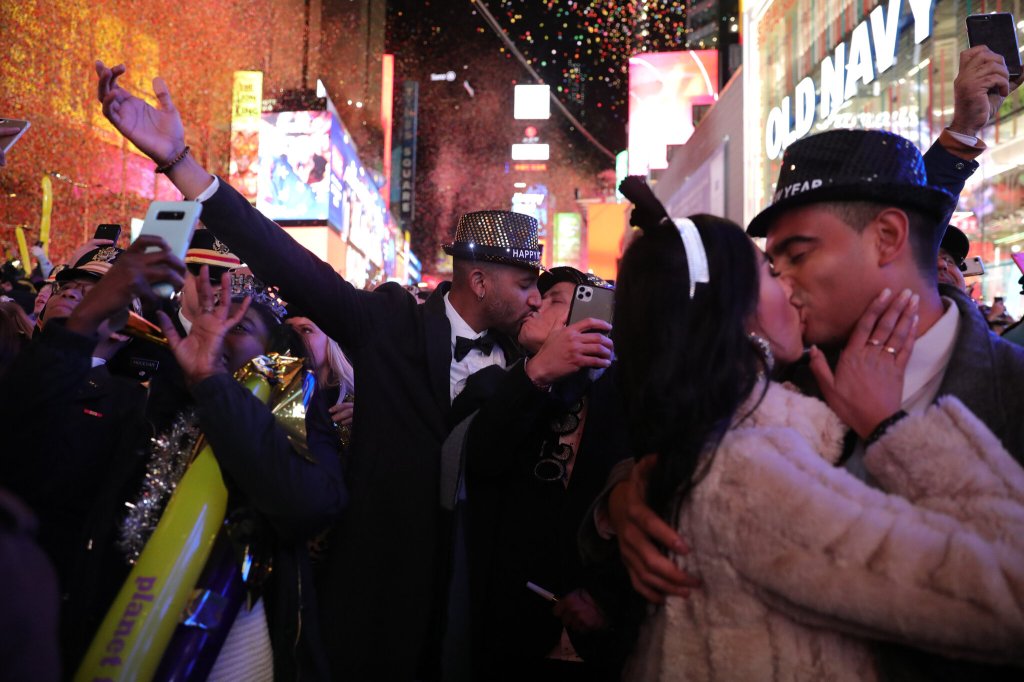
Kissing at the stroke of midnight on New Year’s Eve is a tradition steeped in history and symbolism. This practice, widely observed in Western cultures, is often associated with the idea of purifying the old year’s woes and welcoming the new year with renewed hope and joy. The kiss, symbolizing love and affection, is believed to strengthen relationships and bring good luck for the coming year. This custom may also have roots in ancient festivities and folklore, where it was thought that the first person you encounter in the new year—and the nature of this encounter—sets the tone for the rest of the year. Therefore, sharing a kiss with someone special as the clock strikes midnight is seen as an auspicious start to the new year, filled with love and optimism.
Creating Your Own Tradition
Creating your New Year tradition is a beautiful way to bring personal significance to the holiday and start the year with a touch of individuality. Begin by reflecting on what matters most to you and your loved ones. It could be focusing on health, gratitude, joy, or reconnecting with nature. Your tradition should resonate with these values. For instance, if health is your focus, you might start each New Year with a family hike or a group yoga session. If gratitude is critical, consider writing letters of appreciation to each other to be read aloud. A New Year’s Day picnic or beach cleanup could be meaningful for those valuing reconnecting with nature. Remember, the best traditions are superficial, inclusive, and create lasting memories. It’s all about starting the year in a way that sets the tone for the months to come, celebrating what’s truly important to you.
Auld Lang Syne
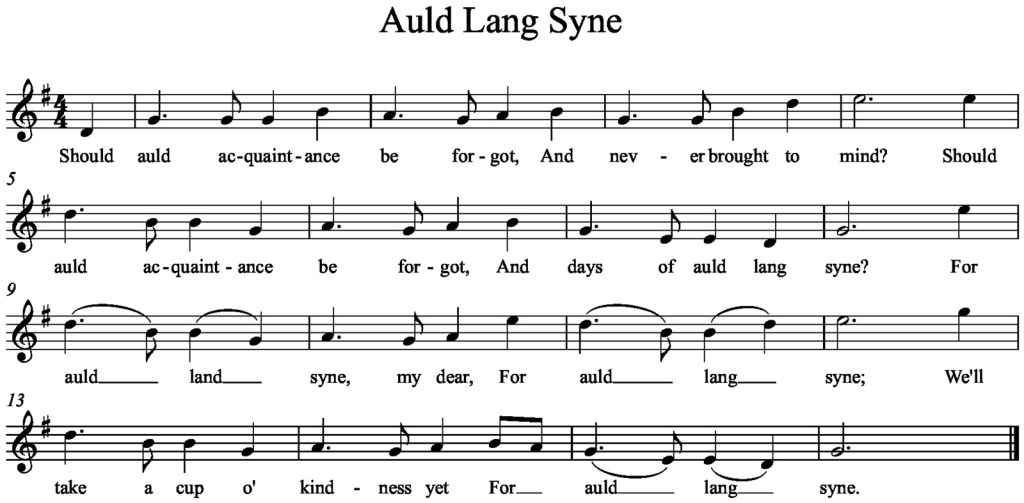
“Auld Lang Syne,” often spelled as “Ole Lang Sin” in various phonetic interpretations, is a traditional Scottish song famously sung worldwide at midnight on New Year’s Eve. The lyrics, written by the Scottish poet Robert Burns in the late 18th century, are in Scots language. Here’s a breakdown of the song’s meaning:
- “Should auld acquaintance be forgot and never brought to mind? Should auld acquaintance be forgotten and lang syne?”
- These opening lines pose a rhetorical question: should old friends and times be forgotten? The phrase “auld lang syne” translates to “old long since,” which roughly means “times gone by” or “old times.” The singer asks if old memories should be forgotten, suggesting they should not.
- “For auld lang syne, my dear, for auld lang syne, we’ll tak a cup of kindness yet, for auld lang syne.”
- This chorus emphasizes the value of preserving old friendships and memories. “We’ll take a cup of kindness yet” means that we will raise a glass in a gesture of goodwill, friendship, and reminiscence.
- The subsequent verses (often omitted in many renditions) recall past adventures and experiences shared with old friends.
- These verses talk about running through the fields and picking flowers, paddling in the stream from morning to evening, etc. It’s a nostalgic look back at youthful joys and adventures with friends.
“Auld Lang Syne” is a song of remembrance and goodwill. It’s about honoring past relationships and experiences, suggesting that these memories are crucial to who we are and should not be forgotten. It’s become a global anthem for marking the passage of time and the start of a new year, signifying a moment of reflection and hope for the future.
Final Thoughts
New Year’s Celebrations are a testament to humanity’s shared history and diverse cultures. Whether through fireworks, food, or festive gatherings, the essence of these traditions lies in the universal hope for a better, prosperous future. As we bid farewell to the old year and welcome the new, these rituals remind us of our shared human experience, aspirations, and continuous journey through time.
Dropping an object as the clock counts down to New Year is a powerful symbol of time’s passage, unity, and renewal, celebrated by millions worldwide.
HAPPY NEW YEAR TO YOU ALL!!

 Realizations with Tiffany K. Charles
Very informative. I don’t believe most people even know why they o what they do for new year celebrations. Pertinent and practical. Good job
LikeLike