

“After the Love has Gone” bop bop bop ” How could you lead me on?” bop bop bop… YES, EARTH WIND AND ERTH!! You have the best music to suit every situation. After the courting, dating, nuptial, and celebrating have surpassed, you are headed for divorce. That’s right. You are about to undo what was done in harmony. Regardless of why the divorce is happening, you cannot deny that you are at this point in your life. The point of starting over after you’ve tried to incorporate your life with another. And this shit hurts like hell. No, you are not okay emotionally, but you may be okay mentally about the reality of your reality.
Now that the love is gone, and you are left with these unnerving emotions, your mind is racing, and you probably wish you never had done it. You may have regrets, or you may not even be bitter at all. But you will begin to think: “Did I see it coming?”. Are you the one who initiated these proceedings? Are you the one who wants out? If so, what part did you play in dismantling this marriage? Are you willing to admit that you are part of the cause? Let’s be adults here and accept that we are all terrible to some and angels to others. And while you are seriously thinking about what’s next and what should be done if there are assets and whatnot, kids, etc., let’s begin the court proceedings. You vs. Them.
Facing a divorce, especially when it’s unexpected, can be an incredibly challenging and emotional experience. It’s essential to approach this life-changing event with courage and resilience. Firstly, allow yourself to grieve. It’s natural to feel a range of emotions, such as sadness, anger, or confusion, and to acknowledge these feelings without judgment. Try to seek support from friends, family, or a therapist who can provide a listening ear and guidance. Remember, it’s okay to lean on others during tough times.
Engage in self-care practices that nurture your physical, emotional, and mental well-being. This can include exercise, meditation, or pursuing hobbies that bring you joy. Set realistic goals for yourself and take things one day at a time. Focus on what you can control, like your own well-being and happiness. Lastly, try to maintain a positive outlook. This is an opportunity for personal growth and new beginnings. Remember, you’re not alone in this journey; with time, you can emerge more robust and resilient.

Handling divorce can be a challenging and emotional experience. Here’s a summary of steps to consider when processing the fact that you are facing divorce:
- Acknowledge Your Feelings: It’s normal to experience a range of emotions, including sadness, anger, frustration, and confusion. Allow yourself to feel these emotions without judgment.
- Seek Support: Share your feelings with friends, family, or support groups. Consider professional help, like a therapist, who can guide you through this emotional time.
- Stay Active and Healthy: Focus on your well-being. Maintain a healthy diet, exercise regularly, and get enough sleep. These actions can help manage stress and improve your mood.
- Take Care of Legal and Financial Matters: Work with a lawyer to understand your rights and responsibilities. If applicable, address financial concerns such as asset division, debt responsibilities, and alimony or child support.
- Focus on Positive Change: Use this time to focus on personal growth. Engage in activities that you enjoy and that make you feel good about yourself.
- Establish a Routine: Create a new routine that helps you move forward. This can provide a sense of normalcy and stability.
- Consider Your Children’s Needs: If you have children, prioritize their well-being. Keep them out of legal disputes and provide love, support, and stability.
- Avoid Rash Decisions: Avoid making major life decisions in the heat of the moment. Give yourself time to adjust and think clearly about your future.
- Reflect and Learn: Reflect on the relationship and what you can learn from the experience. This can help you understand yourself better and help you in future relationships.
- Look Forward: Focus on rebuilding and moving forward. Set new goals and work towards a positive future.
Remember, healing takes time, and taking it one day at a time is okay.

Co-existing During and After Divorce
Divorcing while continuing to live together can be challenging and complex, requiring a great deal of emotional maturity and practical management. It involves navigating a delicate balance between personal space and shared responsibilities, especially if children are involved. Communication is critical; establishing clear boundaries and mutual respect is crucial to maintaining a peaceful coexistence. This period can be used to adjust to the impending change in relationship dynamics gradually. Practicing patience and empathy is essential, as well as recognizing that both parties deal with various emotions and uncertainties. In such situations, seeking external support, such as counseling, can provide valuable guidance and help manage this transition’s emotional and logistical aspects.
Going through a divorce can be a challenging and emotionally taxing experience, especially when it involves co-existing with your soon-to-be-ex-spouse. It’s crucial to maintain a level of mutual respect and understanding during this period. Communication is vital; discuss and agree upon clear boundaries and house rules to minimize conflicts. Creating a structured schedule for shared responsibilities, like parenting or household chores, is beneficial to avoid misunderstandings. Prioritize the well-being of any children involved by shielding them from disputes and maintaining a stable environment. Practice self-care and seek support from friends, family, or professionals to manage emotional stress. Lastly, consider temporary living arrangements if co-existing becomes too difficult, always considering the ultimate goal of a peaceful and fair separation.
A compact list to assist with co-existing after a divorce:
- Maintain Respect and Boundaries: Establish clear boundaries with your soon-to-be ex-spouse. This includes respecting each other’s personal space and privacy.
- Effective Communication: Keep communication open, honest, and amicable. Utilize professional mediators if necessary.
- Focus on the Bigger Picture: Remind yourself of the ultimate goal—a peaceful and fair resolution. Keeping a future-focused perspective helps reduce the bitterness of the present.
- Seek Support: Engage with a therapist or support group. Having a safe space to express your emotions and thoughts is crucial.

Post Divorce Life
Post-divorce life often marks a significant transition, presenting challenges and opportunities for personal growth and new beginnings. It can be a time of introspection and rediscovery, where individuals re-evaluate their priorities, interests, and goals. This period may involve adapting to new living arrangements, developing a different daily routine, and exploring new relationships or hobbies. For many, it’s an opportunity to focus on self-care, strengthen bonds with friends and family, and invest in their well-being. While it may initially be accompanied by emotions like sadness, relief, or uncertainty, post-divorce life often leads to a stronger sense of independence and resilience. The experience varies greatly among individuals, but many find it a transformative phase that opens the door to a fulfilling and empowered new chapter in their lives.
For Single Parents
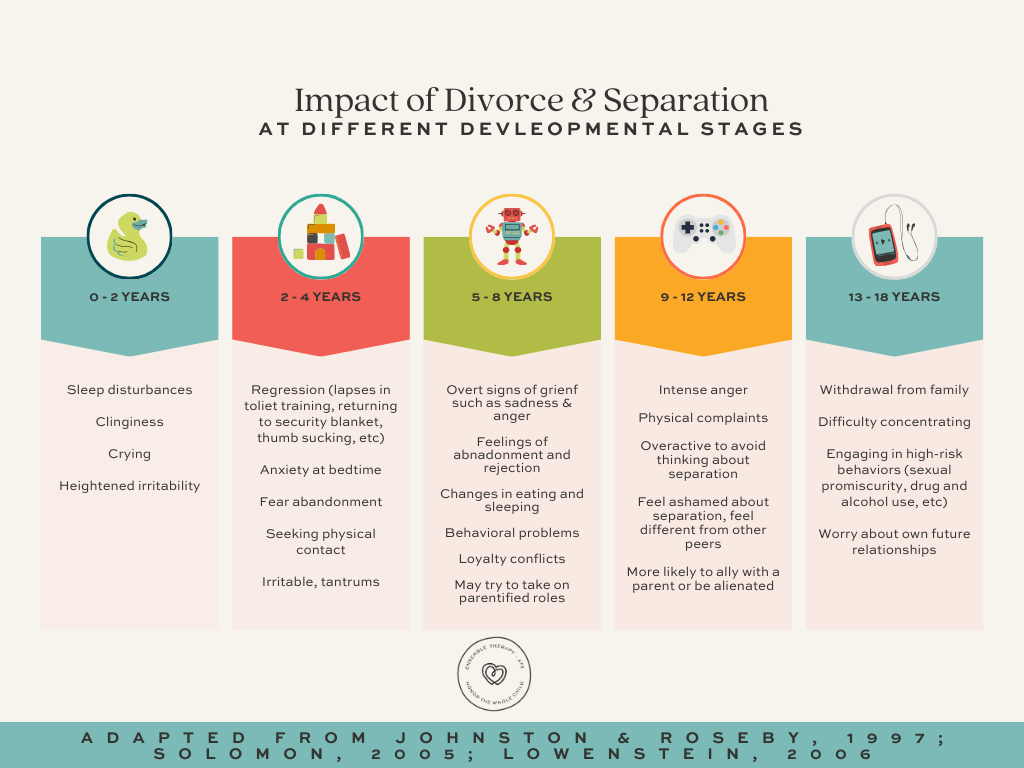
- Prioritize Your Children: Keep your children’s well-being at the forefront. Honest but age-appropriate communication about the changes is vital.
- Establish a Routine: Create a consistent routine to provide stability and security for your children.
- Co-Parenting Strategy: Work out a co-parenting plan that respects both parents’ roles and prioritizes the children’s needs.
- Personal Self-Care: Taking care of yourself is not selfish. It’s essential to be the best parent you can be.
For Singles Without Kids
- Rediscover Yourself: Take this time to explore your interests, hobbies, and personal growth opportunities.
- Build a Support System: Strengthen your relationships with friends and family. They can provide invaluable support and companionship.
- Financial Independence: Ensure you understand your finances and work towards stability and independence.
Venturing Back into Dating
Returning to the dating scene can be an exhilarating and challenging experience, especially after a period of absence. It often begins with excitement and nervousness as one relearns the subtle art of making a first impression and understanding the modern nuances of dating. The digital age has transformed the landscape, introducing online dating apps and platforms, which can be both a blessing and a curse. On the one hand, they offer convenience and a vast pool of potential partners; on the other, they demand a particular savvy in profile creation and text communication.
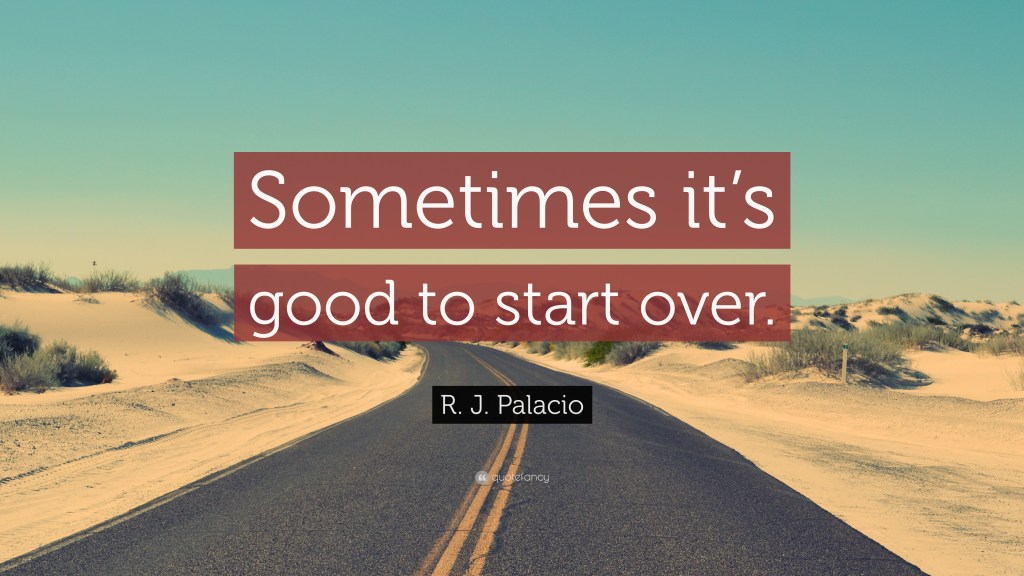
The following are suggestions for getting back on the dating scene. Remember, it’s okay that you are starting over. I hope this helps:
- Take Your Time: Don’t rush into dating. Give yourself time to heal and understand what you want in a future relationship.
- Be Honest About Your Past: When dating, be open about your divorce status. Honesty lays the foundation for a healthy relationship.
- Manage Expectations: Understand that dating has changed, and so have you. Be patient with yourself and the process.
- Protect Your Children: If you have children, introduce them to a new partner only when the relationship is serious and stable.
- Stay Positive: Approach dating with a positive attitude. Each experience, good or bad, is an opportunity to learn and grow.

Navigating these new norms and the timeless quest for a genuine connection requires patience, openness, and confidence. Each date is an opportunity to discover not just another person but also oneself, revealing new preferences, deal-breakers, and aspects of personal growth. Ultimately, venturing back into dating is about finding someone to share your life with and embracing change, personal development, and the joy of new beginnings.
Final Thoughts
Embracing a new life after divorce can initially seem daunting, but it offers personal growth and self-discovery opportunities. Although painful, the end of a marriage marks the beginning of a new chapter in one’s life, where one can explore personal interests, passions, and aspirations that might have been sidelined. Acknowledging and processing the emotions associated with divorce, be it sadness, anger, or frustration, is crucial. However, it’s equally important to shift focus towards the positives gradually. This period can be used for self-reflection to understand one’s needs and desires better, fostering personal growth.
Engaging in new activities, hobbies, or career paths can be incredibly fulfilling. Reconnecting with old friends and making new ones can also provide a support system and a sense of belonging. One significant advantage of post-divorce life is the freedom to decide solely based on personal preferences and well-being. This newfound independence is empowering. It allows for a reevaluation of life goals and values without the need to compromise or align with a partner’s wishes. It’s an opportunity to redefine personal success and happiness on one’s terms. Embracing this freedom can lead to a more authentic and fulfilling life.
Additionally, this is a time to strengthen relationships with family and friends who provide emotional support. It’s also a chance to form new bonds and expand one’s social circle, which can be refreshing and enriching. Looking at the positive side of an unpleasant situation like divorce involves cultivating a mindset of resilience and optimism. It’s about recognizing that while one chapter has ended, another is waiting to be written. Setting new goals, whether related to career, personal health, or hobbies, gives a sense of direction and purpose. It’s also essential to practice self-care and seek professional help to navigate the emotional complexities of post-divorce life.
Ultimately, embracing life after divorce is about acknowledging the past, living fully in the present, and looking forward to the future with hope and enthusiasm. Focusing on personal growth, independence, and the support of loved ones can turn a challenging situation into a journey of self-discovery and fulfillment. Remember, divorce is not the end but a transition to a new phase of life. You can navigate this journey successfully with patience, resilience, and a positive outlook. Embrace the change and be open to new adventures and experiences.
 Realizations with Tiffany K. Charles