
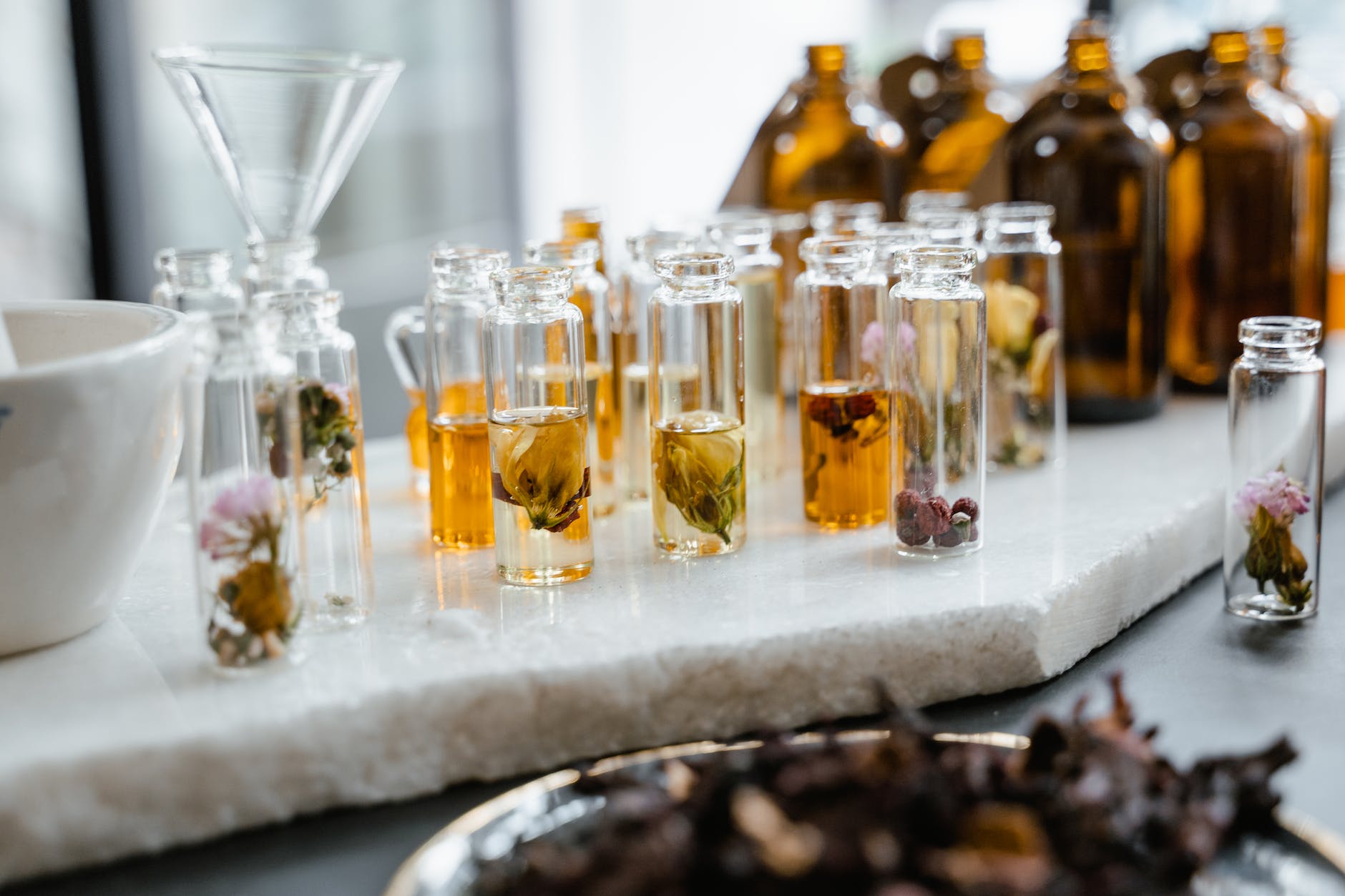
We all want to smell good for whatever reason. Every day, we make sure that we bathe and put on deodorant and perfume. It’s our daily routine, as we have been programmed to do every day since we hit puberty. But where did the need to cover up our natural body odor come from? I mean, I understand the need to bathe and wash our hair and brush our teeth and the dire need for deodorant, but perfume? The need to cover up what we really smell like well…. smells fishy.
Where did the need to crave different scents for different moods come from? There was a time when only the rich could afford to smell like something. A ripe bag of roses to mask everyday funk must have cost a pretty shilling, but where did the need to smell good all day derive from? Why is it that we all can wear the same perfume, but it sits and performs differently, leaving unique and genuinely individual scent trails behind? Who was the first to wear it, Men or Women or both? Did they have it for kids? Inquiring ( maybe only mine, but…) minds wanna know.
Perfume has been a part of human culture for thousands of years, tracing its roots back to ancient civilizations in Egypt, Mesopotamia, and Greece. People in these cultures would use fragrant oils and botanicals to mask body odor and enhance their scent, often for religious and ceremonial purposes. Wanting to smell like the Gods have favor over you has played a significant role in human civilization for centuries. People create perfumes to mask or enhance their body odor with alluring scents and captivating fragrances to gain another’s attention.
From the aromatic incense of ancient Egypt to the complex compositions of modern-day fragrances, perfumes have fascinated and delighted us throughout history. Whether you prefer body splashes or roll-ons, body oils or Ouds, or just an Eau de Parfum, you have multiple choices when wanting to smell your best. Come with me, and let’s embark on a fragrant journey through time, exploring the captivating history of perfume and unraveling the secrets behind constructing these olfactory works of art.
The Creation of Scents
In the beginning, as trade routes expanded and the art of perfumery was passed down through the generations, the use of perfumes became increasingly widespread. During the Renaissance, perfumes were a luxury item, and royalty and the wealthy used them to signal their status. However, the creation of synthetic fragrances in the 19th century revolutionized the perfume industry, making it possible to produce consistent, longer-lasting, and less expensive fragrances.
Ancient Egypt: A Perfumed Oasis: Our expedition begins in the illustrious land of ancient Egypt, where perfume held profound cultural and spiritual significance. The perfume was interwoven into the daily lives of Egyptians, from religious rituals to personal adornment. They believed the pleasant aroma of perfumes could appease the gods and elevate the soul. Perfumes were commonly derived from natural ingredients, including aromatic flowers, resins, spices, and herbs. In addition, the Egyptians had an affinity for fragrant plants such as lotus, jasmine, myrrh, and frankincense. These ingredients were skillfully blended with oils, creating various scents ranging from sweet and floral to resinous and earthy.
Potpourri Bags: A Fragrant Solution to Combat Bad Body Odor
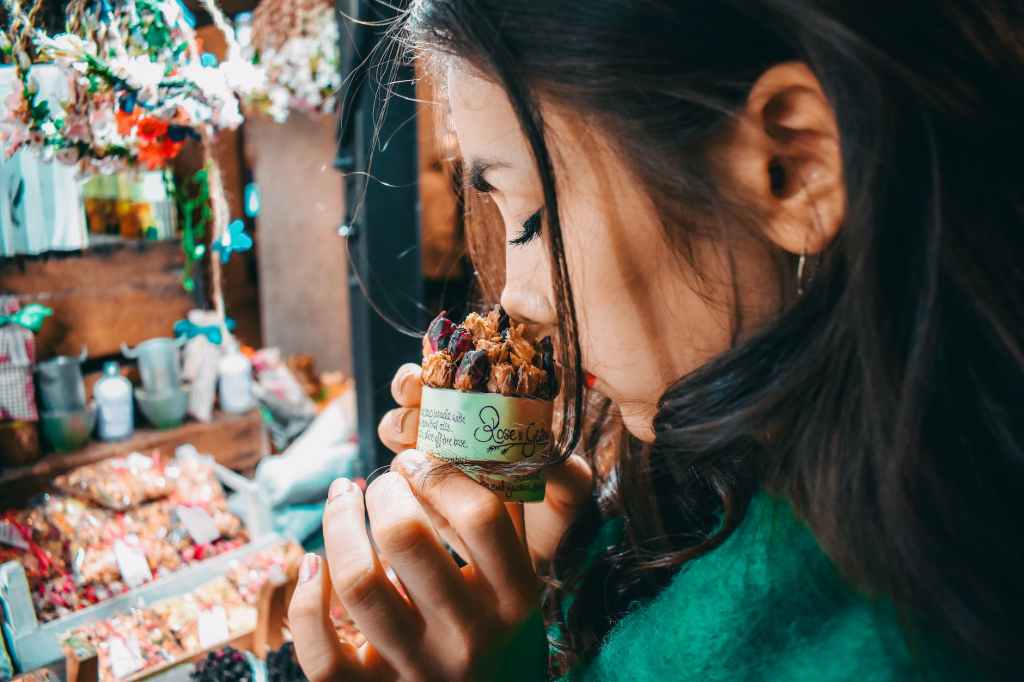
Body odor is a natural occurrence that affects people to varying degrees. While personal hygiene practices significantly keep body odor at bay, some individuals may require additional assistance. In ancient times, people relied on various methods to mitigate unpleasant odors; one such solution was using Potpourri bags. These small pouches filled with aromatic substances offered a practical and stylish way to mask foul body odor. In this blog, we delve into the fascinating history of Potpourri bags and explore how they were used to cover up unpleasant smells.
If you couldn’t afford the pricey sweet essence of perfumes, then Potpourri bags were your only option outside of daily bathing. Also, since deodorant had yet to be invented, this was most individuals’ only option to smell better than the rest. The construction of these bags is simple, and the contents can be found everywhere. Here is the step-by-step of what is in those bags and how they are made:
- Origin and Purpose of Potpourri Bags: Potpourri bags trace their roots back to ancient civilizations, particularly in East Asia. They were initially created as a portable and discreet means of carrying fragrances. The term “Potpourri” originates from Japan, where “Popo” means “smell” and “ii” stands for “contain.” These bags were designed to be small enough to carry in one’s pocket or purse while holding various aromatic substances such as herbs, flowers, and spices.
- Aromatherapy and Perfumes in Ancient Times: In ancient times, people recognized the power of aromas to affect mood, mask unpleasant smells, and enhance personal hygiene. Perfumes and fragrances were used in various forms, including scented oils, balms, and incense. Potpourri bags became a popular method for individuals to carry their preferred scents throughout the day, allowing them to combat foul body odor discreetly.
- Construction and Design: Potpourri bags were meticulously crafted, often made from delicate fabrics such as silk, velvet, or brocade. These pouches were typically adorned with intricate embroidery featuring vibrant colors and patterns. The beautiful designs allowed individuals to incorporate Potpourri bags seamlessly into their fashion accessories.
- Aromatic Contents: The contents of Potpourri bags’ contents were carefully chosen to combat body odor effectively. Common ingredients included dried flowers, such as lavender and rose petals, and fragrant herbs, like mint, thyme, and basil. Spices like cinnamon, cardamom, and cloves were also frequently used. These natural ingredients release pleasing scents that subtly mask any unpleasant body odor.
- Application: To utilize a Potpourri bag, individuals would place their preferred aromatic substances within the pouch. The bag would then be secured, and it could be discreetly carried on their person. When encountering undesirable body odor, they would open the bag and gently waft the fragrant aroma toward their face, covering any unpleasant smells.
- Legacy and Contemporary Use: While modern personal hygiene practices and scented products have largely replaced the need for Potpourri bags, their legacy can still be seen in today’s society. Fragrance enthusiasts and collectors appreciate the craftsmanship and beauty of these historic pouches. As a result, Potpourri bags have become sought-after collectors’ items and are often highlighted as cultural artifacts in museums.
Potpourri bags represent an intriguing historical solution to combat lousy body odor. Not to be more effective than perfumes, these delicate pouches, filled with aromatic substances, offered individuals a discreet and stylish way to mask unpleasant smells. Moreover, as an alternative to pricey perfumes, they provided a fascinating glimpse into ancient hygiene practices and the significance of fragrances in various cultures. While their practical use has diminished over time, their legacy lives on, reminding us of the importance of pleasant aromas in our daily lives.
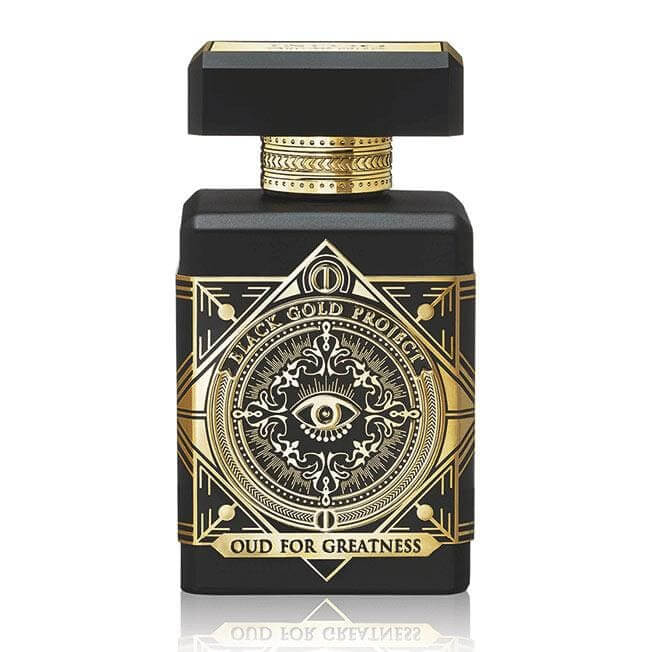
OUDS Another World to Smell
The oud, also known as agarwood, has a storied history that stretches back thousands of years and is deeply rooted in the cultural traditions of the Middle East, South Asia, and Southeast Asia. This fragrant resinous wood comes from the Aquilaria tree, which, when infected by a particular mold, produces a rich, dark resin in response. The earliest documented uses of oud can be traced to ancient texts from India and the Middle East, where it was highly prized for its distinctive fragrance and medicinal properties. In religious contexts, oud has been used in the form of incense for spiritual ceremonies and rituals, signifying purification and the divine. It was also traded along the Silk Road, which helped spread its use and appreciation to other regions.
The production process of oud involves the natural infection of the Aquilaria trees by mold. This infection is essential as it prompts the tree to produce the valuable oud resin, which permeates the heartwood. Harvesting oud is labor-intensive and requires specific knowledge to identify and extract the resin-infused wood without damaging the tree further. This wood is then either distilled into an essential oil or cured to produce incense. Historically, the rarity of naturally infected trees made oud a precious commodity. Today, it continues to hold a place of distinction in perfumery and cultural practices, particularly in the Arabian Gulf countries, where it is not only a symbol of status but also an integral part of the cultural fabric, used in perfumes, incense and as a welcome gesture to guests.
Perfume Extraction Methods: The ancient Egyptians employed various techniques to extract aromatic essences. One such method was enfleurage, where flower petals were placed on greased animal fat until the fragrance was absorbed. Another technique involved distillation, which produced essential oils by steaming or boiling the plant material.
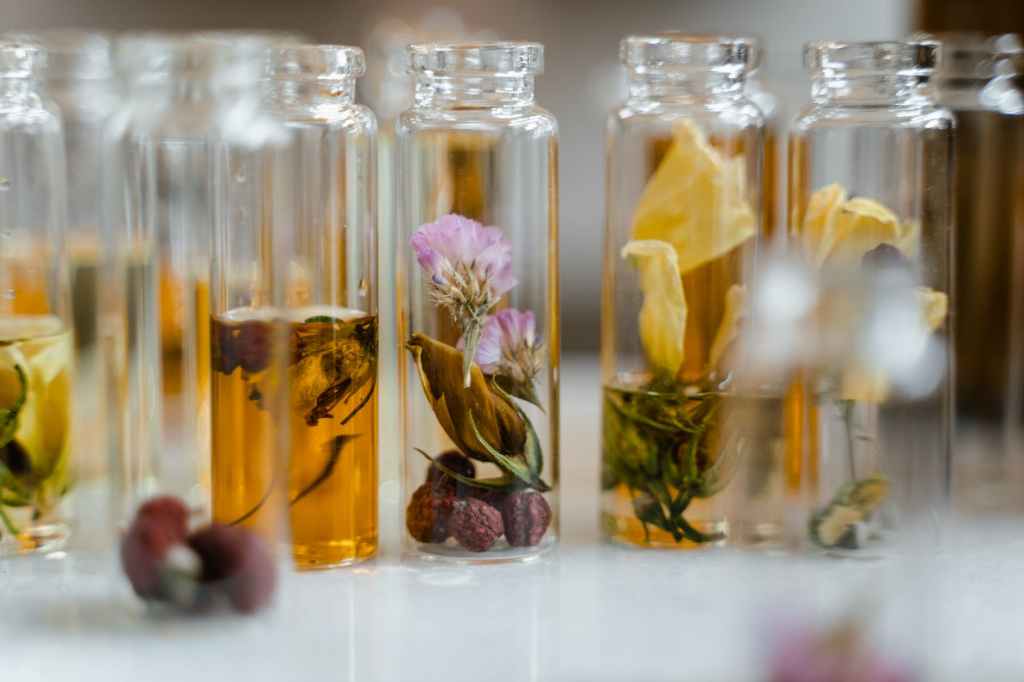
Perfume Notes: The Symphony of Scents: In the realm of perfumery, the composition of fragrances is divided into three main components: top notes, heart notes, and base notes. These notes work together harmoniously, evolving to create a mesmerizing scent experience. Perfume construction involves blending various aromatic ingredients, both natural and synthetic, in precise proportions. Perfumers carefully consider the olfactory characteristics of each ingredient, balancing them to achieve a desired scent profile. This delicate process requires a deep understanding of fragrance families, accords, and harmonies.
Fragrance Families: Perfumes are categorized into distinct fragrance families, such as floral, oriental, woody, and fresh. Each family has its characteristic ingredients and olfactory style, allowing perfumers to craft diverse scents to suit different preferences. Going back to ancient Egyptian times, there is a mythology in perfumery that says that a perfume has 12 notes, and the elusive 13th note gives the perfume its special magic, power, or ultimate beauty. It is this 13th note that gives the perfume its name.
Modern Perfumery: Art Meets Science: As time progressed, perfume-making evolved, combining traditional techniques with modern scientific advancements. Today’s Perfumers have access to an extensive palette of synthetic aroma compounds, enabling them to create complex and innovative scents; today’s perfume industry is worth billions of dollars, launching new fragrances yearly. However, the way we wear and think about perfume is changing. With a growing focus on health and wellness, many seek natural, non-toxic fragrances made from essential oils and botanicals. This has led to a resurgence of interest in traditional perfumery techniques and a renewed appreciation for the art and science of creating fragrances.
- Top Notes: The initial impression of a perfume is formed by the top notes, which are light and fleeting. Standard top notes include citrus fruits like bergamot and lemon and fresh herbs like basil and lavender. They provide an immediate burst of fragrance upon application.
- Heart Notes: After the top notes fade, the heart notes take center stage. These form the fragrance’s core and are often floral or fruity. Rose, jasmine, ylang-ylang, and geranium are commonly found in heart notes. They contribute to the perfume’s character and personality.
- Base Notes: The base notes emerge as the fragrance dries and linger for an extended period. They are deep and rich and often contain woody, musky, or resinous ingredients. Examples of base notes include sandalwood, patchouli, vanilla, and amber. These notes provide depth, warmth, and longevity to the perfume.

Another change in the perfume industry is the rise of personalization. With the advent of digital technologies, consumers can now create their unique fragrances by choosing from a range of scents, textures, and strengths. This allows people to express their style and personality through their scent, making perfume a form of self-expression and enhancing one’s aura.
Final Thought
From the mystical allure of ancient Egypt to the sophisticated concoctions of the modern perfume industry, the history of perfumery is a captivating tale of artistry and craftsmanship. Perfumes have always held a special place in human culture, enchanting our senses and evoking emotions with their aromatic symphonies. By understanding the construction of perfumes and the notes that create them, we gain a deeper appreciation for these olfactory masterpieces that continue to mesmerize us today.
The history of perfume is long and fascinating, reflecting the changing attitudes and values of different cultures and societies. As our understanding of fragrance continues to evolve, it is clear that how we smell and think about perfume is undergoing a significant transformation, with a growing focus on natural ingredients, personalization, and self-expression. So, whether you are looking for a signature scent or a way to express your individuality, there has never been a better time to explore the World of perfume.
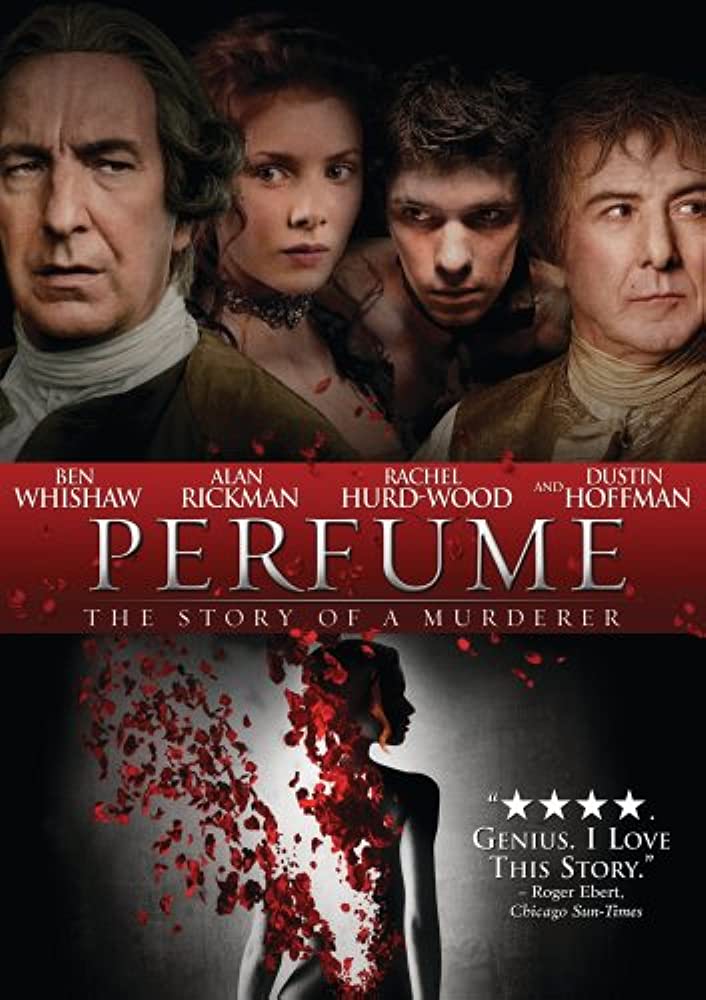
***** “Perfume: The Story of a Murderer” is a cinematic adaptation of Patrick Süskind’s best-selling novel, directed by Tom Tykwer. The film is a compelling blend of horror and beauty, telling the story of Jean-Baptiste Grenouille, a man with an extraordinary sense of smell but devoid of personal odor. Set in 18th-century France, Grenouille becomes obsessed with creating the perfect scent, leading him down a dark path of murder to capture the essence of his victims. The movie is visually stunning and unsettling, capturing the grotesque yet fascinating quest of its protagonist. While the film’s pacing may feel slow at times, Ben Whishaw delivers a haunting performance as Grenouille, making it a must-watch for those who appreciate a blend of artistic cinematography and narrative depth. Also, it shows you how they made perfume back in the times when washing thy buttocks once a week if you were rich enough, or once a month created a great demand and competition amongst perfume makers throughout France and the rest of the World. Enjoy!*********


Excellent article. Clear and concise
LikeLike