
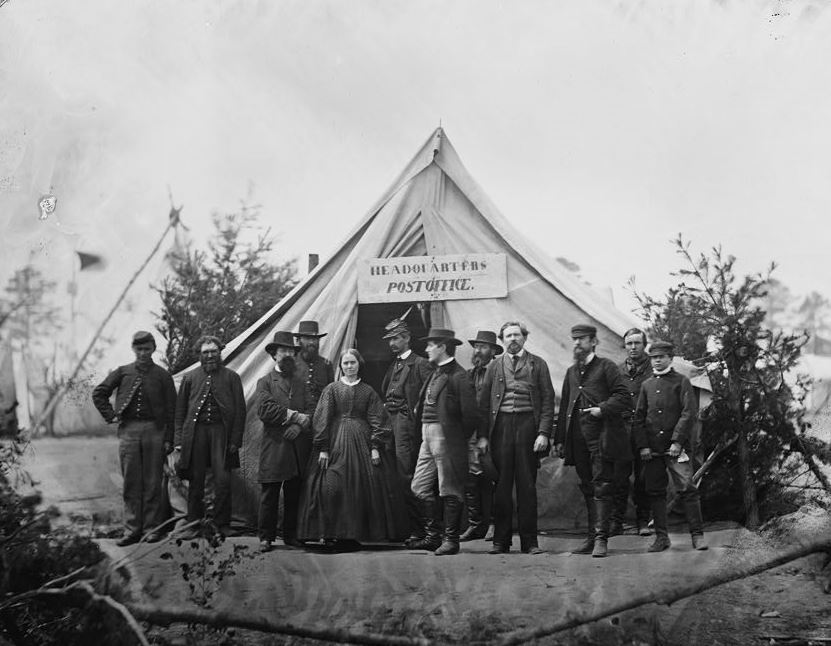
“The mailman is here!!” Oh, those words are music to many ears. When waiting on an important notification, a letter, a check, a mail-in ballot, or news that you’ve gotten into the university you have been dreaming about all your life. You will always get mail. Whether it’s an advertisement, a bill, a package, or a jury summons, you can guarantee that you will receive something in the mail. Even with the quick email responses, the USPS will never go out of style.
If you’ve ever dropped a letter into a blue collection box or watched a mail carrier cut through a neighborhood in every kind of weather, you’ve already crossed paths with one of the country’s most enduring institutions: the U.S. Postal Service. What’s easy to overlook is that USPS isn’t only about delivering mail—it’s a massive, long-running public infrastructure system that has been adapting and rebuilding itself for more than two centuries.
Most people picture carriers, collection boxes, and packages on the porch, but the postal system’s roots run deep. It helped connect communities long before the U.S. fully took shape, and it still functions under a unique legal setup compared to other parts of the federal government. It even has its own federal law enforcement branch, the U.S. Postal Inspection Service, which investigates mail-related crimes and has the authority to carry out actions like serving warrants and making arrests when necessary.
What follows is a fact-checked, milestone-style look at how the postal system began, how it evolved over time, and where it may be headed next. It also breaks down what the Postal Inspection Service actually does, what people mean when they call them “mail police,” and why postal operations typically keep moving even when other parts of the government slow down during federal shutdowns.
A Revolutionary Idea: Mail the Original DM (1775)
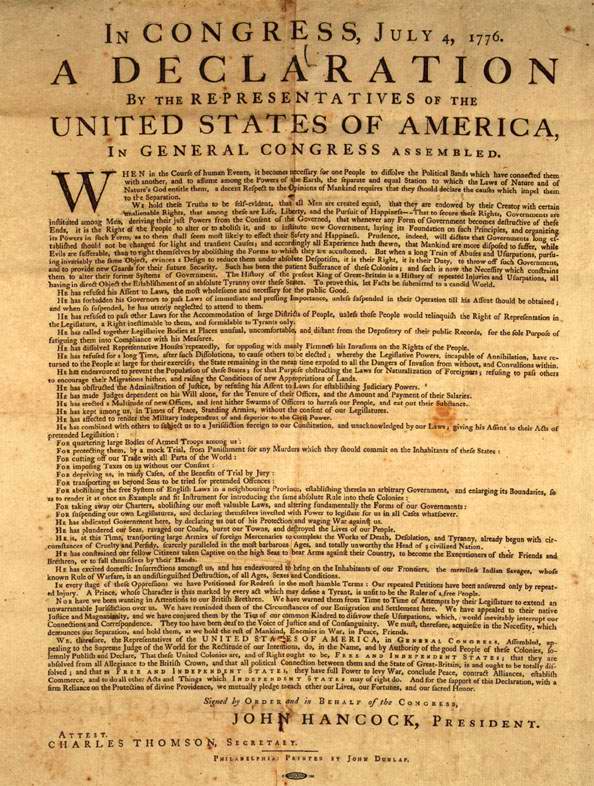
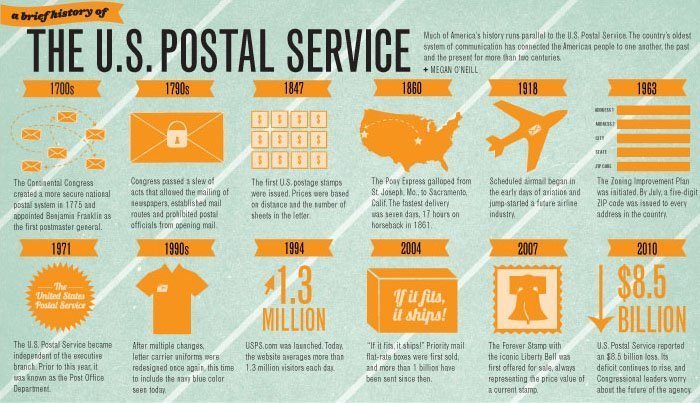
The postal system in what became the United States predates independence. On July 26, 1775, the Second Continental Congress established a postal system for the colonies and appointed Benjamin Franklin as the first Postmaster General. That move reflected a practical wartime need: fast, reliable communication was crucial for linking Congress, the Continental Army, and the colonies during the Revolutionary era.
The postal function was later embedded in the constitutional structure of the new nation. Article I, Section 8 of the Constitution gives Congress the power “to establish Post Offices and post Roads,” making mail service a permanent national responsibility rather than only a temporary revolutionary measure. In that sense, the early American postal system was designed not just to carry letters, but to help hold together a geographically spread republic through regular communication and public exchange.
The Postal Service Act of 1792: making the Post Office permanent (and protecting privacy)
A major early milestone is the 1792 postal law, often referred to as the Postal Service Act of 1792, signed on February 20, 1792, by George Washington.
Two provisions matter a lot for understanding how the Post Office shaped the country:
- Cheap newspaper delivery was deliberately encouraged because leaders believed that broad access to news would support an informed electorate.
- Mail privacy was protected early: opening mail was treated as a serious offense (with narrow exceptions), a principle that still influences how Americans think about sealed correspondence.
The 1800s: expansion, stamps, and a national communications grid
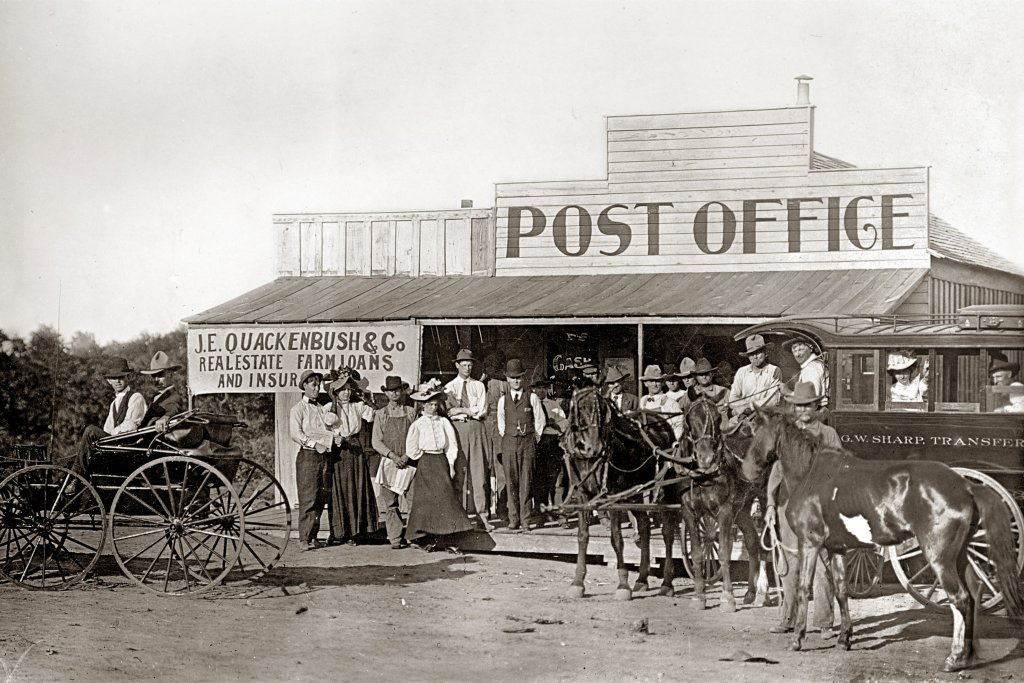
As the country expanded geographically, the postal network expanded with it—often functioning as an early “national infrastructure project” that connected remote towns to commerce and government.
Key 19th-century milestones:
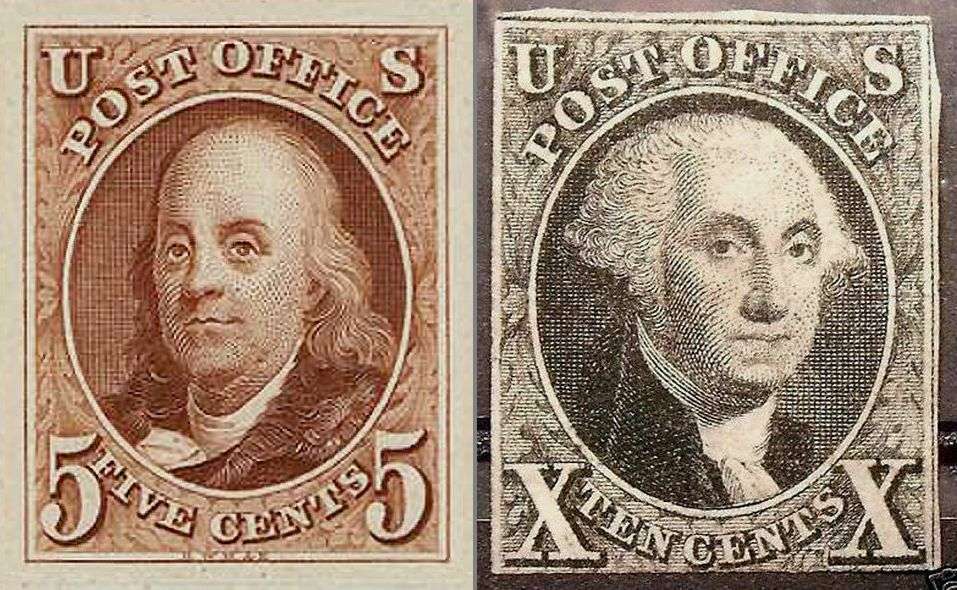
- 1847: First U.S. postage stamps. Congress authorized U.S. postage stamps on March 3, 1847; the first general-issue stamps went on sale July 1, 1847 (notably featuring Franklin and Washington).
- Post offices became community anchors—frequently the most reliable link between rural areas and national markets, politics, and news.
The early 1900s: rural delivery, parcel post, and air mail
The Post Office in the early 20th century didn’t just deliver letters—it helped reshape daily life and the economy.
Rural Free Delivery (RFD)
Rural Free Delivery began experimentally in 1896 and became an official service soon after, allowing many rural residents to no longer have to travel long distances to pick up mail.

Parcel Post
Parcel Post began on January 1, 1913, opening the door for nationwide parcel shipping through the postal network—an important step toward modern consumer delivery and mail-order commerce.
Air Mail
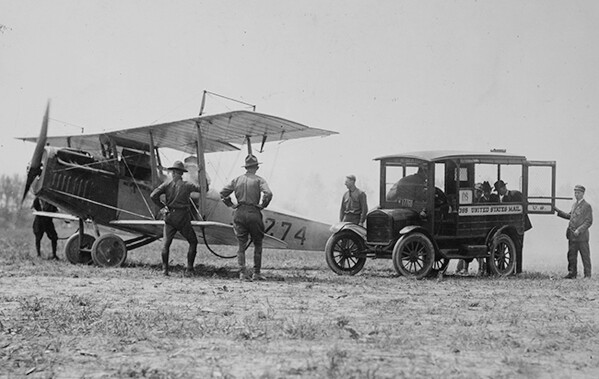
The first regularly scheduled Air Mail service began on May 15, 1918—a milestone not only for mail speed, but also for early U.S. aviation development.
ZIP Codes and automation: scaling the system for a bigger country
By the mid-20th century, mail volume and population growth pushed the Post Office toward mechanization.
- ZIP Codes (Zone Improvement Plan) were introduced in July 1963 to speed sorting and enable automation at scale.
ZIP Codes weren’t just a convenience; they were part of a broader operational transformation toward machine-readable addressing and automated processing.
The modern United States Postal Service was born: the Postal Reorganization Act of 1970
For most of U.S. history, the postal system was run by the cabinet-level Post Office Department. That changed after labor and operational crises in the 1960s, culminating in the Great Postal Strike of 1970 and the sweeping reorganization that followed.
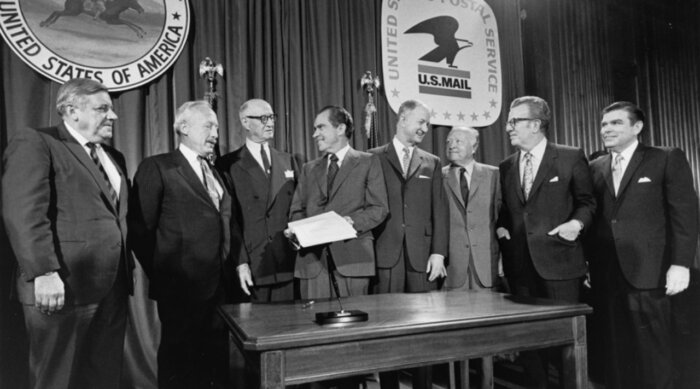
- The Postal Reorganization Act of 1970 was signed on August 12, 1970, replacing the Post Office Department with the modern United States Postal Service as an independent establishment of the executive branch.
- The modern USPS commenced operations on July 1, 1971.
That “independent establishment” phrasing is the start of the answer to your “their own government” idea—close in spirit, but not literally true (more on that below).
Are they “their own government”? Not exactly—but USPS is unusually independent
It’s more accurate to say the United States Postal Service is a federal entity with a business-like structure, not “its own government.”
What makes it feel separate:
- USPS is an independent establishment within the executive branch, rather than a typical cabinet department.
- USPS is governed by a Board of Governors that functions like a corporate board of directors (and USPS itself uses that comparison).
- The Board’s structure is defined in federal law (Title 39), including presidential appointment and Senate confirmation for governors.
What keeps it firmly inside government:
- USPS is created by federal statute, must follow federal law, and remains subject to congressional authority (including what services it must provide and the rules under which it operates).
So: not a separate government, but a legally distinct kind of federal agency designed to run continuously and operationally at a national scale.
The “Mail Police”: subpoenas, warrants, and arrests for mail crimes
Yes—there really is a postal law enforcement function, and it’s more than just security guards at post offices.
The U.S. Postal Inspection Service (postal inspectors): The U.S. Postal Inspection Service is the primary federal law enforcement arm responsible for protecting the mail system from criminal misuse.
According to USPIS, postal inspectors are federal law enforcement officers who can carry firearms, make arrests, execute federal search warrants, and serve subpoenas. That subpoena/warrant authority is also spelled out in federal law. Under 18 U.S.C. § 3061, postal inspectors (and other designated USPS agents) may, as authorized, “serve warrants and subpoenas issued under the authority of the United States” and make arrests under defined conditions.
**So your “Mail Police can deliver subpoenas and arrest warrants” point is basically right—**with the important clarification that it’s performed by federal postal inspectors / designated agents, not regular mail carriers.
Mail theft: Can they arrest people who steal mail?
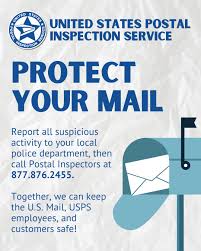
Yes. Mail theft is generally a federal crime, and postal inspectors investigate and arrest suspects. For example, 18 U.S.C. § 1708 covers theft/receipt/possession of stolen mail and provides for penalties including up to five years’ imprisonment (and fines) for covered conduct.
Why USPS isn’t usually affected by federal government shutdowns
Here’s the clean, fact-checked version:
- USPS has publicly stated that its operations “will not be interrupted” by a federal government shutdown and that Post Offices will remain open “business as usual,” largely because USPS is an independent entity, generally funded through the sale of its products and services rather than tax dollars.
- Reporting on shutdown impacts commonly notes that mail delivery continues because USPS is self-funded.
One nuance that prevents confusion: a shutdown is different from scheduled closures (like federal holidays). USPS can pause delivery for holiday observances even though it continues to operate during funding shutdowns.
The future of you mail
The USPS is likely to evolve into a more modern delivery and logistics network as traditional letter mail continues to decline and package shipping remains increasingly important. Under its official Delivering for America plan, USPS says it is modernizing its transportation network, processing operations, and facilities to improve service and strengthen long-term financial sustainability.
A major part of that future will be physical modernization. USPS has said it plans to acquire 106,000 new delivery vehicles by 2028, including at least 66,000 electric vehicles, along with the charging infrastructure needed to support them. These changes point to a Postal Service that will be more automated, more energy-efficient, and more focused on parcel delivery while still maintaining its nationwide public-service role.
Final thought: USPS as infrastructure + law enforcement + continuity
he core idea has stayed the same even as the Postal Service’s role has changed over time. USPS says its mission is to “bind our nation together” through universal service, and that mission has taken different forms in different eras: in 1775, it helped move information across the colonies during the Revolutionary period, and in 1896, Rural Free Delivery extended regular mail service more directly to rural Americans. Today, that same national role increasingly includes providing an affordable, universal delivery network that supports communication, commerce, and access across the country.
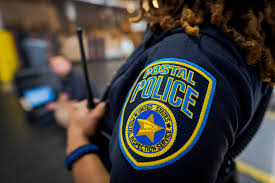
The Postal Service is easy to overlook because it is so familiar, but it remains a major national system. Historically and today, it functions as a communications network, a physical delivery infrastructure, and a logistics backbone that reaches every community. It is also protected by a real federal law enforcement arm: the U.S. Postal Inspection Service, which states that Postal Inspectors are federal law enforcement officers, and it oversees Postal Police Officers as part of that security structure.

 Realizations with Tiffany K. Charles
Informative blog, I never really knew about the postal police.
LikeLike