
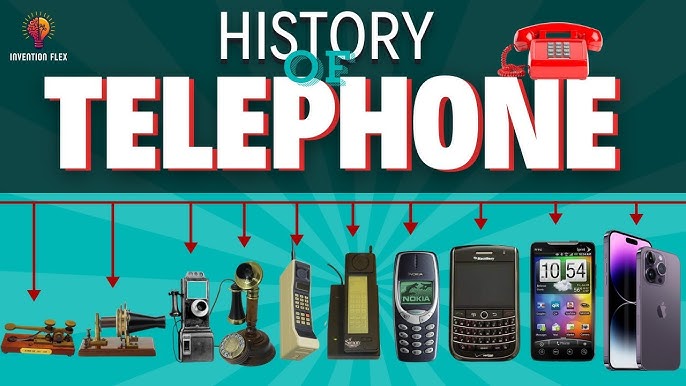
Remember when you had to share the home phone with EVERYONE!!!!! When you had to wait until our mom got off the phone with your aunts and uncles gossiping about the latest political nonsense or the most recent family gossip? Or your sibilinings talkin about absolutely nothing you care to hear? Or your Dad chopping it up with his buddies about sports or job-related bs? Just to get the phone and have only 15 mins to talk before dinner was ready… I’m sure you do, but now it all seems like a distant memory.
It’s hard to imagine a world without phones. Whether it’s calling a friend, joining a Zoom meeting, or scrolling through social media on a smartphone, communication today feels instant and effortless. But the journey from Alexander Graham Bell’s first telephone to the sleek, wireless devices we carry today is one of innovation, persistence, and connection—quite literally. It’s incredible how quickly we can reach someone nowadays and how quickly we receive the latest news and celebrity gossip. Or Amber Alerts to save a kidnapped or missing child, and severe weather alerts to stay safe.
The history of the telephone is a story of continuous innovation, transforming communication from a wired novelty into an ubiquitous, multifunctional device that is a cornerstone of modern life. This evolution, driven by technological advancements and shifting human needs, has fundamentally reshaped how we interact with the world and each other. How we engage with our social lives and what we allow others to glimpse.
In this blog, we will explore the phone’s timeline and technological trail. From landlines to smartphones. From radio waves to wireless landlines to engaging in social media posts on the spot. You can learn and understand the technological miracle you hold in your hands every day. Was this advancement a mistake or a calculated move in the scientific world? Whatever the case, you will be well educated on the very thing you can not live without. Your cellphone. And with that being said, please reply stop if you do not wish to continue to receive text mgs from this number……..
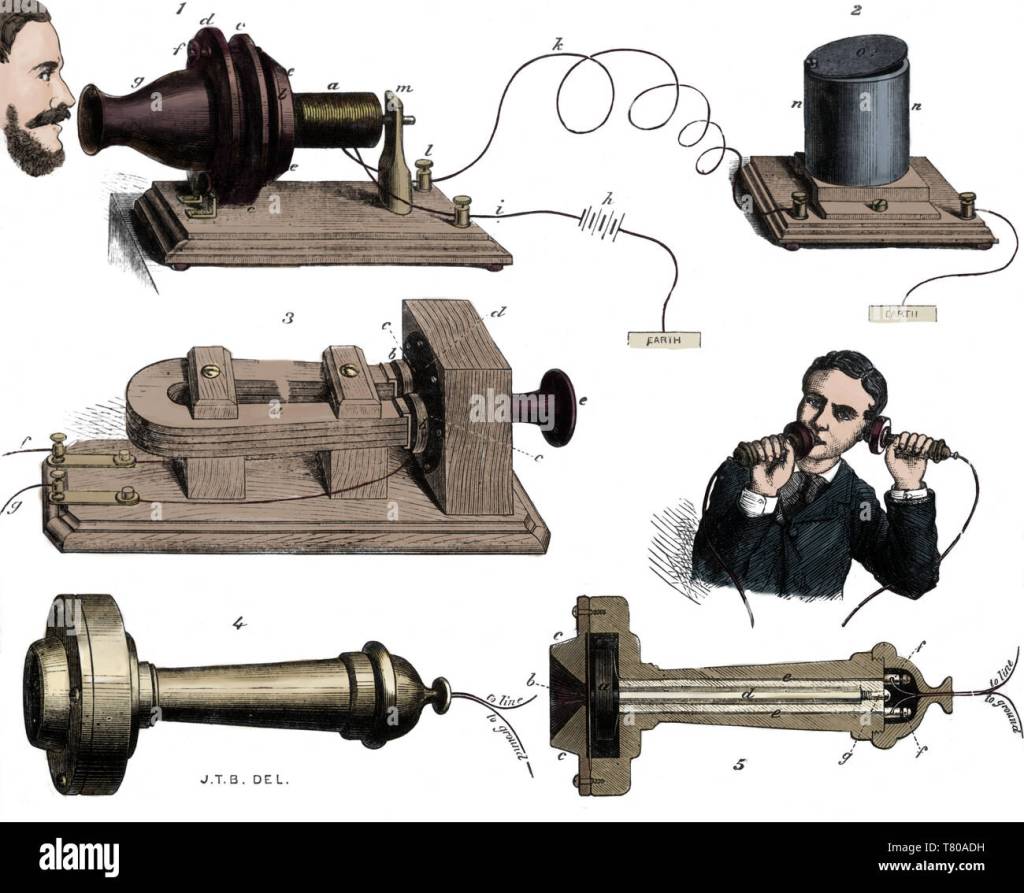
The Dawn of Voice Communication (Late 1800s – Mid 1900s)
The journey began with the invention of the telephone in 1876 by Alexander Graham Bell, who successfully transmitted speech electronically. Early telephones used dedicated wires and required manual switchboard operators to connect calls.
Key developments in this era included:
- Automatic Exchanges: In the late 19th and early 20th centuries, automatic dialing systems (which use mechanical or electronic switching equipment instead of human operators) were developed, eliminating the need for operators and allowing users to dial numbers directly.
- Long-Distance and Transatlantic Calls: The first U.S. transcontinental telephone line was completed in 1915, and the first transatlantic calls, initially via radio waves and later more reliably via underwater cables, followed in the 1920s and 1950s, respectively.
- Technological Advancements: In the 1960s, touch-tone dialing (the use of buttons that send specific audio tones for each number) replaced slower rotary dials. The 1947 invention of the transistor at Bell Laboratories (a small semiconductor device that can amplify or switch electronic signals) made it possible to develop smaller, faster electronic components used in future mobile devices.
The Age of the Landline
For decades, landline phones were staples in homes and businesses. They connected people across towns, states, and oceans using a network of wires and poles. Even today, many modern internet connections, including DSL and some Wi-Fi variants, rely on this landline infrastructure. Old copper lines are still the backbone of digital connectivity. However, they are increasingly replaced by faster fiber-optic cables, which transmit data via light signals for better speed and reliability.

Rising Towers and Radio Waves
The next big leap came with the creation of cell towers and the use of radio frequencies. Instead of relying on physical wires, cell phones began sending and receiving signals through the air. Each cell phone converts voice and data into radio waves, which are then transmitted to the nearest cell tower.
How Cell Towers Work
Cell towers are the main structures supporting wireless networks. They are tall frameworks with antennas (for sending and receiving radio signals), transmitters (which send signals), and receivers (which pick up signals from mobile phones). These components together are called base stations, which manage wireless communication between the tower and users’ devices.
- Transmission: When a user makes a call or uses data, their device sends a radio signal to the nearest cell tower.
- The tower’s base station converts the radio signal received from mobile devices into digital data, known as backhaul. This backhaul data is sent over a wired, often fiber-optic, network to a switching center, which is a facility that directs calls or data to their intended destinations within the network.
- Connection: The switching center routes calls or data to their destination, which could be another mobile device or the internet.
- As you move around, your phone and the network work together to switch your connection smoothly from one cell tower to another. This process, known as a ‘handoff’ (when your call or data session moves from one tower to the next), ensures you stay connected without any noticeable interruption to your calls or data usage.
The Wireless Revolution and Cellular Network
The transition to mobile communication began with the first commercial mobile telephone service in 1946, which linked moving vehicles to the telephone network by radio. The real breakthrough, however, came with the development of cellular technology.
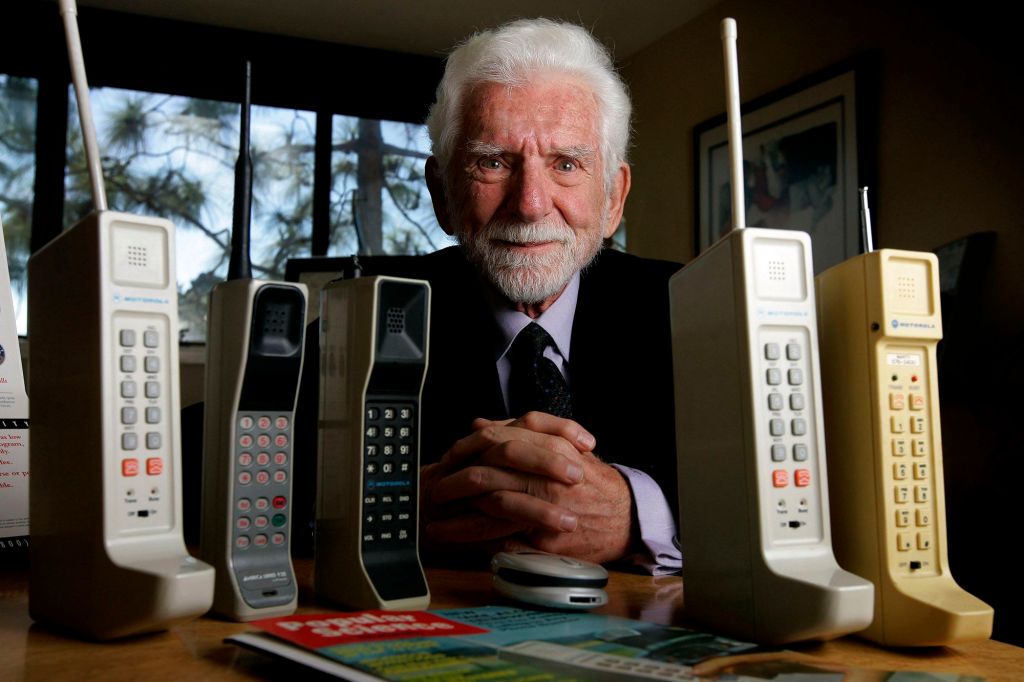
The First Cell Phones and the Rise of Carriers
In 1973, Motorola engineer Martin Cooper made the first handheld cell phone call. The first commercial handheld mobile phone, the Motorola DynaTAC 8000x (nicknamed “The Brick”), became available in 1983. Early mobile phones used 1G analog networks, primarily for voice calls.
The rise of these devices led to the establishment of major wireless carriers. Carriers, such as AT&T, Verizon, Sprint (no longer in existence), Nextel (no longer in existence), T-Mobile, MetroPCS, and Cingular (no longer in existence), lease space on towers built by tower companies like Crown Castle and American Tower. This process lets carriers provide network coverage.
The Era of “Paid Minutes” (1980s – Late 1990s)
Early cell phone service was a luxury, billed by the minute, often with separate charges for incoming and outgoing calls and a steep fee for every minute used outside a local area code.
- Per-minute Billing: Plans typically offered a small bucket of minutes (e.g., 20 or 30 minutes per month) for a high monthly fee, with significant overage charges.
- “Peak” vs. “Off-Peak” Hours: To manage network traffic, carriers introduced time-of-day pricing. Minutes used during business hours (“peak”) were more expensive than those used during evenings or weekends (“off-peak”).
- Roaming Charges: Using a phone outside of one’s home service area (roaming) incurred exorbitant extra fees.
Free Nights and Weekends (Late 1990s – Early 2000s)
As cell phone use became more mainstream and network capacity increased, carriers added competitive features to differentiate their services and encourage adoption.
- Bucket Plans: Monthly minute allowances grew larger (e.g., 100, 300, 500 minutes).
- “Free Nights and Weekends”: This promotional strategy allowed subscribers to use unlimited minutes during specified evening and weekend hours (e.g., after 9 PM on weekdays and all weekend). This was a significant selling point and helped normalize longer mobile phone conversations.
- After nights and weekends, carriers offered unlimited calls to a user’s most frequently called numbers. Examples are ‘My Favorite 5’ or ‘Circle of Friends.’ Family plans also became available, offering pooled minutes for greater efficiency and value for households.
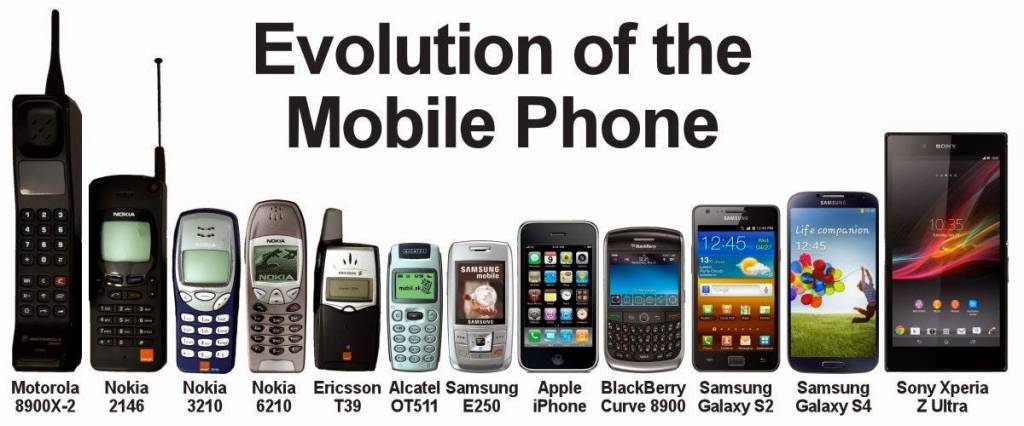
The Monthly Bill & the Shift to Data (Mid-2000s – Present)
The arrival of smartphones and mobile data usage changed the billing paradigm entirely. Voice minutes became a commodity, while data became the primary measure of usage.
- Unlimited Talk and Text: Voice calls and text messaging are now almost universally included in standard plans as unlimited features, effectively making them “free” add-ons to data services.
- Data-Centric Plans: Monthly bills are now primarily determined by the amount of data included (digital information sent/received by your phone, such as browsing, streaming, and app usage), available at various speeds (e.g., 5GB, 10GB, unlimited data).
- ‘Unlimited’ data plans are back to being standard. But after using a large amount of data, speeds may slow if the network is busy. This practice, called ‘deprioritization,’ helps manage traffic and ensures a fair allocation of bandwidth for all.
- Prepaid and No-Contract Options: The rise of Mobile Virtual Network Operators (MVNOs) and carrier competition has popularized flexible, no-contract prepaid plans, offering greater consumer choice and affordability without a long-term commitment.
The industry has shifted from nickel-and-diming every minute to a subscription model that prioritizes seamless connectivity and data access, reflecting the phone’s transformation into an all-in-one data-consumption device.
The Smartphone Era: Text, Internet, and Social Media
The evolution accelerated rapidly with the introduction of digital networks (2G) in the early 1990s, enabling the world’s first commercial text message in 1992. This capability transformed the phone from a purely voice device into a multipurpose communication tool.
The true revolution came when phones connected to the internet via 3G networks in the early 2000s, enabling mobile web browsing and email access.
Key advancements in the smartphone era:
- The First Smartphone: The IBM Simon, released in 1994, is widely regarded as the first smartphone, combining a phone with PDA features such as an address book, calendar, and email.
- The iPhone and the App Revolution: 2007 marked a pivotal moment with the introduction of Apple’s first iPhone. It integrated a touchscreen display, full internet access, a camera, and the ability to download millions of third-party applications, fundamentally changing mobile phone usage.
- The Rise of Social Media: With high-speed internet access (4G, then 5G) and apps becoming standard, social media platforms (such as Facebook, Twitter, and Instagram) became accessible 24/7 on the go, changing human interaction forever.
- Wi-Fi Integration: Modern smartphones seamlessly switch between cellular networks (provided by wireless carriers) and Wi-Fi networks (wireless internet connections, typically in homes or public locations) to provide cost-effective, high-speed data connectivity. This further blurs the lines between traditional communication methods and internet services like Voice over IP (VoIP), which makes phone calls over the internet rather than traditional phone networks.
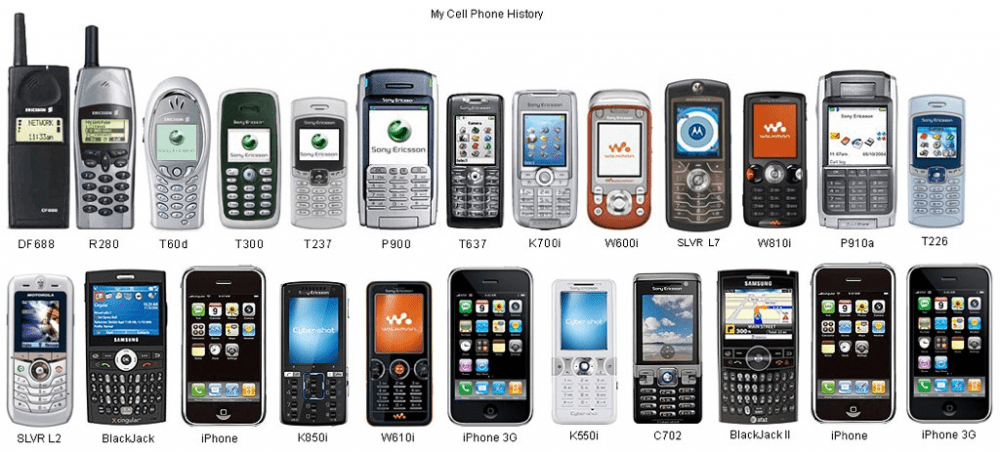
From Cell Phones to Smartphones
The first cell phones were large, heavy, and limited to basic calls. But as technology advanced, so did their capabilities. When smartphones emerged in the early 2000s, they combined calling, texting, cameras, and internet browsing into one small device. The introduction of 3G and 4G networks allowed people to stream music, share photos, and access information instantly. Then came 5G, making connections faster than ever before. The smartphone became more than a phone — it became a lifeline to the world.
Video Calls and Virtual Connections
As the internet evolved, communication took another leap forward: video calls. What once seemed futuristic—seeing the person you’re speaking to in real time —became part of everyday life. Platforms like FaceTime, Skype, and eventually Zoom made remote work, online learning, and virtual family gatherings possible. Especially during global events like the COVID-19 pandemic, video conferencing turned into an essential tool for staying connected and productive.
The Modern Web of Connection
Today, the telephone’s legacy lives on in every device that connects us. From wired landlines to wireless networks, from radio frequencies to fiber optics, each step in the telephone’s evolution built the foundation for the digital communication we depend on daily. Even our Wi-Fi and high-speed internet owe their existence to those original wired systems designed over a century ago. Wi-Fi adds another dimension to mobile connectivity, allowing users to access the internet without relying solely on cellular data, further illustrating the ongoing evolution of connectivity.
Final Thought:
The invention of the telephone wasn’t just about hearing another voice — it was about shrinking the distance between people. Every new tower, every new frequency, and every digital upgrade continues that mission. The telephone started as a simple connection between two people, but it has grown into a network that connects the entire world.
Today, the smartphone is a pocket-sized supercomputer, camera, and social hub, reflecting a remarkable journey from Bell’s initial “Gower-Bell Telephone” to a device that connects billions of people globally. The way consumers pay for cellular service has evolved dramatically alongside the technology itself, shifting from expensive, granular usage tracking to simplified, all-inclusive monthly subscriptions. This evolution reflects increasing network capacity, competition, and user demand for predictability and value.
 Realizations with Tiffany K. Charles