
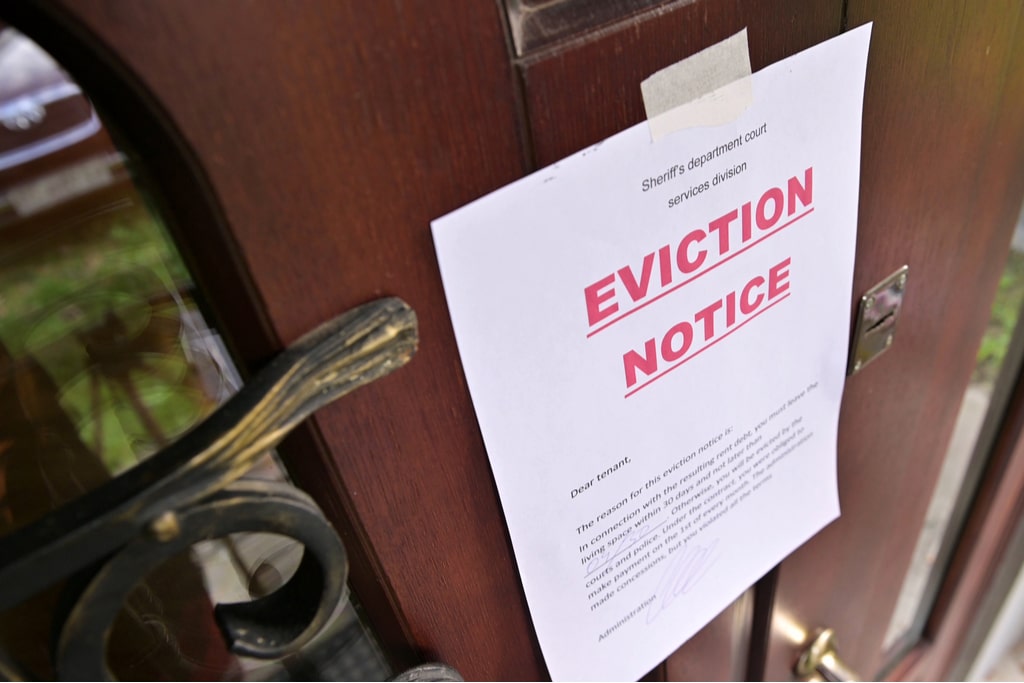
You are not alone, and there are steps you can take to address this issue. Eviction can turn your life upside down, especially when caring for children or older relatives. Even with careful planning, it can still happen, and you may have no choice but to follow the notice. When the sheriff arrives, your private challenges can quickly become public. You might feel like you’ve failed yourself and those who rely on you.
This blog supports you through uncertainty by providing clear steps for handling an eviction notice, including what to read, save, and who to contact, as well as guidance on the process, communication, and accessing legal aid. Find practical checklists, conversation guides, and court tips throughout.
Now, let’s outline what this blog offers: practical support during uncertain times. We guide you step-by-step through handling an eviction notice, including key actions to take. Remember, this happens to many people every day, and it’s not your fault. Life changes, but you can bounce back and take steps to prevent it from happening again.
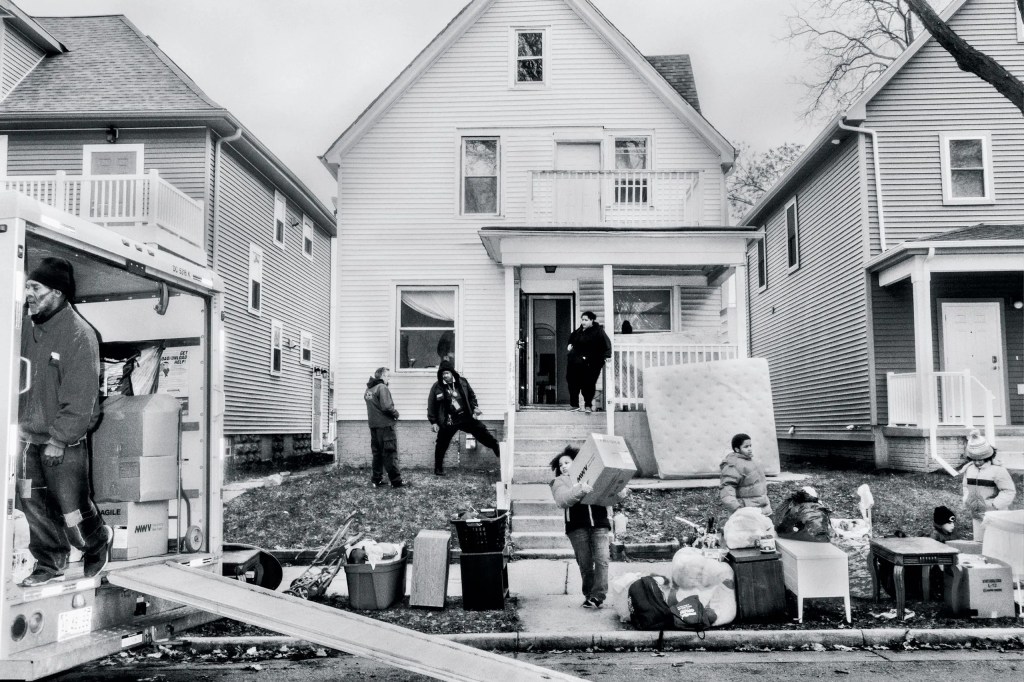
What eviction actually is (and isn’t)
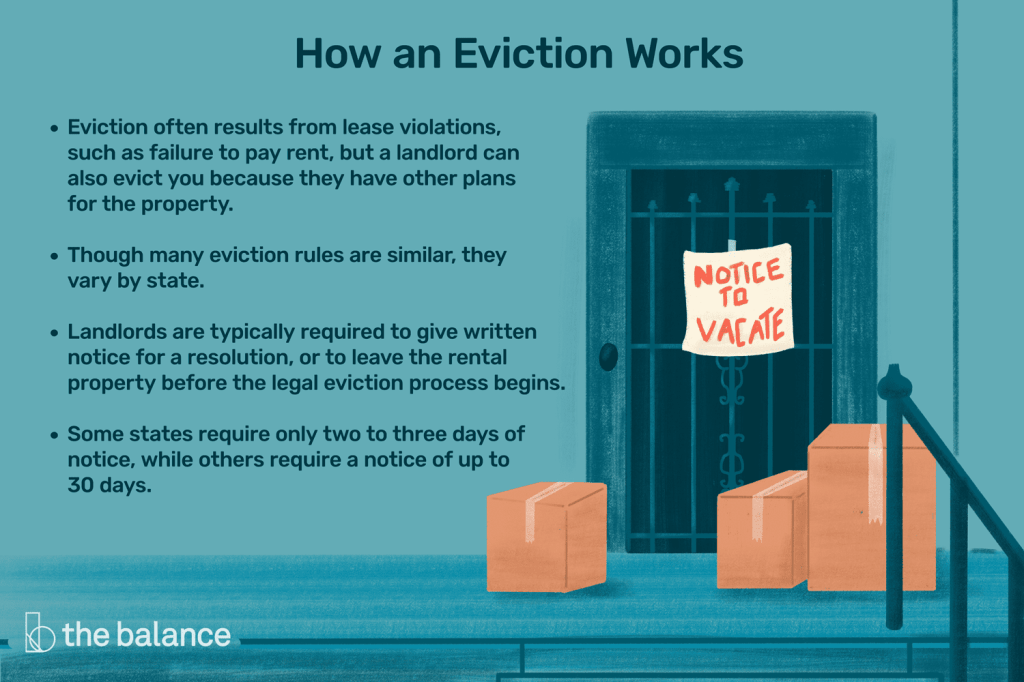
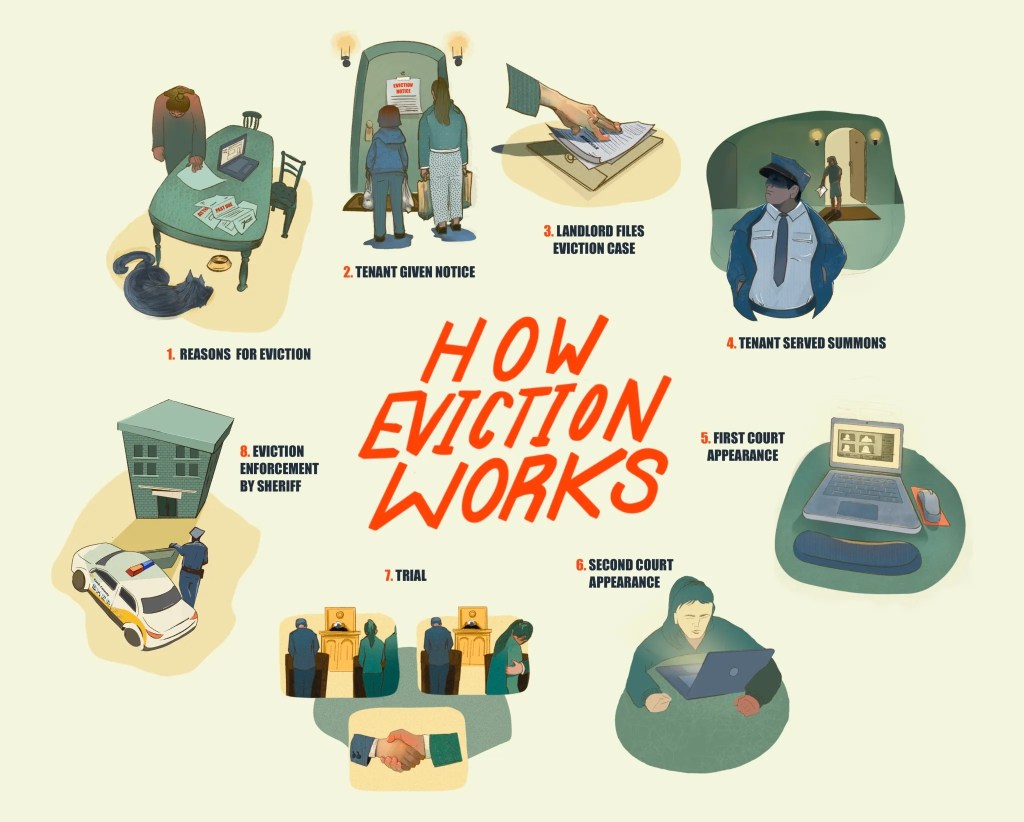
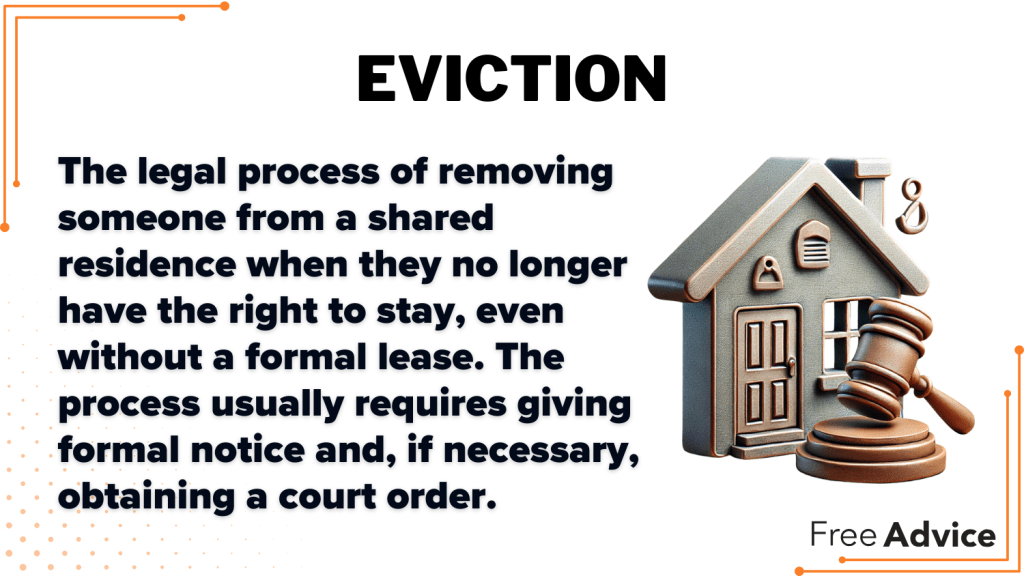
Eviction is a court process in which a landlord requests a judge’s permission to regain possession of a rental property. In most places, a landlord can’t just change the locks or shut off utilities—those “self-help” lockouts are typically illegal. The usual path: (1) written notice (often “Pay/Cure or Quit”), (2) court summons & complaint, (3) a hearing where both sides can be heard (often with same-day mediation), and if the landlord wins, (4) a judgment followed by a writ that the sheriff/enforcement carries out. Landlords generally cannot remove you without a court order. Consumer Financial Protection Bureau+3NJ Courts+3Consumer Financial Protection Bureau+3
Eviction rules vary by state, but the bones of the process look similar:
- Step 1: Written notice. Your landlord gives you a notice, often called “Pay/Cure or Quit” (a notice telling you to pay what you owe, fix a problem, or move out) or a “Notice to Quit” (a notice telling you to leave the property). The notice will include a deadline. If you do not resolve the problem by then, the landlord can file an eviction case. This is called an ‘unlawful detainer,’ which means the landlord is asking the court to order your removal because you stayed beyond the allowed time.
- Step 2: If an eviction lawsuit is filed, you will receive court papers, typically referred to as a “summons” or a “complaint,” along with a hearing date. A summons is a legal document that orders you to appear in court. A complaint is a document stating the landlord’s reasons for seeking eviction. Reply promptly, as deadlines can come quickly.
- Step 3: At your hearing, the judge will decide whether the landlord can regain possession of the property. Ask if you can use mediation on the same day. Landlords must have a court order to evict you.
- Step 4: If the landlord wins, the court gives a writ of possession (a court order authorizing law enforcement to remove you from the property) to law enforcement, who will carry out the eviction—not the landlord.
***** Note: The specific timeline and paperwork vary by state, so always read any notices or court papers you receive to know your exact deadline to respond and where to file them.
How to contest an eviction yourself (step-by-step)
- Read the summons and circle the deadline. Missing it can mean an automatic loss.
- File an “Answer.” Many courts have fill-in forms. List every defense that fits (bad/late notice, wrong rent ledger, serious repair issues, discrimination/retaliation, landlord accepted rent after filing, etc.).
- Ask for mediation or a continuance if you need time to get records, apply for rental aid, or find counsel.
- Bring evidence: payment receipts, bank statements, photos/videos, repair requests, texts/emails, inspection notes, witnesses.
- If you lose, ask the judge right away for time to move or a payment plan, and whether an eviction can be paused while rental assistance is pending.
- Get legal help quickly: search LawHelp/state legal aid; many guides and answer packets are available for free. Self-Help Guide to the California Courts+2Washington Law Help+2
Why does falling behind happen to good people all the time?
Housing costs vs. pay. Rents and other housing costs accelerated in recent years, leaving record numbers of renters cost-burdened (spending 30%+ of income on housing). Even as wage growth has improved recently, many households are still recovering from the price spikes earlier in the decade. Harvard Joint Center for Housing Studies+2Harvard Joint Center for Housing Studies+2
Thin emergency cushions. In the Federal Reserve’s latest survey, 63% of adults reported that they could cover a $400 emergency with cash or an equivalent—meaning the rest would borrow, sell something, or be unable to cover it. One surprise bill can easily become a missed rent payment. Federal Reserve+1
Resources to help you get back on track when facing Eviviton:
State-specific rules · Where can I find the exact eviction process and deadlines for my state?
- Start with your state judiciary’s self-help or landlord-tenant page. This list required notices, deadlines, and what to bring to court. For example, California’s guide shows notice timelines from 3 to 90 days and explains each step.
- Use LawHelp.org’s “Find Help” feature to quickly access your state’s tenant resources and forms. LawHelp
- Many courts run eviction diversion/mediation that can pause a case while you work out a plan—ask your clerk or check NCSC’s overview. National Center for State Courts

Legal aid access · What should I do if I can’t reach legal aid or if they have a waitlist?
- Try LSC’s directory (lists federally-funded legal aid by ZIP) and LawHelp.org (adds non-LSC providers and self-help forms). Legal Services Corporation+1
- Post a question to ABA Free Legal Answers (free online Q&A for civil issues like eviction; answered by lawyers in your state). ABA Free Legal Answers+1
- Ask your local court self-help center or a bar association lawyer for brief, low-cost advice or referrals to pro bono clinics. North Carolina Courts+1
- Call 2-1-1 to locate nearby legal clinics and rent/utility help while you wait. 211
Documentation · What if I don’t have all the documents or evidence needed for my defense?
- Bring what you can: photos/videos of conditions, texts/emails with the landlord, rent receipts/bank statements, inspection reports, witness statements—courts accept many kinds of evidence. Self-Help Guide to the California Courts+1
- Ask the judge for a short continuance if you need time to gather records or a translator; some states allow brief continuances for good cause. North Carolina Courts
- You can also request documents from your landlord through the court process (your local self-help page explains how). Example trial prep checklists: California Courts. Self-Help Guide to the California Courts
Emotional support · Are there resources for emotional or mental health support during eviction?
- Call or text 988 (24/7 national Suicide & Crisis Lifeline) for free, confidential emotional support. 988 Lifeline
- If abuse or safety is part of the housing situation, contact the National Domestic Violence Hotline (24/7: 1-800-799-SAFE, chat at thehotline.org). They can assist with safety planning and provide referrals for shelter. The Hotline+1
- SAMHSA’s Helpline (1-800-662-HELP) offers referrals for mental health/substance-use treatment. SAMHSA
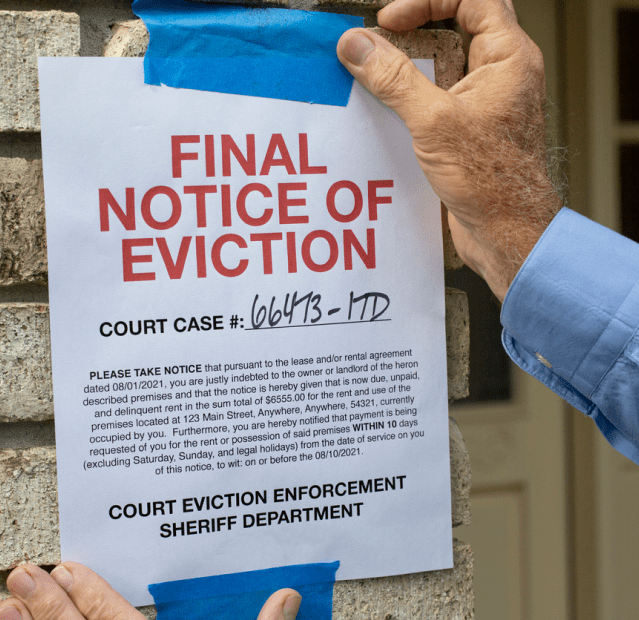
After eviction · What are my options if I am evicted and have nowhere to go?
Call 2-1-1 to connect to emergency housing, storage, transportation, and rental assistance options in your county. 211. Ask the court for more time to move (often called a “stay” or “hardship extension”)—available in many places right after judgment; local guides explain how. Self-Help Guide to the California Courts+2Illinois Legal Aid+2. Use HUD’s Find Shelter and your community’s Continuum of Care (CoC) to locate emergency shelters, housing programs, and case management. HUD+1
“Can I work and live in an extended-stay hotel?”
Many turn to extended-stay motels or hotels when deposits or credit checks are barriers. Know your rights: Some states treat long-term hotel residents as tenants with additional protections, while others have different rules (e.g., North Carolina provides protection to tenants after 90 days). Legal aid says extended stays often serve low-income families.
*** If you are staying in a hotel for an extended period and the property attempts to evict you without going through the court, contact legal aid immediately. Lockouts without a court order are often not allowed.
If you’re in crisis, here’s where to get help today
Housing & shelter (same-day options):
- HUD Find Shelter (enter your ZIP for shelters, food, health clinics, clothing). HUD.gov
- 211 (United Way) connects you to local rent/utility assistance, shelter, and transportation help—available in 99% of the U.S., 24/7, and in multiple languages. Dial 211 or search online. 211+2211+2
Food right now:
- Feeding America Food Bank Locator—enter your ZIP to find nearby food banks and pantry schedules (including mobile pantries). Feeding America+1
- USDA National Hunger Hotline—call 1-866-3-HUNGRY (M–F, 8am–8pm ET) for pantry referrals in your area. Food and Nutrition Service
Utilities:
- LIHEAP helps with heating/cooling bills; applications run through your state/local agency. Start at HHS’s LIHEAP page or USA.gov’s guide. Administration for Children and Families+1
Job help:
- American Job Centers (nearly 2,300 nationwide) offer free job search help, résumé support, training, and more—find one by ZIP. CareerOneStop+1
SNAP (“food stamps” ): how to qualify and apply
- Who qualifies (big picture): You must apply in the state where you live and meet income/resource rules. Generally, gross income (income before taxes) must be at or below 130% of the federal poverty line, and net income (after deductions) must be at or below 100%. Special rules apply to households with elderly/disabled residents. These financial limits update every Oct. 1. Food and Nutrition Service
- How to apply: Use the SNAP State Directory to jump straight to your state’s online or local office application. You can submit an application with basic information (name, address, and signature) to initiate the process, then complete the interview and verification steps. Food and Nutrition Service+1
- How fast? If you qualify for expedited service, benefits should arrive within 7 business days; otherwise, decisions are generally made within 30 business days. Social Security
- Where to use benefits: Most grocers and some online retailers accept EBT.

Practical, human steps:
Contact your landlord as soon as possible and put all communications in writing. Ask for a payment plan, a short-term rent reduction, or an extension of time to move. Keep copies of all your communications.. Save copies.
- Document unsafe conditions. Photos, videos, and repair requests count. Unsafe housing can be a defense; get legal advice before withholding rent. Mass.gov
- Do not accept a lockout. If your locks are changed without a court order, contact legal aid or non-emergency police; many states consider self-help lockouts to be illegal. California DOJ Attorney General
- File your Answer on time. Courts usually provide tenant answer forms—use these to state your defenses. Request mediation or a continuance if you need more time or assistance in gathering documents.
- Apply for help as soon as you can. Use 211, HUD’s Find Shelter, Feeding America, SNAP, LIHEAP, or an American Job Center. Any of these resources can help you get through the month.
Starting over: a short checklist–
- Tonight: Use Find Shelter and 211 to locate an open shelter and any emergency transportation or utility assistance. HUD.gov+1
- Tomorrow: Visit a food bank; apply for SNAP (ask about expedited service). Feeding America+1
- This week: File your Answer before the deadline; ask for mediation; contact legal aid; visit an American Job Center for job leads or training. Self-Help Guide to the California Courts+1
- Next week: Connect with your local Continuum of Care (CoC) for rapid rehousing and case management. HUD.gov
Final thought:
If you are facing eviction, remember it is not a personal failure. Often, it is the result of circumstances beyond your control. Take the next step you can: open the papers, mark the deadline, file your answer, call 211, apply for SNAP, and ask for mediation. Small actions add up, and you have a network of neighbors, legal aid, case managers, and job centers whose job is to help you get back on your feet.
Eviction is often a result of circumstances beyond your control. Take time to review your notice, mark the deadline, and file your response. If uncertain, ask the court clerk for guidance. Request mediation. You are not alone. Reach out for legal aid, housing help, food banks, and job centers. Even if you are in temporary housing, take each step. Support is available at every stage.
***** If you’re overwhelmed right now
- 988 Suicide & Crisis Lifeline (24/7): call or text 988, or chat online to reach trained counselors. It’s free and confidential. 988 Lifeline+1
- Crisis Text Line (24/7): text HOME to 741741 for immediate support by text. Crisis Text Line+1
- If home feels unsafe due to a partner or family member, the National Domestic Violence Hotline (24/7) is 1-800-799-SAFE (7233) or chat at thehotline.org. The Hotline+1
- If you’re in immediate danger, call 911.
Talk to someone this week.
NAMI HelpLine: 800-950-NAMI (6264), text NAMI to 62640, or email (Mon–Fri, 10am–10pm ET). They’ll help you find local support groups and resources. NAMI+1
 Realizations with Tiffany K. Charles
This is very informative and helpful, especially in today’s economy.
LikeLike