

The United States Constitution stands as a cornerstone of American democracy, defining the nation’s political structure and serving as a guiding principle for the nation. Drafted in 1787 and ratified the following year, it emerged during a pivotal moment in history, providing a durable framework for governance rooted in liberty, justice, and self-determination.
This blog examines the origins of the Constitution, its foundational design, and the enduring influence it continues to exert on both the United States and democratic movements worldwide. As one of the most influential legal documents in history, the Constitution remains a powerful symbol of freedom and the rule of law.
The Creation of the Constitution
Historical Context
Following independence from Britain in 1783, the United States operated under the Articles of Confederation. This system granted most power to the individual states and left the central government notably weak. This structure proved inadequate for addressing key national concerns, including interstate commerce, national defense, and taxation.
To address these issues, delegates from 12 of the 13 states convened in Philadelphia in May 1787 for the Constitutional Convention. Although initially intended to amend the Articles, the delegates soon chose to draft an entirely new governing document. The resulting Constitution established a stronger federal system designed to unify the states, incorporate a system of checks and balances, and safeguard individual rights.
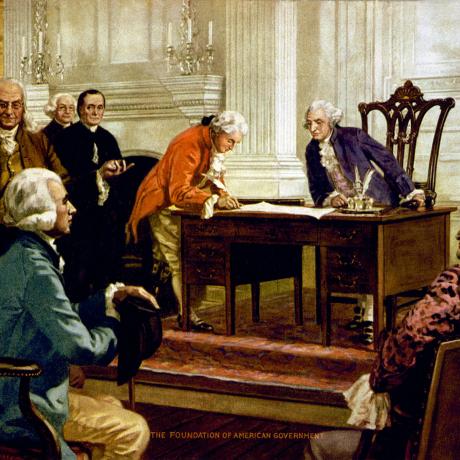
The Philadelphia Convention
Led by George Washington, who was elected president of the convention, the delegates included prominent figures like James Madison, Alexander Hamilton, Benjamin Franklin, and Roger Sherman. These men brought different ideas and regional interests but shared a desire to create a more effective and unified national government.
The convention debates lasted from May to September 1787. Key issues included:
- Representation in Congress: Resolved by the Great Compromise, which established a bicameral legislature (House and Senate).
- Slavery: Contentious debates led to compromises like the Three-Fifths Compromise, where enslaved people would be counted as 3/5 of a person for representation and taxation.
- Executive Power: Led to the creation of a single President with limited powers and checks by other branches.
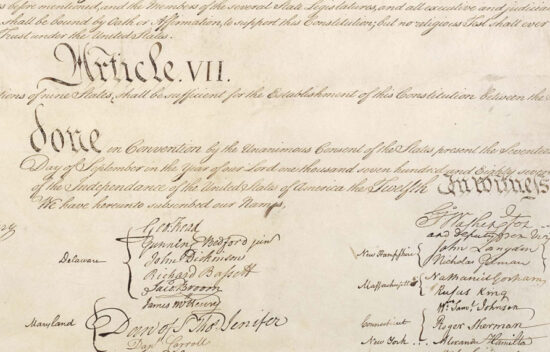
The final document was signed on September 17, 1787, by 39 of the 55 delegates present.ptember 17, 1787, by 39 of the 55 delegates present.
Structure and Key Principles
The Constitution is concise yet powerful, comprising a preamble, seven articles, and subsequent amendments. The preamble famously begins with “We the People,” emphasizing that power ultimately resides with citizens. Key principles embedded within the Constitution include:
Checks and Balances: Allowing each branch to limit the powers of the others, preventing tyranny.
Separation of Powers: Dividing government into three branches—Legislative, Executive, and Judicial—ensures no single branch can dominate.
Federalism: Balancing authority between national and state governments.

Design and Structure of the Constitution
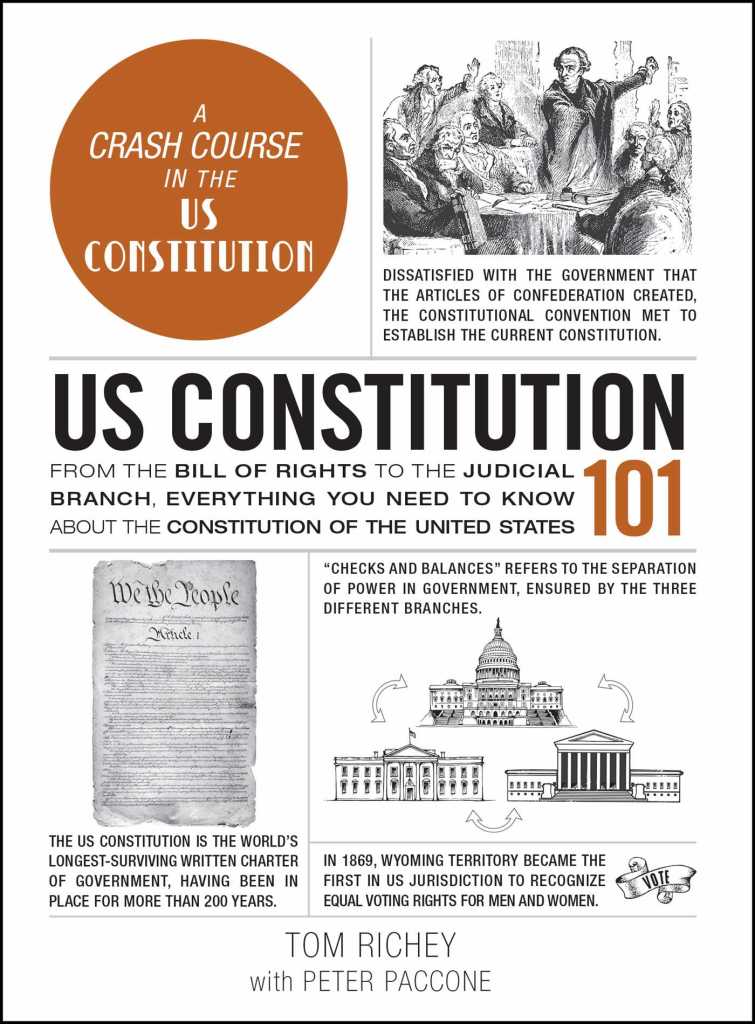
The Constitution is a relatively short but powerful document. It consists of a Preamble, seven Articles, and 27 Amendments.
The Preamble
“We, the People of the United States, in Order to form a more perfect Union…”
This opening statement emphasizes the idea of popular sovereignty—the authority of the government comes from the people.
The Seven Articles
- Article I – Legislative Branch: Establishes a bicameral Congress (House of Representatives and Senate) and outlines its powers.
- Article II – Executive Branch: Describes the presidency, election process, powers, and responsibilities.
- Article III – Judicial Branch: Establishes the Supreme Court and authorizes Congress to create lower federal courts.
- Article IV – States’ Powers and Limits: Addresses the interactions, responsibilities, and federal-state relationship of states.
- Article V – Amendment Process: Provides a way to amend the Constitution.
- Article VI – Supremacy Clause: Declares the Constitution the “supreme Law of the Land.”
- Article VII – Ratification: Details how the Constitution would be ratified.
The Amendments
The Bill of Rights (the first 10 amendments, ratified in 1791) guarantees fundamental rights like freedom of speech, religion, due process, and protection from unreasonable searches.
Subsequent amendments have addressed:
- Civil rights (13th, 14th, 15th)
- Voting rights (19th – women’s suffrage, 26th – 18-year-old vote)
- Presidential terms and succession
- Prohibition and its repeal
The most recent amendment, the 27th, was ratified in 1992 and addresses congressional pay changes.
Key Principles of the Constitution
The Constitution was built on several fundamental principles:
- Popular Sovereignty: Power resides with the people.
- Federalism: Government power is divided between national and state governments.
- Separation of Powers: Divides government into three branches to prevent abuse.
- Checks and Balances: Each branch can limit the power of the others.
- Limited Government: The government must operate within the bounds of the Constitution.
- Judicial Review: Established later in Marbury v. Madison (1803), allowing courts to strike down unconstitutional laws.
Ratification and the Federalist Papers
Ratifying the Constitution was not guaranteed. It required approval from 9 of the 13 states. Fierce debates arose between:
- Federalists (supporters of the Constitution): Argued for a strong central government.
- Anti-Federalists (opponents): Feared centralized power and demanded protections for individual rights.
To sway public opinion, The Federalist Papers—a series of essays by Hamilton, Madison, and John Jay—argued for ratification. These writings remain a critical source for interpreting the Constitution.d John Jay—argued for ratification. These writings remain a critical source for interpreting the Constitution.
The Constitution’s Legacy
The U.S. Constitution has endured for over two centuries, guiding the country through war, civil rights struggles, and immense social change. It remains:
- The oldest written national Constitution still in use
- A model for other democracies around the world
- A living document, thanks to its ability to be amended and interpreted over time
It is both a legal document and a symbol of American ideals.
A living Document
One of the Constitution’s greatest strengths is its flexibility. It can evolve through amendments and judicial interpretation. The Supreme Court plays a pivotal role in interpreting constitutional principles in light of contemporary issues. This adaptability has allowed the Constitution to remain relevant and authoritative, guiding America through profound societal transformations.
Final Thoughts
The U.S. Constitution emerged from a pivotal moment in history,
Shaped by necessity, rigorous debate, and thoughtful compromise. Crafted to establish a stable yet flexible government, it embodies the core values of democracy and liberty. More than two centuries later, it remains a cornerstone of American identity and law, influencing every aspect of public life.
Far from being a relic of the past, the Constitution is a living document—continually interpreted and reinterpreted in response to evolving societal needs. Ongoing debates over federal authority, civil rights, and social justice highlight its enduring relevance. For citizens, a clear understanding of the Constitution is essential to informed civic engagement and responsible participation in democracy.
Ultimately, the Constitution serves not just as a legal foundation but as a dynamic blueprint for the nation’s growth. Its resilience and adaptability reflect the vision of its framers and continue to guide the United States toward its ideals of freedom, equality, and justice.

 Realizations with Tiffany K. Charles