
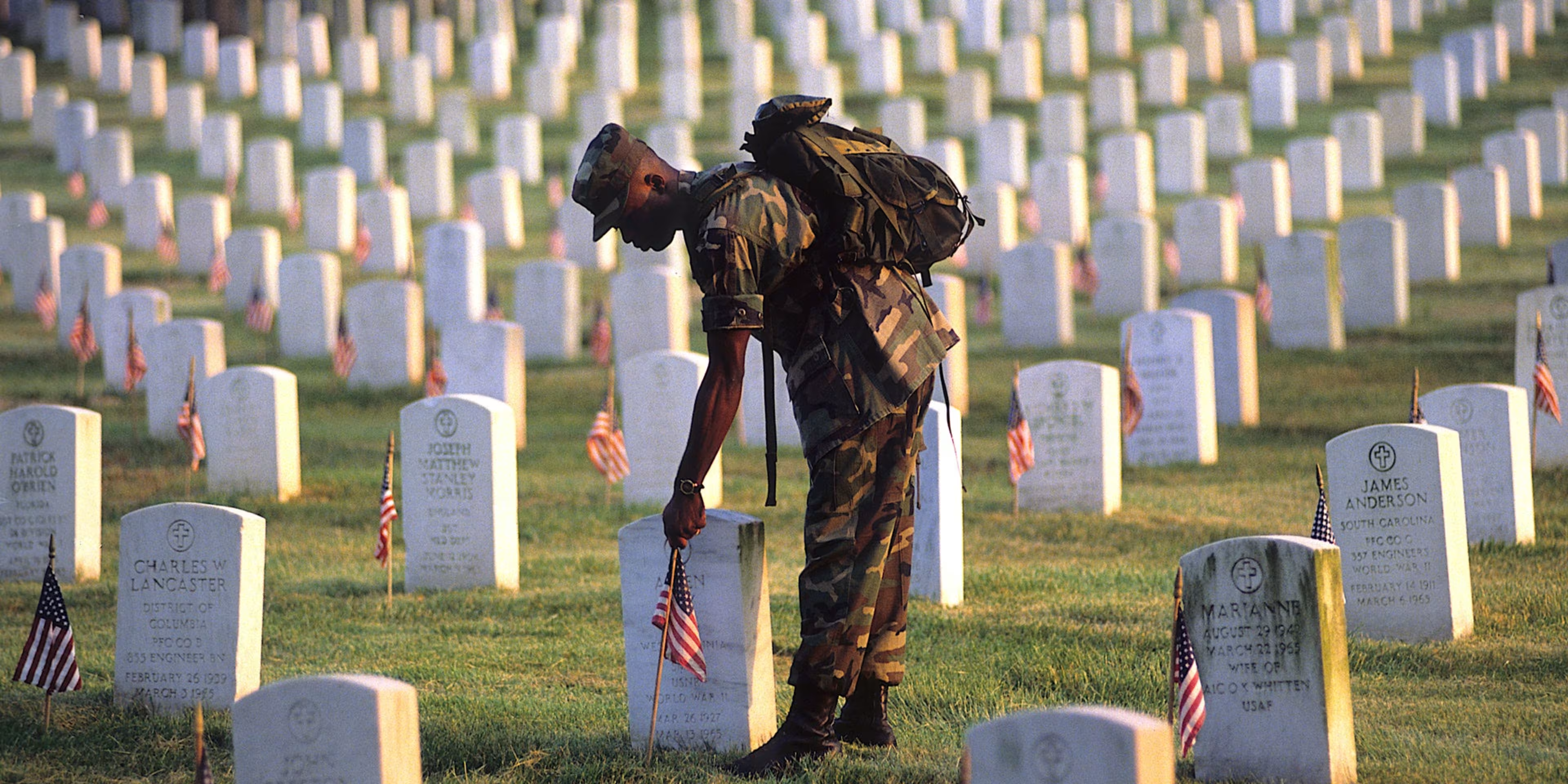
Memorial Day is a profoundly significant American holiday, dedicated to honoring and remembering those who gave their lives in military service. It serves as a solemn reminder of the ultimate sacrifice made by countless men and women in defense of the nation. Although Memorial Day is now widely recognized for its association with barbecues, parades, and family gatherings, these modern customs can sometimes overshadow its original intent. The traditions we observe today often reflect a blend of commemoration and celebration.
The holiday is observed annually on the last Monday in May, providing Americans with a designated time to pause and reflect. This long weekend has become a moment for individuals and communities to express their gratitude through ceremonies, visits to cemeteries, and moments of silence. Beyond the festivities, Memorial Day’s deeper purpose lies in fostering remembrance and reflection. It encourages citizens to acknowledge the cost of freedom and to show appreciation for those who made the ultimate sacrifice in service to their country.
In this blog post, you will be educated on the history of the holiday, the origins of why we honor the fallen, and the traditions we follow. So the next time you see a soldier serving, retired, or even buried, just remember the sacrifices they made for us to maintain our freedoms while we sleep, shop, and carry on throughout the day. Give thanks and show gratitude for those who gave their lives, no matter the shade of their skin they have. Every part played is a significant part.
A Brief History
Originally known as Decoration Day, Memorial Day traces its origins to the years following the American Civil War. It was first widely observed on May 30, 1868, when General John A. Logan, commander-in-chief of the Grand Army of the Republic, designated the day for decorating the graves of fallen soldiers with flowers. May 30th was specifically selected because it did not coincide with any particular battle anniversary, symbolizing the universality of sacrifice and loss.
Over the years, the observance evolved. After World War I, Memorial Day expanded to honor American military personnel who died in all wars. In 1971, Congress officially declared Memorial Day a national holiday to be observed on the last Monday in May, creating a three-day weekend that continues to this day.

Honoring Sacrifice
The heart of Memorial Day lies in its mission: to remember those who made the ultimate sacrifice. These are individuals who, in moments of duty and courage, placed the welfare of the nation above their own. Their service spans generations, from the battlefields of Normandy and the rice paddies of Vietnam to the deserts of the Middle East and beyond. Memorial Day is not about glorifying war—it is about honoring those who served with valor and selflessness. Their sacrifice is a solemn reminder of the cost of freedom and the responsibilities that come with it.
How We Remember
Across the country, Memorial Day is observed in a variety of ways:
National and Local Ceremonies: Wreath-laying ceremonies are held at national cemeteries, especially Arlington National Cemetery, where a flag is placed on each gravestone.
The National Moment of Remembrance: At 3 p.m. local time, Americans are encouraged to pause for one minute to remember and honor those who died in service.
Flags and Flowers: Many visit cemeteries and memorials, placing flowers or small American flags on graves.
Community Events: like parades, memorial runs, and educational gatherings help younger generations remember the true meaning of the holiday.

A Personal Reflection
Memorial Day invites each of us to reflect on our own connection to those who served. Whether you come from a military family, have friends in the service, or simply wish to honor those you’ve never met, this day is an opportunity to come together in shared respect. Take a moment to learn the story of a fallen soldier. Volunteer with a veterans’ organization. Teach your children the importance of remembrance. These small actions keep the spirit of Memorial Day alive—not just for a weekend, but all year long.
Final Thoughts
While modern practice places Memorial Day conveniently at the end of a long weekend, understanding its origin as Decoration Day and its historical observance on May 30 enriches our appreciation of this significant American holiday. Honoring its authentic roots ensures that Memorial Day remains not just a marker of seasonal transition, but also a profound reminder of sacrifice, unity, and national gratitude.
As we enjoy the freedoms and privileges of life in the United States, let us remember that they come at a cost. Memorial Day is not only a time for celebration—it is a collective call to honor, an opportunity for each of us to express our gratitude to those who can no longer hear our words. Let us remember. Let us be grateful. And let us never forget. Our shared history is a testament to the sacrifices made for our freedoms, and we must keep their memory alive.

 Realizations with Tiffany K. Charles