
No matter how significant the former changes were or how they affected your life in the past, they are no longer in effect. Whether you agree with the old policies or the new ones, one thing is for sure: change is inevitable. You can either resist it and remain stuck in the nostalgia of the so-called “good old days,” or you can embrace it and find yourself exactly where you need to be—in the future. But not all changes benefit everyone. Not all change is good change, but nonetheless, change is bound to happen.
Diversity, Equity, and Inclusion (DEI) initiatives have become central to discussions in corporate America, education, and government institutions. Proponents argue that these programs foster fairness and expand opportunities, while critics caution against potential unintended consequences. As DEI policies continue to shape workplaces and communities, the broader debate over their role in democracy and social progress intensifies. Once considered corporate jargon, DEI has evolved into a vital framework for fostering innovation, improving organizational success, and promoting inclusivity. Businesses, schools, and communities increasingly recognize its value in advancing diverse perspectives and equitable opportunities.
However, ongoing discourse about the effectiveness and future of these initiatives underscores the complexities of balancing inclusion with differing viewpoints on policy and implementation. In this blog post, we will break down what DEI policies are, who they benefit, and who may be left behind. You will be encouraged to think critically and form your own opinion about what works and what doesn’t. Either way, you will be informed and more aware of what is unfolding in this country. So, let’s get ready to pull out those Constitutions and copies of the Bill of Rights. Take out your copy of local laws, and let us embark on this legal journey of understanding the DEI rollback.
Understanding DEI
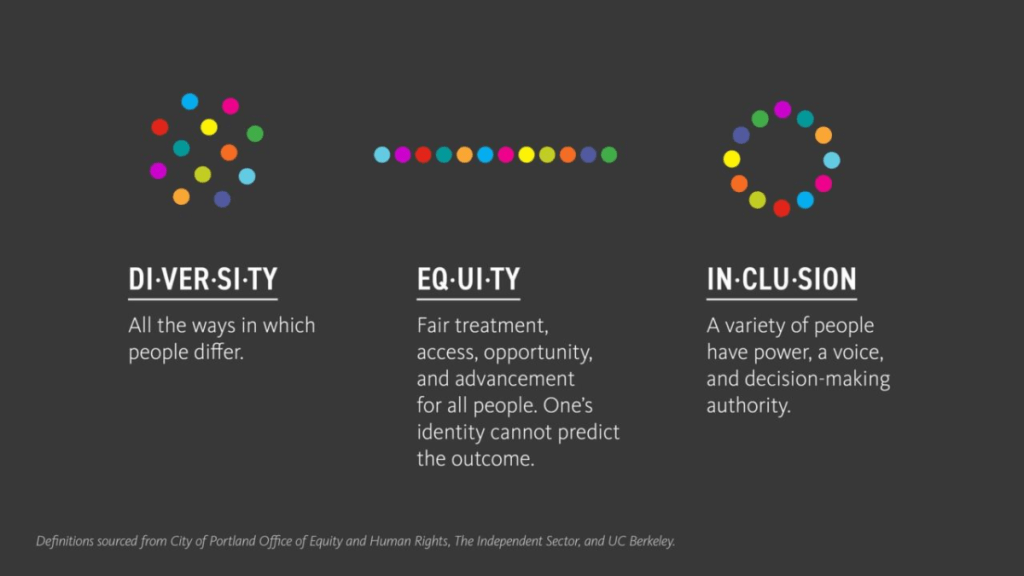
Diversity refers to the presence of differences within a given setting, including race, gender, age, sexual orientation, disability, socioeconomic background, and other unique characteristics. A diverse environment encourages multiple perspectives, leading to more decadent ideas and more significant innovation. Equity ensures fair treatment, opportunities, and advancement for all individuals while working to eliminate systemic barriers that have historically marginalized certain groups. Unlike equality, which provides the same resources to everyone, equity considers different starting points and needs, aiming to create balanced outcomes. Inclusion is the practice of fostering environments where individuals feel welcomed, respected, and valued, enabling full participation without fear of discrimination or exclusion.
The Business Case for DEI
DEI initiatives are not just ethical imperatives; they also drive business success. Research indicates that diverse teams are more innovative, make better decisions, and outperform less diverse teams. Companies with firm DEI commitments attract and retain top talent, enhance employee satisfaction, and bolster brand reputation.
Key benefits of DEI in business include:
- Increased Innovation: Diverse perspectives lead to more creative solutions.
- Improved Decision-Making: A variety of viewpoints results in more well-rounded decisions.
- Higher Employee Engagement and Retention: Inclusive workplaces improve morale and reduce turnover.
- Enhanced Brand Reputation: Companies prioritizing DEI are more appealing to consumers and clients.
Implementing DEI
Organizations and communities can integrate DEI through various strategies, including the following:
- Leadership Commitment: Executives must actively promote DEI and embed inclusion into workplace culture.
- Education and Training: Programs on unconscious bias, cultural competency, and inclusive leadership raise awareness and inspire meaningful action.
- Equitable Hiring Practices: Transparent recruitment and promotion processes ensure fair access to opportunities.
- Employee Resource Groups (ERGs): These groups provide support, networking opportunities, and advocacy for diverse employees.
- Measurable Goals and Accountability: Establishing clear benchmarks and tracking progress ensures continuous improvement.
The Debate Over DEI Policies
Despite its advantages, DEI has faced increasing opposition in the political and corporate spheres. Some governments, universities, and businesses have begun scaling back DEI programs, citing concerns such as:
- Allegations of Reverse Discrimination: Critics argue that DEI policies may prioritize race or gender over merit.
- Political Controversy: Some believe DEI initiatives advance ideological agendas rather than ensuring fairness.
- Administrative Costs: Opponents contend that DEI programs can be expensive and inefficient.
However, supporters caution that eliminating DEI initiatives could have significant repercussions:
- Reduced Opportunities for Marginalized Groups: Without DEI, fewer policies may ensure fair hiring, admissions, and workplace inclusion.
- Reversal of Diversity Gains: Studies show that DEI programs have increased representation in schools and businesses.
- Increased Discrimination: Without structured initiatives, biases may go unchecked, leading to exclusionary environments.
Evaluating DEI Programs
Pros:
- Promotes equal opportunities and ensures merit-based access.
- Encourages diverse perspectives that drive innovation and creativity.
- Reduce discrimination and unconscious bias through training and policies.
- Improves workplace culture, employee satisfaction, and retention.
- Enhances financial performance by leveraging diverse talent.
- Supports legal compliance with anti-discrimination laws.
- Strengthens representation in leadership and decision-making roles.
Cons:
- Risk of tokenism if implemented superficially.
- Potential for resentment from those who perceive unfair advantages.
- One-size-fits-all policies may not address industry-specific needs.
- Implementation requires significant resources and commitment.
- It can be politically polarizing.
- There are concerns about prioritizing diversity over merit, though many programs emphasize both.
- Measuring success remains complex, and ineffective initiatives may not achieve intended goals.
The Broader Impact of DEI
Beyond the workplace, DEI plays a crucial role in shaping policies, education, and social structures. For example, DEI initiatives in education have improved access for underrepresented students, while corporate policies have enhanced workplace fairness and leadership diversity. As society evolves, embracing these principles is essential for long-term progress.
The Future of DEI in America
The long-term impact of DEI will depend on how these programs evolve. If implemented effectively, DEI could foster a more equitable society where diverse talent thrives. However, rigid or poorly executed policies may lead to further division and resentment, potentially undermining social cohesion.
Moreover, DEI initiatives will shape future generations’ perceptions of fairness and opportunity. If inclusivity is balanced with merit-based achievement, America could experience a renaissance of diverse talent. However, if DEI is seen as enforcing outcomes rather than fostering opportunities, it may erode confidence in institutions and governance.
DEI and Democracy
DEI policies intersect with democratic values in complex ways. They aim to create a more representative society, aligning with principles of equal opportunity. However, if implemented in ways that restrict open discourse or enforce ideological conformity, they could stifle debate and individual freedoms.
The challenge is to uphold democracy’s core principles—fairness, opportunity, and freedom—while ensuring that DEI initiatives do not unintentionally create new forms of exclusion or division. The future of DEI will hinge on striking the right balance between inclusivity and meritocracy.
Final Thoughts
DEI is not a static initiative but a continuous journey requiring intentional action, open dialogue, and commitment to change. Whether in business, education, or broader society, fostering inclusivity benefits everyone. As discussions on DEI continue, assessing long-term impacts and ensuring these policies contribute to institutional and social progress remains crucial.
By prioritizing DEI, organizations and communities can build stronger, more innovative, and just societies. However, successful implementation must be carefully managed to avoid unintended consequences. An open and honest dialogue about DEI’s role in shaping the nation’s future is essential to preserving democracy and social harmony.
How does your organization or community embrace DEI? Share your thoughts in the comments!
 Realizations with Tiffany K. Charles