
So, you’ve heard about Project 2025 on all the news and social media outlets. You have read all the blogs, listened to all the radio talk shows, and even had some conversations with your friends and family about it. You have some form of an understanding, but do you fully grasp all that this entails? Have you thought about how this will affect the future of the country and your children’s children? Or are you in your retirement days? Whether this project makes sense to you or not, whether you are for it or against it, this will affect everyone.
In the dynamic landscape of American politics, initiatives like Project 2025 have sparked considerable debate. Developed by the conservative Heritage Foundation, this policy blueprint presents a detailed vision for governance, outlining key strategies and priorities for the next presidential administration. While some view it as a framework for reform, others see it as a significant shift in federal governance, making it a focal point in discussions about the nation’s political future.
Project 2025 is the product of collaboration between The Heritage Foundation and more than 100 conservative organizations. Spanning over 900 pages, it serves as a strategic guide for implementing conservative policies should a Republican administration take office. The plan emphasizes restructuring federal agencies, expanding executive authority, and advancing policies rooted in conservative principles. As the debate over its implications continues, Project 2025 remains a critical topic in the broader conversation about the direction of U.S. governance. With so many reports and speculations going around and so many theories popping up, no one really knows what to expect from Project 2025 except for those who created the manifesto.
Nothing will prepare us for what’s to come. The best thing to do is do your own research and monitor the news and your local government. In this blog post, we will explore what is available to the public, which programs and entities will be affected by this, how to manage and possibly cope with what we can not physically change, and the possible outcome for this country’s future that will most definitely be altered by this. So, with that being said, buckle up y’all because we are in for one politically induced wild ride….
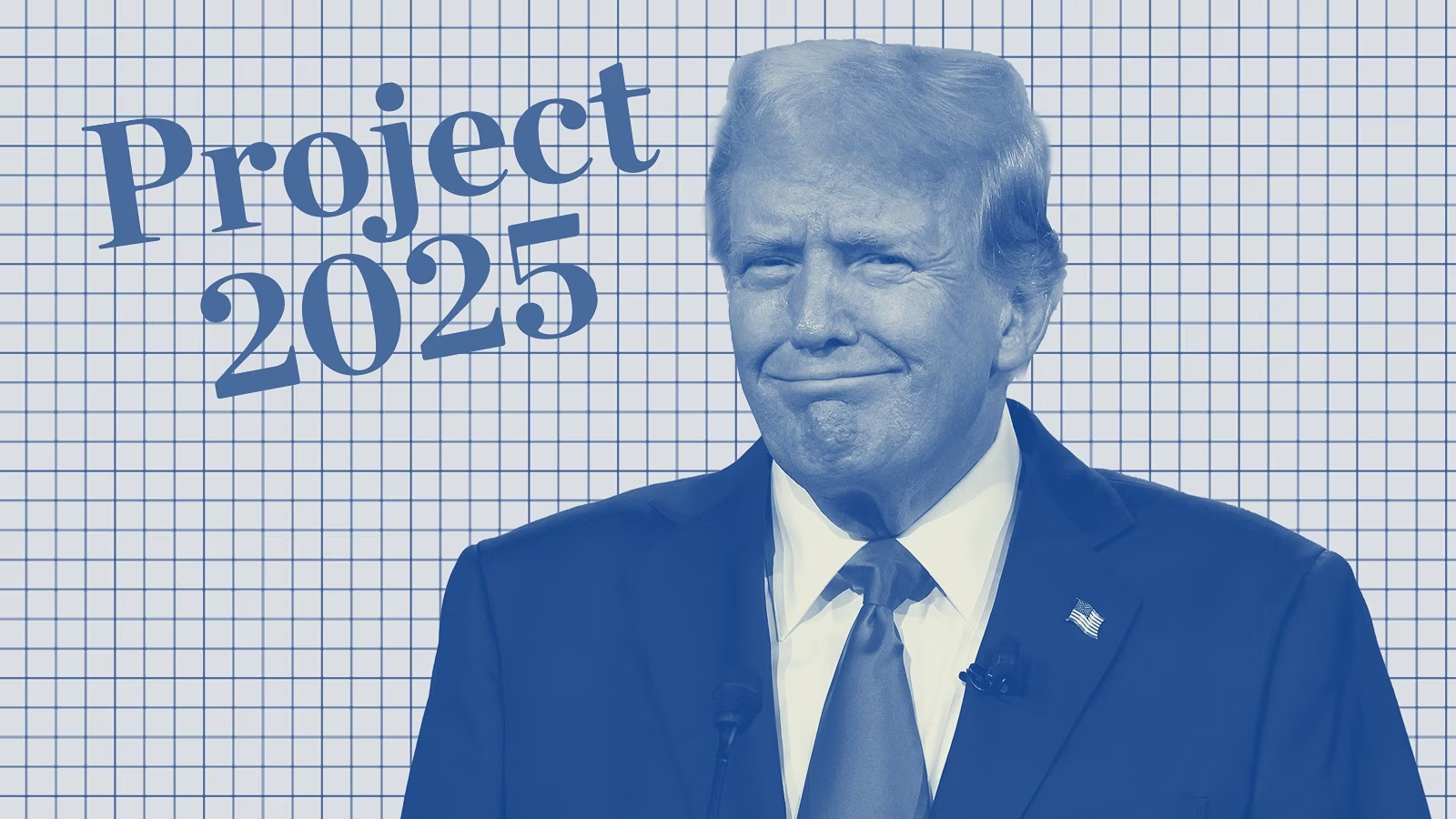
What Is Project 2025?
Project 2025 is a transition plan designed to prepare a future conservative administration for immediate and effective governance. It includes policy recommendations, staffing strategies, and structural reforms across various government agencies. The initiative seeks to ensure that a conservative president can swiftly implement their agenda without bureaucratic delays.
Why Is Project 2025 Controversial?
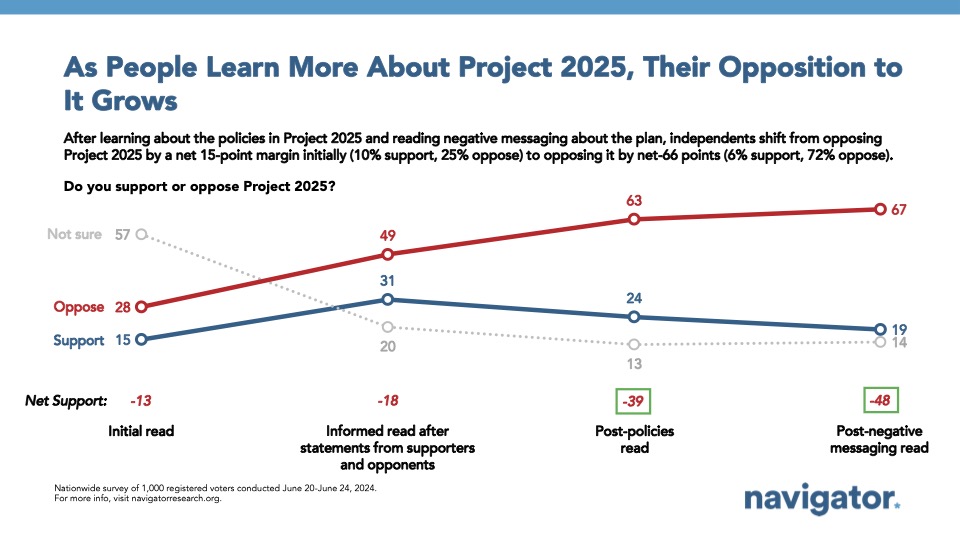
As with any ambitious political initiative, Project 2025 has sparked significant debate. Supporters argue that it is necessary to correct what they see as bureaucratic overreach, inefficiency, and liberal policymaking within federal institutions. Critics, on the other hand, contend that the plan seeks to erode democratic institutions, consolidate executive power, and impose a rigid ideological framework on government operations.
Key Components of Project 2025
- Personnel and Administrative Changes – A significant aspect of Project 2025 is reshaping the federal workforce. The initiative advocates for significant staffing changes, particularly within executive agencies, to align with conservative principles. This includes an emphasis on appointing individuals who are ideologically aligned with the administration’s goals.
2. Policy Priorities – Project 2025 covers a broad spectrum of policy areas, including:
- Economic Policy: Emphasizing deregulation, tax cuts, and fiscal conservatism.
- Social Issues: Advocating for policies that reflect traditional values.
- Foreign Policy: Promoting a strong national defense and a more America-first approach.
- Education: Pushing for parental rights and school choice initiatives.
3. Restructuring the Federal Bureaucracy – The initiative suggests reducing the size of federal agencies, consolidating power within the executive branch, and rolling back regulations that it views as obstacles to economic and individual freedom.
Objectives and Intended Impact
The central aim of Project 2025 is to reshape the federal government to reflect conservative principles. Key proposals include:
- Executive Authority Expansion: The project advocates for increasing presidential control over federal agencies, allowing for swift policy implementation and significant restructuring of departments. Wikipedia
- Federal Workforce Overhaul: Plans involve mass layoffs and downsizing of federal agencies to reduce bureaucracy and promote efficiency. AP News
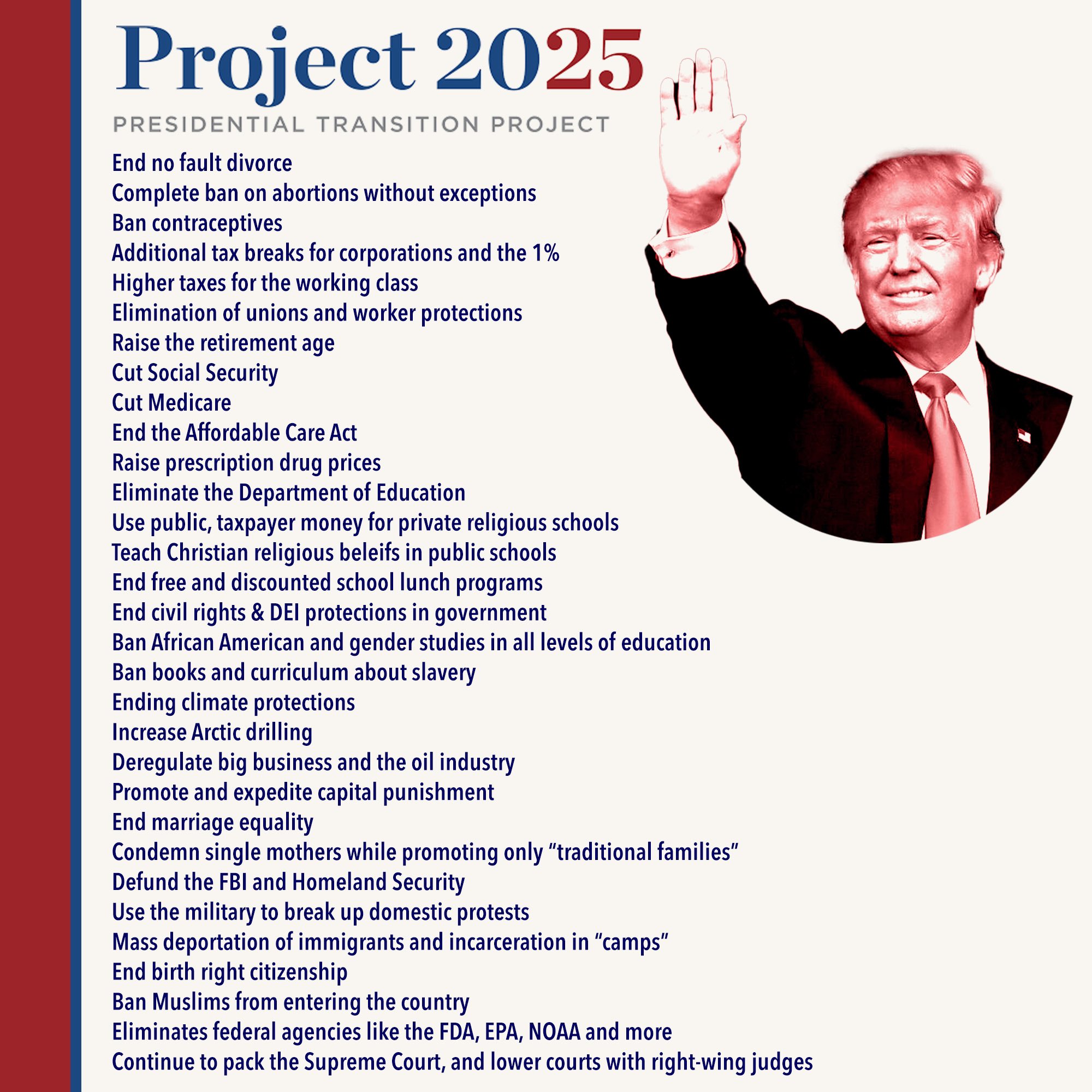
- Policy Revisions: The blueprint suggests stringent abortion restrictions, potential elimination of the Department of Education, and reduced environmental regulations. Reuters
Affected Parties
The implementation of Project 2025 would have widespread implications:
- Federal Employees: Significant layoffs and restructuring could lead to job losses and a shift in agency cultures.
- Marginalized Communities: Proposed policies may disproportionately impact LGBTQ+ individuals, women seeking reproductive health services, and minority groups. Them
- General Public: Changes in environmental regulations, education policies, and civil liberties could affect various aspects of daily life for many Americans.
Implementation Strategy
To actualize its vision, Project 2025 outlines the following steps:
- Pre-Vetted Appointments: Compiled lists of potential political appointees committed to the project’s ideals to ensure alignment across federal agencies. Reuters
- Executive Orders and Regulations: Drafting ready-to-implement directives to expedite policy changes upon a supportive administration’s inauguration.
- Agency Restructuring Plans: Mandating detailed proposals from agencies to streamline operations and reduce perceived inefficiencies. AP News
Scope and Impact
Project 2025 proposes extensive reforms affecting numerous federal agencies and programs, with the potential to impact millions of Americans. Key areas include:
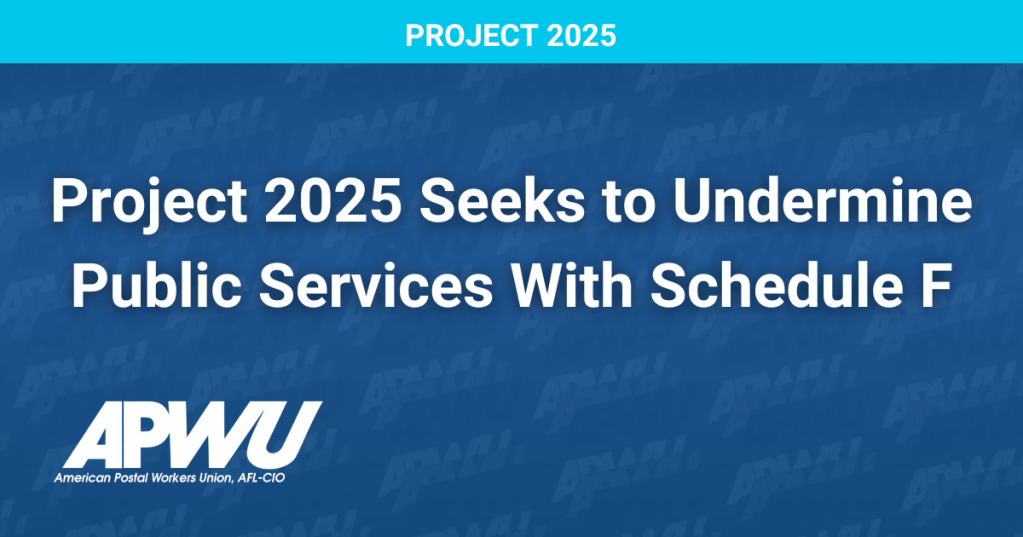
- Federal Workforce Restructuring: The plan advocates for significant layoffs and downsizing of federal agencies, aiming to reduce what it perceives as bureaucratic inefficiencies.
- Policy Overhauls: Recommendations encompass a wide range of policy areas, including immigration, reproductive rights, environmental regulations, and civil liberties. The project seeks to implement conservative policies that could lead to substantial changes in existing federal programs.
Potential Damages
Critics of Project 2025 highlight several areas of concern:
- Environmental Impact: Analyses suggest that the project’s policies could lead to increased carbon emissions, with estimates of an additional 2.7 billion tons by 2030. This surge is comparable to India’s annual emissions and could result in higher energy costs for households, job losses, and a decrease in the U.S. GDP.
- Civil Rights and Liberties: The project includes proposals that may undermine civil rights protections, particularly those affecting LGBTQ+ communities, reproductive rights, and racial equity initiatives. Organizations like the ACLU warn that many of these recommendations could be unconstitutional and erode fundamental freedoms.
Impact on Federal Programs
Project 2025’s implementation could lead to significant alterations or eliminations of existing federal programs:
- Medicare and Medicaid: Proposed changes aim to reduce federal spending by modifying payment structures and limiting benefits, potentially affecting healthcare access for seniors and low-income individuals.
- Environmental Protections: The project advocates for rolling back regulations enforced by agencies like the Environmental Protection Agency, which could weaken efforts to combat climate change and protect natural resources.
Pros and Cons
Pros:
- Government Efficiency: Streamlined agencies could lead to reduced bureaucracy and potentially more effective governance.
- Policy Cohesion: Unified executive control might facilitate the swift enactment of policies reflecting the administration’s agenda.
Cons:
- Democratic Erosion: Consolidating power may weaken institutional checks and balances, threatening democratic principles.
- Social Inequities: Marginalized communities could face increased discrimination and reduced protections under proposed policies.
- Environmental Risks: Deregulation may lead to environmental harm, affecting ecosystems and public health.
Responding to Potential Impacts
If you anticipate being affected by Project 2025:
- Stay Informed: Regularly consult reputable news sources and official communications to understand policy changes.
- Engage in Advocacy: Participate in civic activities, such as contacting representatives, joining peaceful protests, or supporting organizations that align with your values.
- Seek Legal Counsel: For those directly impacted, especially regarding civil rights, consulting legal professionals can guide protective measures.
Long-term Aftermath
If fully implemented, Project 2025 could fundamentally reshape the American political and social landscape:
- Consolidation of Executive Power: The plan emphasizes increasing presidential authority, potentially disrupting the traditional system of checks and balances and altering the balance of power among federal branches. Center for American Progress
- Policy Reversals: The project aims to reverse numerous policies from previous administrations, leading to shifts in areas such as environmental standards, civil rights protections, and social welfare programs. ACLU
Potential Future Implications
Critics argue that Project 2025 could lead to an erosion of democratic norms, with concerns about:
- Authoritarianism: Centralizing power in the executive branch may undermine the system of checks and balances that is fundamental to U.S. governance. Wikipedia
- Civil Rights Rollbacks: The project includes proposals that may undermine civil rights protections, particularly affecting LGBTQ+ communities, reproductive rights, and racial equity initiatives. Organizations like the ACLU warn that many of these recommendations could be unconstitutional and erode fundamental freedoms. American Civil Liberties Union
- Environmental Degradation: Analyses suggest that the project’s policies could lead to increased carbon emissions, with estimates of an additional 2.7 billion tons by 2030. This surge is comparable to India’s annual emissions and could result in higher energy costs for households, job losses, and a decrease in the U.S. GDP. Earthjustice
Final Thoughts
Project 2025 is more than just a policy proposal; it serves as a strategic framework that could shape the future of U.S. governance. Like any significant political initiative, its influence will be determined by public debate, electoral outcomes, and the evolving needs of the nation. Understanding its objectives and potential consequences is essential for those invested in the future of American democracy.
While Project 2025 aims to implement a conservative vision for the federal government, it raises significant concerns regarding the protection of democratic institutions, civil liberties, and environmental safeguards. A well-informed and engaged public will be pivotal in evaluating and responding to these proposed changes.
The discussions surrounding Project 2025 highlight its potential to reshape federal policies, impacting everything from social programs to civil rights. The broad scope of these changes warrants careful consideration of their long-term effects on governance and the American people.
**** Disclosure****
This blog combines facts with personal thoughts. Below is a list of sources where I have gathered facts and information, which is all free and public information. Feel free to research on your own and come to your own conclusion.
- AP News
- A Project 2025 author carries out his vision for mass federal layoffs
- Today
- The Guardian
- ‘Sounding alarm for 10 years’: Mississippi residents warn of Project 2025 ramifications
- 116 days ago
- Them
- How Anti-Trans Policies in Project 2025 Could Impact All Families
- 184 days ago
- nytimes
- WSJ
- American Civil Liberties Union
- Earthjustice
- ACLU
- Reuters
- Center for American Progress
- project2025
 Realizations with Tiffany K. Charles