

Lately, it seems that you may have been feeling ready to jump back into the dating pool. Even if it’s just putting your toe in said pool, you are tired of being alone, and you feel yourself wanting to feel that warmth from someone who wants to give you that warmth… Yes, you, too, are lonely and maybe suffering for the lovebug that has someone in a frenzy right before the Spring. You think to yourself, “It’s sooo much easier just to go online; that way, I can filter and choose the partner I want. But they will have to be what I want and have all the qualities I want them to have…” So, you join the online dating community, and with good faith, too, because you, of all people, know how to spot the real McCoy.
Online dating and social media have revolutionized the way people connect, making it easier than ever to meet new friends or potential partners. However, these platforms have also opened the door to deception, with one of the most common forms being catfishing. This occurs when someone creates a fake persona online to manipulate, deceive, or exploit others. Whether driven by financial motives, emotional control, or sheer entertainment, catfishing can leave victims feeling deeply hurt, embarrassed, and betrayed.
Recognizing the warning signs of catfishing is crucial to protecting yourself from online deception. Suspicious behaviors such as refusing video calls, providing inconsistent stories, or avoiding in-person meetings are red flags that someone may not be who they claim to be. Confronting a suspected catfish requires caution and strategy, as these individuals often go to great lengths to maintain their fabricated identities.
In this blog, we’ll explore how to identify catfishers, approach them safely, and recover from the experience if you’ve been deceived. Additionally, we’ll provide essential tips on safeguarding yourself against online scams and ensuring that you don’t inadvertently become a tool for catfishers to target others. Understanding these risks and taking preventive measures can help you navigate the digital world with confidence and security.

What Is Catfishing?
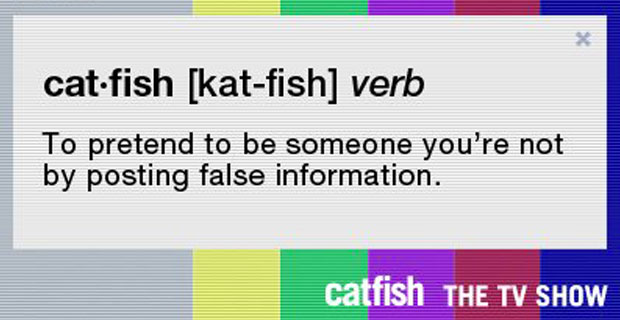
The term catfishing was popularized by the 2010 documentary Catfish and later the hit MTV show of the same name. It refers to someone creating a false online persona to trick people into romantic or emotional relationships. These digital impostors might use stolen photos, fabricated stories, or even voice manipulation to maintain their deception.
Catfishers often have various motivations, including:
- Emotional validation – They crave attention and a sense of connection.
- Revenge or power – Some catfishers want to manipulate or hurt others.
- Financial scams – Many catfishers use deception to exploit victims for money.
- Boredom or entertainment – Some do it just for fun, seeing it as a game.
The Experience of Being Catfished
Imagine meeting someone online who seems perfect. They are attentive, attractive, and say all the right things. You build trust, share secrets, and possibly even fall in love. Then, the red flags start to appear.
- They refuse to video chat or make excuses when asked to meet in person.
- Their social media presence is limited, and they have few friends or interactions.
- Their stories don’t add up, and they avoid answering personal questions.
- They suddenly ask for money due to an “emergency” or crisis.
If you’ve been catfished, you’re not alone. Many people, even those who consider themselves tech-savvy, have fallen for online deception. The emotional impact can be devastating—betrayal, embarrassment, and even financial loss.

Recognizing When Someone Is Trying to Catfish You
Catfishers often craft elaborate fake identities, using stolen photos and fabricated backstories to build trust. Here are some red flags that might indicate you’re dealing with a catfish:
- Their Photos Seem Too Perfect or Unrealistic -Catfishers often use stolen images of attractive models, influencers, or other unsuspecting individuals. A quick reverse image search on Google can reveal if their pictures appear elsewhere online under a different name.
- They Avoid Video Calls or Face-to-Face Meetings – A major red flag is when someone consistently refuses to video chat or meet in person, making excuses like poor connection issues or a busy schedule.
- Their Story Is Inconsistent or Too Good to Be True – Catfishers often create elaborate yet vague stories about their background, job, or lifestyle. If they keep contradicting themselves or seem overly dramatic, be wary.
- They Profess Love Too Quickly – If someone declares deep feelings early in the conversation—especially before meeting in person—they may be trying to manipulate you emotionally.
- They Ask for Money or Gifts – A classic sign of catfishing is when they eventually ask for financial assistance due to an “emergency”—medical expenses, travel costs, or unpaid bills. They may also request gift cards, cryptocurrencies, or expensive items.
- They Have Few Social Media Friends or Followers – A fake profile often has very few friends, minimal engagement, and only a handful of posts. If their social media presence seems suspiciously empty, take caution.
How to Call Out a Catfish
Once you suspect someone is catfishing you, it’s time to take action. Here’s how you can confront them:
- Ask for a Spontaneous Video Call – If they continue to make excuses or refuse, that’s a significant confirmation that something is off.
- Do a Reverse Image Search – Upload their profile pictures to Google’s reverse image search. If the images are linked to someone else, you have solid evidence of deception.
- Test Their Story – Ask specific questions about their life, and later, casually bring up the same topic to see if their answers remain consistent.
- Confront Them Directly – If you have enough proof, directly ask them why their photos or details don’t match up. Many catfishers will either try to make excuses or disappear when caught.
- Report and Block Them – Once you confirm they are a fraud, block them on all platforms and report their profile to the appropriate social media or dating site.

What to Do If You’ve Been Catfished
If you realize you’ve been catfished, here are some step-by-step instructions on how to avoid engaging with the person further and what to do next. Make sure you gather any evidence of your interactions, such as messages, emails, or photos, in case you need to report the incident. If you have shared any personal information, update your passwords and security settings to protect yourself from potential fraud.
Consider blocking the person on all platforms to prevent further contact. If you feel emotionally affected, reach out to friends, family, or a professional for support. If money was involved, report the scam to the appropriate authorities, such as the FTC or local law enforcement. The following may help you recover from being targeted:
- Cut Off Contact Immediately – Once you realize you’re dealing with a catfish, stop engaging with them. They might try to guilt-trip or manipulate you, so be firm in your decision.
- Report and Block Them – Report the profile to the platform where you met them. This helps prevent them from deceiving others.
- Warn Others
- If they use someone else’s pictures, try to inform the real person that their identity is being misused.
- Seek Support – Being catfished can be emotionally and financially draining. Talk to a friend, therapist, or online support group if you need help to cope.
- Learn from the experience – While it’s painful, take this as a lesson in online safety. Be more cautious moving forward, trust your instincts, and verify people before getting too emotionally involved.
How to Move On After Being Catfished
If you’re engaging with someone online and feel something is off, watch out for these signs:
- They Avoid Video Calls or Meetings in Person – Catfishers will always have an excuse for why they can’t FaceTime, Zoom, or meet up. If someone is serious about a relationship, they will want to connect in real life.
- Their Photos Look Too Perfect – Do a reverse image search (using Google Images or TinEye) to see if their pictures are stolen from someone else’s social media.
- They Move Too Fast – If they declare love or deep emotions quickly, especially before meeting in person, be cautious. A common catfish tactic is to create an intense emotional connection quickly to gain your trust.
- Their Story Has Holes or Constant Dramas – They may claim to be in the military, working overseas, or dealing with an extreme hardship that prevents them from meeting you. If their life seems full of conveniently tragic events, question it.
- They Ask for Money or Gifts – This is a major red flag. No matter how convincing their reason sounds, never send money to someone you haven’t met in person.

Recognizing When Someone Is Trying to Catfish You
Catfishers often craft elaborate fake identities, using stolen photos and fabricated backstories to build trust. Here are some red flags that might indicate you’re dealing with a catfish:
- Their Photos Seem Too Perfect or Unrealistic – Catfishers often use stolen images of attractive models, influencers, or other unsuspecting individuals. A quick reverse image search on Google can reveal if their pictures appear elsewhere online under a different name.
- They Avoid Video Calls or Face-to-Face Meetings – A major red flag is when someone consistently refuses to video chat or meet in person, making excuses like poor connection issues or a busy schedule.
- Is their story inconsistent or Too Good to Be True – Catfishers often create elaborate yet vague stories about their background, jobs, or lifestyles. If they keep contradicting themselves or seem overly dramatic, be wary.
- They Profess Love Too Quickly – If someone declares deep feelings early in the conversation—especially before meeting in person—they may be trying to manipulate you emotionally.
- They Ask for Money or Gifts – A classic sign of catfishing is when they eventually ask for financial assistance due to an “emergency”—medical expenses, travel costs, or unpaid bills. They may also request gift cards, cryptocurrencies, or expensive items.
- They Have Few Social Media Friends or Followers – A fake profile often has very few friends, minimal engagement, and only a handful of posts. If their social media presence seems suspiciously empty, take caution.
How to Move On After Being Catfished
Being catfished can be an emotional and humiliating experience. Here’s how to heal and regain trust in online interactions:
- Allow Yourself to Process the Experience – It’s okay to feel hurt, angry, or embarrassed. Give yourself time to process the deception and remind yourself that anyone can fall victim to a catfish.
- Lean on Supportive Friends and Family – Talk to people you trust about what happened. You’re not alone, and discussing it can help you feel less isolated.
- Learn from the experience– -Use this as a lesson to be more cautious when forming online relationships in the future.
- Protect Your Online Presence– -Adjust your privacy settings and be mindful of what personal information you share online to reduce the risk of being targeted again.
How to Avoid Sending Money, Gifts, or Being Used as Bait
Many catfishers aim to extract money from their victims or, worse, trick them into unknowingly luring in new victims. Here’s how to avoid falling into their traps:
- Never Send Money to Someone You Haven’t Met in Person – If someone asks for money, regardless of their reason, assume it’s a scam.
- Be Wary of Gift Card or Cryptocurrency Requests – Scammers prefer untraceable forms of payment. Avoid sending gift cards, cryptocurrencies, or wiring money to anyone online.
- Don’t Share Personal Financial Details – Never provide your bank details, credit card information, or passwords to someone online.
- Avoid Sending Intimate Photos – Catfishers can use intimate images to blackmail victims. Be extremely cautious about sharing anything sensitive.
- Be Cautious If Asked to Introduce Others – If your online “friend” asks you to introduce them to others or recruit people for “business opportunities,” you could be unknowingly helping them scam others.
Final Thoughts
Catfishing is an unfortunate reality in today’s digital world, but staying informed and cautious can help you avoid falling victim. Trust your instincts, verify online identities, and approach virtual relationships with a critical mindset to protect yourself.
If you suspect someone is a catfish, take action—block, report, and spread awareness. The more people recognize the warning signs, the less power scammers have to deceive others. Have you ever encountered a suspicious online profile or been catfished yourself? Share your experience in the comments to help others navigate the online world safely!

Wanna know how the pros catch Catfish????? Watch MTV’s Catfish, and check your local area listings for times!!!
 Realizations with Tiffany K. Charles