

So, it’s after midnight, and a New Year has rolled around…… You feel like you should make changes to better yourself, and you have a strong urge to make those changes and keep them. You feel good about thinking about it, and you vow that this year will be much better and way more different from the others…… You get your legal pad and your black extra fine pin, and you begin to ponder what changes you can make that you know will really help advance you forward toward your heart’s desire and your dreams…… You think about all the bad habits you have and how much better you’d be once you fully commit.
Every January 1, millions around the globe pledge to better themselves, whether by hitting the gym, learning a new skill, or fostering healthier habits. This widespread tradition of New Year resolutions is deeply rooted in history, originating thousands of years ago and evolving significantly over time. But where did this practice begin, and how has it transformed into the custom we practice today? What was its origin and true meaning in the first place? Who thought of it? What purpose does it serve if we do or don’t? Are you going to burn in hell if you don’t set anything? Should you even give a damn about it?
New Year’s resolutions have become an annual ritual for millions around the world. Each January, people vow to improve their lives, break bad habits, or achieve new goals. But why do we partake in this tradition, and where did it originate? Let’s take a closer look at the fascinating history behind New Year’s resolutions, how the tradition has evolved, and whether it’s here to stay. Can you really stick to your resolutions? Is it possible to make a change with the man in the mirror? Or are we destined to fail because we simply have been conditioned to be the laziest form of humans possible? There’s only one way to find out, folks….. So, let’s go down this New Year tunnel and find out why we feel so inclined to set new rules and guidelines for a very new year.

The Origins of New Year’s Resolutions
The tradition of making New Year’s resolutions dates back to ancient Babylon, around 4,000 years ago. During the Babylonians’ mid-March Akitu festival, a 12-day celebration marking the start of the farming season, people made promises to their gods. These commitments intend to secure divine favor and good fortune for the year ahead, such as repaying debts and returning borrowed items. While these early pledges differ from modern resolutions, they laid the groundwork for the enduring practice of self-reflection and goal-setting at the start of a new year.
Later on, the tradition was adopted by the Romans, who established January 1 as the start of the new year in 46 BCE under the rule of Julius Caesar. The month of January was named after Janus, the two-faced Roman god of beginnings and transitions. Janus was believed to look both forward to the future and backward to the past, making him the perfect symbol for reflecting on the previous year and setting intentions for the next. Romans would offer sacrifices to Janus and make vows of good conduct for the year ahead.
Early Christianity and Moral Commitments
As Christianity expanded, New Year’s resolutions evolved from pagan rituals to reflections rooted in spiritual and moral aspirations. In medieval times, knights would take “peacock vows” at the beginning of each year to reaffirm their commitment to chivalry and honor. By the 18th century, the concept of self-improvement began to take hold, especially in Western cultures influenced by Protestant values, which emphasized personal accountability and moral growth.
In the early 20th century, the tradition of New Year’s resolutions shifted toward secular goals, emphasizing practical self-improvement such as quitting smoking, losing weight, or managing finances. This transformation gained traction in the 1980s and 1990s with the rise of self-help movements, turning resolutions into a cultural norm. The start of the year became synonymous with goal-setting, gym memberships, and self-improvement workshops, marking a widespread commitment to personal growth.
Meanwhile, Christian practices further shaped the meaning of New Year’s resolutions during the early medieval period. January 1, observed as the Feast of the Circumcision of Christ, was a day of reflection and spiritual renewal. By the 18th century, Methodist watch night services on New Year’s Eve brought communities together to pray, reflect on past actions, and resolve to live more virtuous lives in the year ahead.


Secularization and Modern Adoption
The tradition of New Year’s resolutions underwent a significant transformation in the 19th and 20th centuries as it moved away from its deeply religious and moral roots. Historically, resolutions were often tied to spiritual renewal or the commitment to live a virtuous life guided by religious principles. However, as societies became increasingly secular, particularly in Western countries, the focus of these resolutions shifted. Personal improvement, physical health, and the cultivation of good habits replaced religious pledges, reflecting the growing emphasis on individualism and self-determination. This evolution aligned with broader societal trends, including the rise of the self-help movement and a cultural shift toward valuing personal growth over communal or religious obligations.
By the early 20th century, the practice had firmly embedded itself into popular culture. Newspapers and magazines began playing a pivotal role in promoting the idea of New Year’s resolutions, offering practical advice and strategies for setting achievable goals and maintaining them. This mainstream attention not only popularized the custom but also helped shape it into a modern tradition centered on self-improvement, making it more accessible and appealing to people from diverse backgrounds and beliefs. This transformation highlights the adaptability of cultural practices and their ability to reflect changing societal values over time.
The Contemporary Tradition
Today, New Year’s resolutions are a global phenomenon. Common goals include losing weight, quitting smoking, saving money, or learning new skills. Despite their popularity, studies show that only 8-12% of people stick to their resolutions. Modern tools like goal-tracking apps, social media challenges, and self-help books offer support, reflecting society’s enduring fascination with self-improvement.
The Modern Approach: Breaking the Rules
Today’s younger generations are rethinking New Year’s resolutions. Millennials and Gen Z, in particular, are moving away from traditional, rigid goals in favor of more flexible and holistic approaches to self-improvement. Rather than setting lofty or overly specific goals, many now focus on themes or intentions for the year, such as “living more mindfully” or “fostering creativity.”
A growing awareness of mental health partly drives this shift. Resolutions that were once centered on external accomplishments are now more likely to prioritize inner well-being, such as reducing stress or practicing gratitude. Social media has also played a role, with individuals sharing their resolutions publicly for accountability or opting out of the tradition entirely to avoid unnecessary pressure.
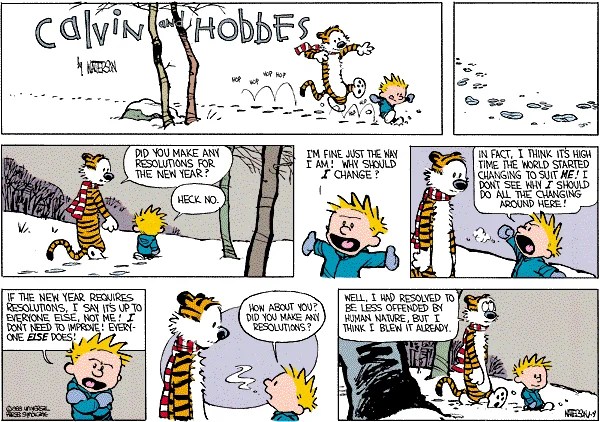
Additionally, trends like the “anti-resolution” movement have emerged, where people choose to reject the tradition altogether, focusing instead on appreciating their current lives rather than striving for constant improvement.


Will New Year’s Resolutions Fade Away?
The future of New Year’s resolutions is uncertain. While the tradition remains popular, its form and purpose continue to evolve. The increasingly individualistic nature of modern society may lead some to abandon the practice, viewing it as an outdated or unnecessary ritual. On the other hand, the adaptability of resolutions—their ability to reflect cultural values and personal priorities—might ensure their survival.
Ultimately, the enduring appeal of New Year’s resolutions lies in their universal message: the hope for a fresh start and the possibility of self-improvement. As long as people strive to better themselves and embrace new beginnings, the tradition will likely persist, even if it looks different for future generations.
Final Thoughts
New Year’s resolutions have evolved significantly since their origins in ancient Babylon. What began as promises to the gods has transformed into modern commitments to personal growth, self-care, and mindfulness. Despite these changes, the essence of the tradition—reflecting on the past and setting intentions for the future—remains a powerful reminder of humanity’s enduring capacity for renewal and growth.
The timing of New Year’s resolutions is mainly symbolic. The arrival of a new year represents a fresh start, offering a natural opportunity to reassess priorities and embrace change. This practice resonates across cultures and eras, reflecting our universal drive for structure, self-improvement, and meaningful progress.
From ancient Babylonian vows to Roman sacrifices, Christian contemplations, and today’s personal goals, the tradition of New Year’s resolutions highlights humanity’s timeless pursuit of betterment. Its rich history speaks to the enduring relevance of setting aspirations, demonstrating that the desire to grow and improve transcends both time and geography.

 Realizations with Tiffany K. Charles