
“LET’S GET READY TO RRRRRUUUUMMMMBBBBLLLLLEEEEE!!!!!!!!!!!!!!!” The sweet words of Michael Buffer with that mic on that pay-per-view boxing match screaming these words always set the tone for a great fight night. Remember those fight parties that your family had and all the noise that was made when a TKO or a great uppercut jab was made? Oh, those were the good old days of terrific fighting. Now, don’t get me wrong, boxing is a man’s sport, but it has changed over time. From bare-knuckle boxing to using gloves in a ring, boxing has become a pivotal sport for men and women alike.
Often referred to as “the sweet science,” boxing is a sport that combines raw power, strategic finesse, and sheer willpower. It’s a world where every punch tells a story, every round is a battle, and every fight is a test of endurance and skill. From the bright lights of championship bouts to the gritty, sweat-drenched gyms where future champions are forged, boxing captures the essence of human resilience and the pursuit of greatness. It is such a great sport they made a movie franchise all about it. “AAAAAADDDRRRIIIAAANNNAAAA”!!!!!!! I could have sworn he called her Adrian!!!! 🤷🏽♀️
In this sixth installment of The History 101 blog series, we’ll explore the rich history of the sport, the legendary fighters who have shaped it, and the techniques and strategies that make boxing one of the most captivating sports in the world. Whether you’re a seasoned fan or new to the ring, this journey through the world of boxing promises to be as thrilling as a title fight under the spotlight. Get ready for tonight. My friend is hosting a fight party, and we want to arrive on time. It’s going to be crazy because Mayweather is coming back to defend his title, and I hear the new guy will give him a run for his money!!!!!
The Origins of Boxing
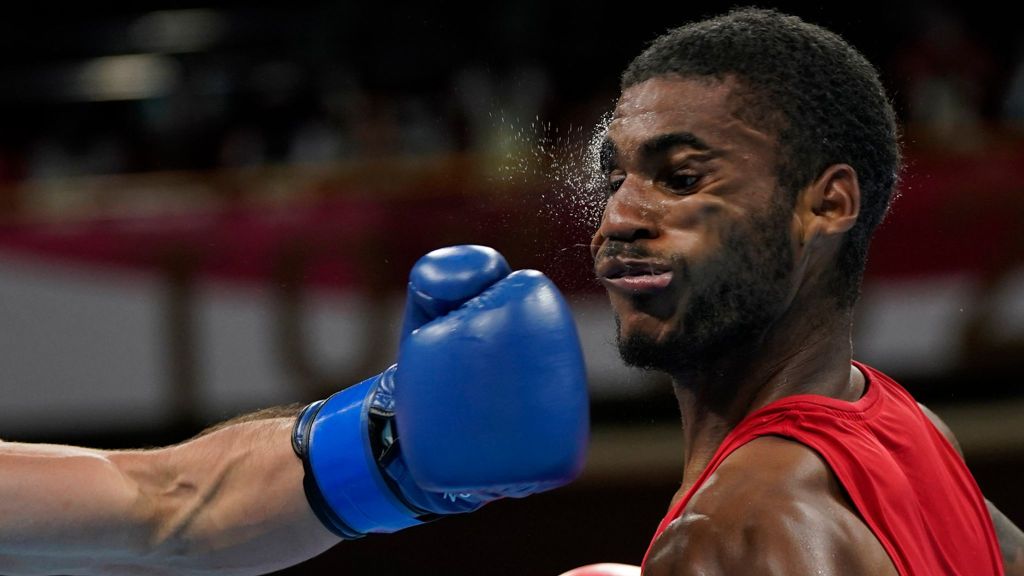
The roots of boxing can be traced back to ancient Sumeria, around 3000 BCE, where early depictions of fighters striking each other can be found on ancient carvings. The Egyptians also practiced a form of boxing, which was depicted in their art as well. However, it was in ancient Greece that boxing began to take on a form that more closely resembles the sport we know today.
The Greeks included boxing in the ancient Olympic Games around 688 BCE, where it was known as “pugilism.” The fighters, known as “pugilists,” would wrap their hands in leather thongs, and the matches would continue until one competitor could no longer continue. Boxing was brutal and often ended in severe injuries or even death. The sport was seen as a test of endurance, strength, and courage.
The Romans later adopted boxing but with their own twist. They introduced the “cestus,” a glove studded with metal, making the sport even more dangerous. However, after the fall of the Roman Empire, boxing faded into obscurity for several centuries.
The Rebirth and Rise of Modern Boxing
Boxing re-emerged in the 17th century in England, where it became a popular pastime among the working class. It was during this time that James Figg, often credited as the “Father of Boxing,” established the first boxing school in London in 1719. Figg was a skilled fighter and helped popularize the sport through public matches, making it a spectator sport. The sport continued to evolve with the introduction of bare-knuckle boxing, where fighters compete without gloves.
Champion Jack Broughton introduced the first official set of boxing rules, known as the “Broughton Rules,” in 1743. These rules aimed to make the sport safer by banning certain dangerous practices, such as hitting a downed opponent. In 1867, the Marquess of Queensberry introduced new rules, which laid the foundation for modern boxing. These rules mandated the use of gloves, set time limits for rounds, and introduced weight classes, making the sport more regulated and accessible.
The Science Behind the Sweet Science
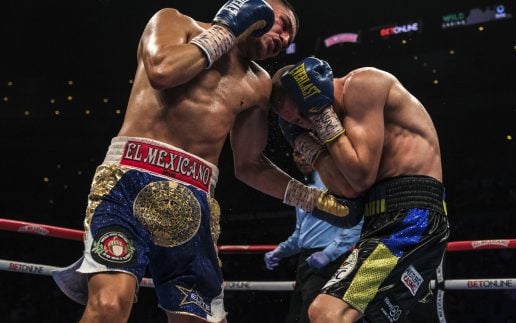
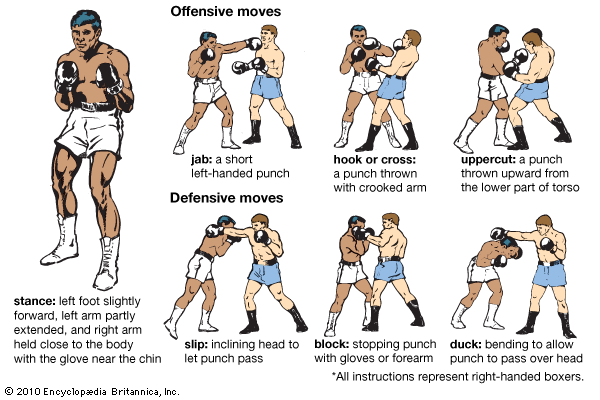
At its core, boxing is a physical contest between two opponents, but it’s the mental game that often determines the outcome. Fighters must not only be in peak physical condition but also possess sharp mental acuity. They need to anticipate their opponent’s moves, plan their attacks, and adapt their strategies in real-time. The physical aspect of boxing is demanding. A fighter must have strength, speed, agility, and endurance. Training involves a mix of cardiovascular work, strength training, and skill development, including footwork, punching techniques, and defensive maneuvers.
However, perhaps the most critical aspect of training is sparring, where fighters test their skills against live opponents, honing their instincts and reactions. Mentally, boxing is a game of chess. Every movement in the ring is calculated. Fighters study their opponents, looking for weaknesses to exploit and patterns to predict. The psychological battle begins long before the first bell, with mind games and mental preparation playing a crucial role. Confidence, resilience, and the ability to remain calm under pressure can make the difference between victory and defeat.
Boxing Becomes a Global Phenomenon
Boxing gained international popularity in the late 19th and early 20th centuries. The sport spread across Europe and the Americas, with the United States becoming a central hub for professional boxing. The rise of legendary fighters like John L. Sullivan, the first heavyweight champion of the world, helped elevate boxing’s status.
As the 20th century progressed, boxing continued to grow in popularity, with the sport being broadcast on radio and television, bringing it into the homes of millions. Iconic figures like Muhammad Ali, Sugar Ray Robinson, and Joe Louis became household names, transcending the sport and becoming global icons.
The Role of Culture and Society in Boxing
Boxing has always been more than just a sport; it’s a reflection of society and culture. Throughout history, boxing has provided a platform for social and political commentary. Figures like Muhammad Ali transcended the sport, using their platform to speak out on issues of race, war, and equality. Ali’s refusal to fight in the Vietnam War and his subsequent legal battles became a symbol of resistance and a powerful statement on the role of athletes in society.
In many communities, boxing has been a way out of poverty, a means to a better life. It has been a sport of the underdog, where those who come from challenging backgrounds can rise to greatness. The stories of fighters like Mike Tyson, Manny Pacquiao, and Bernard Hopkins, who overcame significant hardships to become champions, resonate with many and add to the sport’s allure.
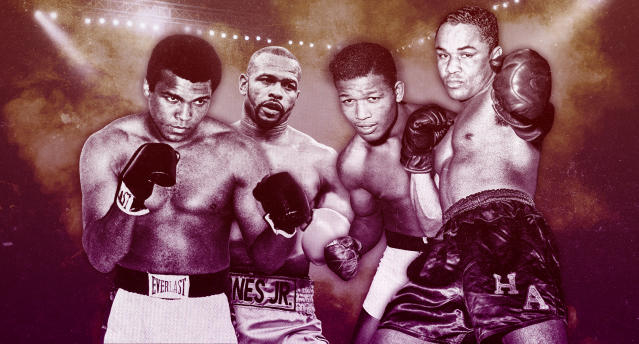
Boxing has produced some of the most legendary athletes in sports history. Muhammad Ali is perhaps the most famous, known for his charisma, skill, and impact on boxing and society. Ali’s battles with Joe Frazier and George Foreman are still remembered as some of the greatest fights in history.
Other legendary figures include:
Sugar Ray Robinson: Often regarded as the greatest pound-for-pound fighter of all time, Robinson was known for his speed, power, and technical brilliance.
Mike Tyson: A ferocious heavyweight with unparalleled knockout power, Tyson became the youngest heavyweight champion in history at just 20 years old.
Floyd Mayweather Jr.: Known for his defensive mastery and unbeaten record, Mayweather is one of the most skilled and successful boxers of all time.
The Highest-Paid Boxer in History
Floyd Mayweather Jr. is the highest-paid boxer in history. During his career, which spanned over two decades, Mayweather earned an estimated $1.2 billion from his fights, including massive pay-per-view events like his bout against Manny Pacquiao in 2015 and Conor McGregor in 2017. His nickname, “Money,” is well-deserved, as he has set records for earnings in the sport.
The Future of Boxing: Up-and-Coming Stars
As boxing continues to evolve, a new generation of fighters is emerging, poised to carry the sport into the future. Some of the most promising up-and-coming boxers include:
Gervonta Davis: A powerful and explosive fighter, Davis has captured the attention of the boxing world with his knockout victories and is seen as a future star in the lightweight division.
Shakur Stevenson: Known for his technical skill and defensive prowess, Stevenson is a rising star in the super featherweight division, with many experts predicting a bright future for him.
Teofimo Lopez: A dynamic and confident fighter, Lopez made headlines by defeating Vasiliy Lomachenko to become the unified lightweight champion, establishing himself as a force to be reckoned with.
Jaron “Boots” Ennis: A welterweight with a perfect record, Ennis is known for his versatility and power, making him one of the most exciting prospects in the sport.
Women in Boxing
Women’s boxing has a rich and evolving history, dating back to the 18th century. It has faced significant challenges and societal resistance over time. The first recorded women’s boxing match took place in 1722 in London between Elizabeth Wilkinson and Martha Jones, though the sport remained largely underground for many years. In the early 20th century, women’s boxing started gaining some recognition, with notable fighters like Hattie Stewart and Barbara Buttrick. However, it faced bans and restrictions, particularly in the United States and Europe, where the sport was considered too violent for women.
The 1970s and 1980s marked a period of struggle and progress as women like Cathy “Cat” Davis and Marian “Lady Tyger” Trimiar fought not just in the ring but also for the right to compete professionally. These pioneers helped pave the way for women’s boxing to gain legitimacy, leading to the sanctioning of the first women’s world championships in the late 1980s. A significant breakthrough came in 1993 when the first officially sanctioned women’s boxing match took place in the United States, featuring Christy Martin, who would go on to become one of the sport’s biggest stars. Martin’s success brought increased visibility and credibility to women’s boxing.
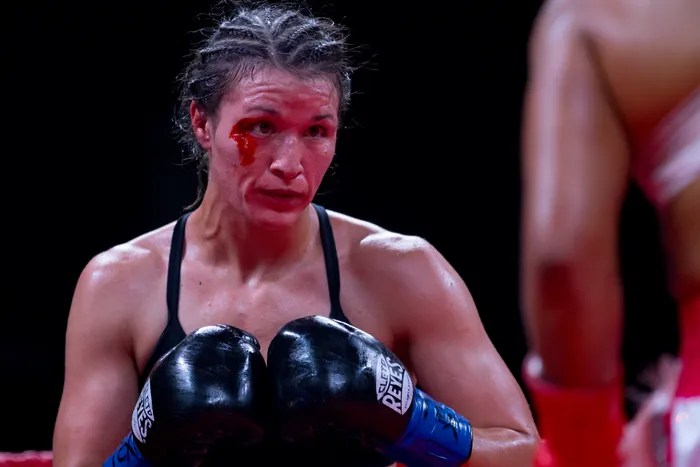
The inclusion of women’s boxing in the 2012 London Olympics marked a historic milestone, with three weight classes contested. This event significantly boosted the sport’s popularity and recognition globally, and it has since continued to grow, with more countries and athletes participating at both amateur and professional levels. Today, women’s boxing features prominent champions like Katie Taylor, Claressa Shields, and Amanda Serrano, who have achieved fame and success on a global scale, further cementing the sport’s place in the world of boxing. The journey of women’s boxing, from its early days of marginalization to its current status as a respected sport, reflects broader social changes in the recognition and empowerment of female athletes.
Final Thoughts
Boxing has evolved significantly from its ancient roots, transforming into a global spectacle that draws millions of fans. The sport’s storied past, marked by iconic champions and unforgettable events, continues to inspire both aspiring fighters and loyal followers. As boxing progresses, the emergence of new talent ensures that its legacy remains vibrant, securing its status as one of the most cherished sports worldwide.
Beyond just a sport, boxing embodies life’s challenges, teaching discipline, resilience, and strategic thinking. It reflects the human spirit’s ability to overcome obstacles, both inside and outside the ring. Whether you’re a seasoned fighter, a dedicated fan, or new to the sport, boxing offers a unique experience—showcasing the triumph of willpower, the artistry of skill, and the courage of a warrior.
**********************FUN FACT******************************
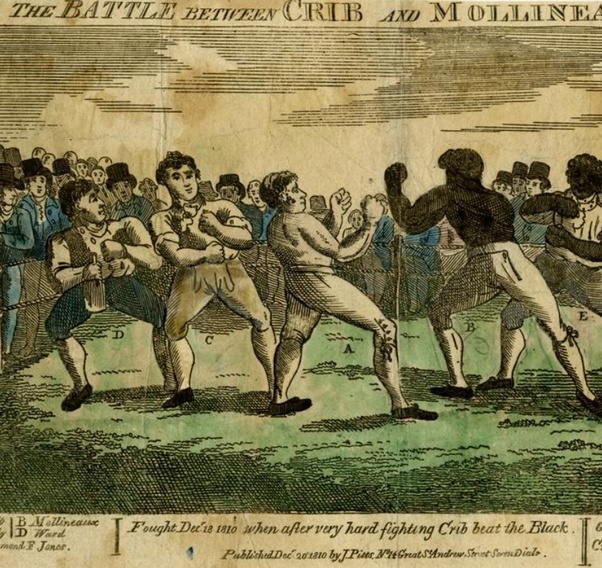
Bare-knuckle boxing, also known as prizefighting, is a form of boxing without gloves dating back to the 17th century. It originated in England, where it gained popularity as an underground sport. The rules were minimal, often leading to brutal and lengthy fights. The first recognized bare-knuckle champion was James Figg, who held the title from 1719 to 1730. The sport was loosely regulated until the introduction of the London Prize Ring Rules in 1743 by champion Jack Broughton.
These rules introduced basic regulations, including a 30-second count for a downed fighter and the prohibition of hitting a downed opponent. Bare-knuckle boxing continued to evolve, with legendary fighters like John L. Sullivan, the last recognized bare-knuckle champion, who transitioned to gloved boxing under the Queensberry Rules in the late 19th century. The sport declined after this, as gloved boxing became more widely accepted. In recent years, there has been a resurgence of interest in bare-knuckle boxing, with modern promotions reviving the sport under stricter safety regulations.
 Realizations with Tiffany K. Charles