
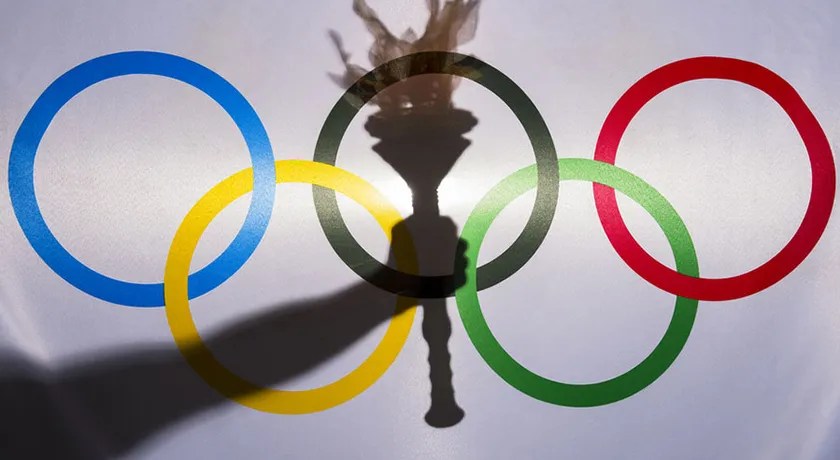
Every four years, this country sends off its absolute best athletes to the World Games, known as the Olympics. The ancient games of ole times past. These athletes compete with representatives from other nations, showcasing their skills and determination on a global stage. The world watches in anticipation as each event unfolds, revealing who the best of the best genuinely are. Every country on this planet displays its pride and its support to the athletes who are representing their country and place in this world.
Can you remember your first time watching the Olympics? Can you remember the excitement surrounding the country and your family? Remember watching your favorite sports and maybe even your favorite athlete playing in that sport only to win that gold medal. Adrenaline is rushing through your veins, and there is the joy of knowing that America is the absolute best at everything. Oh, the time that was had when you were young. However, as you got older, it seemed like you lost the taste for watching and supporting your favorite athletes, only to find the love again as you headed into your later years.
It has become a beacon of international unity and athletic excellence and has a rich history dating back to ancient Greece. The Olympics not only celebrate athletic excellence but also foster a spirit of unity and camaraderie among the diverse countries participating. Today, the games stand as a testament to human achievement, perseverance, and the spirit of friendly competition. It’s more like a global celebration of Summer and a reason to party and show your support for whatever sport and country you love. A global love train of pride and dominance is more like it.
In this 3rd installment of The History of Sports series, we are diving into the origins, development, and ongoing evolution of the Olympic Games, highlighting key aspects such as the medal ceremony and the significance of the opening and closing ceremonies, as well as the impact it has on the world and the hosting country. So, let’s get the grill ready. Go purchase your merch and make sure you represent with all your might. Our athletes are counting on your yelling and screaming through the TV. Because even though they can’t hear you, just remember that attention goes where energy flows. So send all that energy their way, and let’s bring home all the gold as we begin this 29th edition of the modern Summer Olympic Games ( 3 did not happen due to WWI and WWII). USA USA USA USA USA!!!!! LETS GO!!!!!!!

The Birth of the Olympics
The Olympic Games have a rich history that dates back to ancient Greece. The first recorded Olympics took place in 776 BC in Olympia, a sanctuary site for the Greek gods in the western Peloponnese. These ancient games were part of a religious festival in honor of Zeus, the king of the Greek gods. Athletes from various city-states and kingdoms of Greece would come together to compete in various sports, highlighting their physical prowess and honoring their gods. The ancient Olympics continued for nearly 12 centuries until they were banned in 393 AD by Emperor Theodosius I as part of his efforts to promote Christianity.
Revival of the Modern Olympics
The modern Olympic Games owe their existence to Pierre de Coubertin, a French educator and historian who was inspired by the ancient Greek tradition. He envisioned an international sports competition that would foster peace and understanding among nations. In 1894, Coubertin founded the International Olympic Committee (IOC), and two years later, in 1896, the first modern Olympic Games were held in Athens, Greece. The inaugural modern Olympics featured 241 athletes from 14 countries competing in 43 events. Since then, the games have grown exponentially, both in scale and diversity. Today, thousands of athletes from over 200 nations compete in more than 300 events across the Summer and Winter Games.
How the Olympics Work
The International Olympic Committee (IOC) oversees the organization and operation of the Olympic Games, ensuring they adhere to the principles of the Olympic Charter. Host cities are selected through a bidding process, often years in advance, and they undertake massive infrastructure and logistical preparations to accommodate the games. The games are divided into the Summer and Winter Olympics, each held every four years, alternating every two years. Athletes compete in various disciplines, striving for the coveted gold, silver, and bronze medals. The events range from traditional sports like athletics and swimming to newer additions such as skateboarding and surfing.
The Very First Modern Games
The first modern Olympic Games in Athens were a modest affair compared to today’s spectacles. Held from April 6 to 15, 1896, the games featured nine sports: athletics, cycling, fencing, gymnastics, shooting, swimming, tennis, weightlifting, and wrestling. The highlight of these games was the marathon, inspired by the ancient Greek messenger Pheidippides, who, according to legend, ran from the battlefield of Marathon to Athens to deliver news of victory. American athlete James Connolly became the first modern Olympic champion by winning the triple jump, marking the beginning of a new era in sports history.

The Opening and Closing Ceremonies
The opening and closing ceremonies are integral parts of the Olympic Games, steeped in tradition and symbolism. The opening ceremony begins with the parade of nations, where athletes march into the stadium behind their national flags. This is followed by the lighting of the Olympic flame, which burns throughout the games. The flame is ignited in Olympia, Greece, and transported to the host city through a relay.
The closing ceremony marks the end of the games, featuring the extinguishing of the Olympic flame and the handover of the Olympic flag to the next host city. Both ceremonies showcase the culture and heritage of the host nation, celebrating the spirit of the Olympics and promoting global unity.
Sports Included in the Olympics
Today, the Summer Olympics feature over 300 events in 33 sports, including athletics, swimming, gymnastics, basketball, and soccer. The Winter Olympics include sports like alpine skiing, bobsleigh, curling, and snowboarding. The IOC continually reviews and updates the list of sports to keep the games relevant and exciting. Recent additions include skateboarding, surfing, and sport climbing, reflecting the changing landscape of global sports interests.
The Medal Ceremony
The medal ceremony is a poignant moment in the Olympics, symbolizing the culmination of years of hard work and dedication. Athletes mount the podium to receive their medals, with the gold medalist standing at the center, flanked by the silver and bronze medalists. The national anthem of the gold medalist’s country is played, and their flag is raised. This ceremony not only honors the athletes’ achievements but also fosters a sense of national pride and unity.

The Spirit of the Olympics
At the heart of the Olympics is the spirit of competition and the pursuit of excellence. Athletes dedicate years of their lives to training, often overcoming significant obstacles, to earn the chance to compete on this global stage. Their stories of perseverance, resilience, and triumph inspire countless individuals worldwide.
The Olympic motto, “Citius, Altius, Fortius” – which means “Faster, Higher, Stronger” – encapsulates the essence of the Games. It’s not just about winning; it’s about pushing the boundaries of what is possible, striving for personal and collective bests, and celebrating the incredible capabilities of the human body and spirit.
The Impact Beyond Sports
While the athletic feats are the most visible aspect of the Olympics, the Games have a far-reaching impact beyond sports. They serve as a platform for promoting peace, understanding, and cultural exchange. The coming together of athletes and spectators from diverse backgrounds fosters mutual respect and appreciation. The Olympics also bring economic benefits to host cities and countries. Infrastructure improvements, tourism, and global media exposure can drive economic growth and development. However, the financial implications of hosting the Games can also be significant, leading to ongoing debates about the sustainability and long-term benefits of being an Olympic host.
Evolution of the Games
The Olympics have evolved significantly over the past century. The inclusion of women in the 1900 Paris Games marked a significant step towards gender equality. The introduction of the Winter Olympics in 1924 in Chamonix, France, provided a platform for winter sports enthusiasts. Technological advancements have also played a crucial role in the evolution of the games. From electronic timing systems to instant replay, these innovations have enhanced the accuracy and fairness of competitions. The broadcasting of the Olympics has brought the event to a global audience, making it one of the most-watched spectacles worldwide.
Memorable Moments
Over the years, the Olympics have given us countless memorable moments that have left an indelible mark on history. From Jesse Owens’ remarkable performance in the 1936 Berlin Olympics, defying the racist ideologies of the time, to the “Miracle on Ice” at the 1980 Winter Olympics, where the underdog U.S. ice hockey team defeated the seemingly invincible Soviet Union, the Games have been a stage for extraordinary stories of courage and achievement. Recent Olympics have continued this tradition. Usain Bolt’s electrifying sprints, Michael Phelps’ record-breaking swims, and Simone Biles’ gravity-defying gymnastics routines have captivated audiences and set new standards in their respective sports.

Looking Ahead
As we look forward to future Olympic Games, the challenges and opportunities ahead are significant. The global pandemic has posed unprecedented hurdles, leading to the postponement of the Tokyo 2020 Olympics to 2021. Despite these challenges, the Olympic spirit endures, adapting to new realities and continuing to inspire hope and unity. The upcoming Paris 2024 Summer Olympics and Milan-Cortina 2026 Winter Olympics promise to bring fresh excitement and innovation. With a growing emphasis on sustainability and inclusivity, these Games aim to leave a positive legacy for future generations.
Final Thoughts
Whether you’re a lifelong sports fan or someone who only tunes in every four years, the Olympics offer something for everyone. They remind us of what we can achieve when we come together with a common purpose and strive to be the best versions of ourselves. The games are more than just a series of athletic competitions; they are a celebration of the human spirit, a testament to our shared humanity, and a beacon of hope and unity in a divided world. As we cheer for our favorite athletes and revel in the spectacle of the Games, let us also embrace the Olympic values of friendship, respect, and excellence.
The Olympic Games have come a long way since their ancient origins. They have grown into a global phenomenon that celebrates athletic achievement, fosters international cooperation, and inspires millions around the world. So, as the Olympic flame continues to burn bright, let us celebrate this remarkable tradition and the extraordinary individuals who make it possible. In doing so, we honor the true essence of the Olympics and carry forward their timeless legacy. As we look to the future, the Olympics will undoubtedly continue to adapt and thrive, reflecting the ever-changing dynamics of our world.
**************************FUN FACT!!!!************************

The tradition of Olympic mascots began with the 1968 Winter Olympics in Grenoble, France, introducing the world to “Schuss,” a playful figure on skis. The concept emerged from a desire to create a unique and engaging symbol that would embody the spirit and culture of the host city and country. Olympic mascots serve several purposes: they represent the history and values of the Games, promote the event to a global audience, and enhance the festive atmosphere. They are designed to appeal to both children and adults, fostering a sense of excitement and unity among spectators and participants. Each mascot is carefully crafted to reflect the distinct identity of the host region, making it an integral part of the Olympic legacy.
 Realizations with Tiffany K. Charles