

So you need to get your affairs in order, and you think your kids may be trying to kill ⚰️ you for your money💰. Or maybe your wife👰🏽, possibly the dog🐩, or the cat🐈⬛…? Maybe you are sick🤒 or just want to have your money protected, or maybe you just like to be ready for whatever may come your way. Whatever it is, a Living Will and/or a Last Will and Testament are for you. Think about it. How else are you going to make sure that your loved ones and assets are appropriately delegated? Of course, you’d have to go to a lawyer’s office, and you’d pay them to get things in order, but can you do this on your own?
Well, first, you would have to research what kind of will you want to use, and then, well… I don’t know…… I’m not a lawyer, nor am I a certified professional in the position to provide you with legal📜🖋️ advice. I’m just an average person who, well… just wants to know what I should do when I get older. Living wills and testaments, along with wills, are essential components of estate planning🤷🏽♀️. They touch deeply on the practical, emotional, and often complex aspects of our lives. These documents serve not only as a reflection of our wishes beyond our lifetime but also as tools to manage our affairs and health care decisions towards the end of our lives.
Understanding their origins, evolution, and the roles they play today is crucial in appreciating their significance. When it comes to planning for the future, ensuring that your wishes are honored after your death😵 or in case of incapacitation is crucial. This is where legal documents such as last wills, living wills, and testaments come into play. Though they might seem similar, each serves a distinct purpose.
So, let’s get in the Uber🚗, grab your legal folder, and charge your phone 📱(bring that charger too). Be sure to grab all documents that support your assets, personal belongings, and financial statements📜. Think about who you want to leave your stuff to and who you want to piss off by excluding them altogether🤔. As we delve into the specifics of each legal process and how to understand their roles and importance, and discover which one might be best for your situation….😌

Origins and Historical Perspective
The concept of wills and testaments dates back to ancient civilizations. The earliest known will, written on a clay tablet, is from 2548 BCE in Mesopotamia. In ancient Egypt, wills were used to allocate property and enslaved people, while the Greeks and Romans formalized the process with written documents that required witnesses.
Living wills, along with last wills and testaments, are crucial legal documents that have evolved significantly over centuries, reflecting changes in societal values, legal systems, and attitudes toward death and inheritance. The concept of a last will, which primarily deals with the distribution of one’s estate after death, has ancient origins traceable back to Roman law and even earlier civilizations. These documents were initially the privilege of the wealthy and powerful, enabling them to control the disposition of their property posthumously, thereby extending their influence beyond the grave.
The Firsts in the Field
Pinpointing the “first” to sell or buy a living will or testament is challenging due to the ancient origins of these concepts. However, in the modern context, Louis Kutner’s advocacy for living wills in the 1960s marked a pivotal moment, leading to the adoption of the concept by individuals who wished to assert control over their medical treatment at the end of life. Traditional wills’ history predates recorded history, making it challenging to identify the first sale or purchase. Traditionally, wills were not “sold” in the way modern legal services are but rather were drafted as part of legal advice and services provided by legal professionals.
The concept of wills and testaments dates back to ancient civilizations. The earliest known will, written on a clay tablet, is from 2548 BCE in Mesopotamia. In ancient Egypt, wills were used to allocate property and enslaved people, while the Greeks and Romans formalized the process with written documents that required witnesses.
Types of Wills and How They Work:
Last Will and Testament

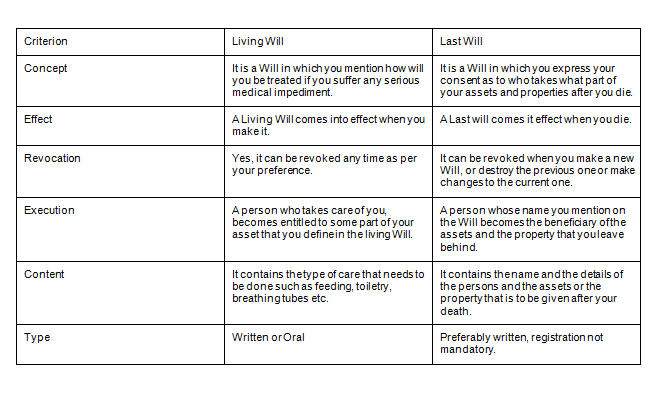
A Last Will and Testament is a legal document outlining how a person’s assets will be distributed upon their death. It allows the individual (testator) to appoint an executor, name guardians for minor children, and specify funeral arrangements.
- Creation: A will must be written, signed, and witnessed by at least two people (requirements vary by jurisdiction).
- Function: It takes effect after the testator’s death, guiding the executor in distributing assets and settling the estate.
Living Will
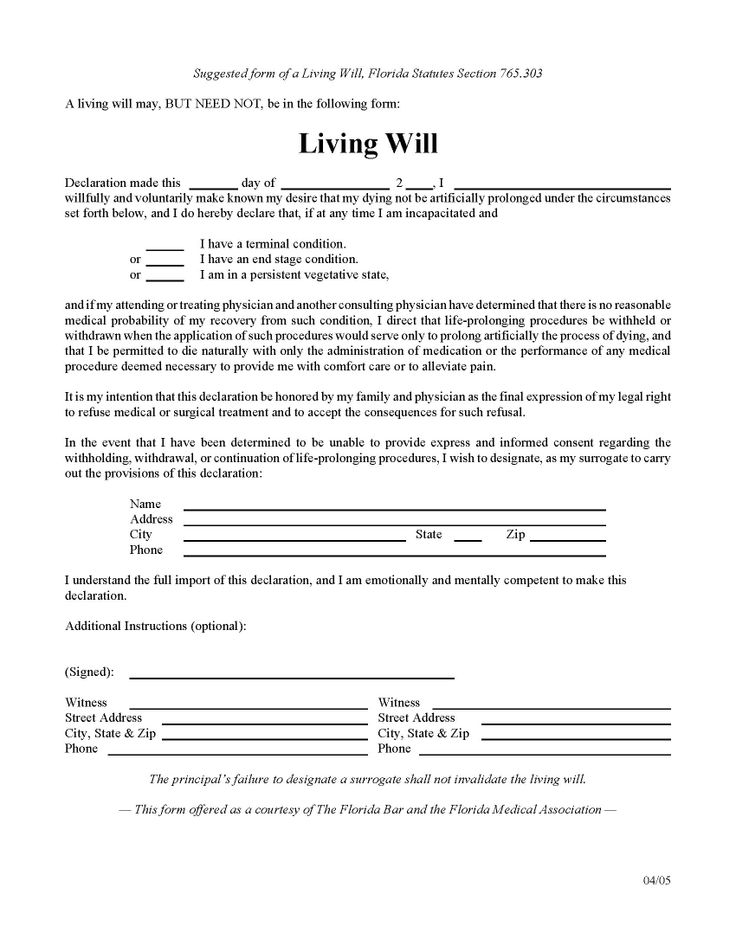
A Living Will, also known as an advance directive, specifies an individual’s wishes regarding medical treatment if they become incapacitated and unable to communicate.
- Creation: It must be written, signed, and witnessed, often with a notary public.
- Function: It comes into effect during the individual’s lifetime if they are incapacitated, guiding healthcare providers and loved ones in making medical decisions.
The Evolution of Wills and Testaments in the Modern World
With technological advancements and changes in societal norms, wills and testaments are evolving:
- Digital Wills: As more assets are held online, digital Wills have become necessary to manage digital estates, including social media accounts, online banking, and cryptocurrencies.
- Electronic Signatures: Some jurisdictions now accept electronic signatures on wills, making it easier to create and store them digitally.
- Video Wills: In certain areas, video recordings supplement written wills, providing clarity on the testator’s intentions.
Importance of Having a Will
- Clarity and Control: A will ensures your assets are distributed according to your wishes, reducing family disputes and legal complications.
- Guardianship: It allows you to appoint guardians for minor children, ensuring their care is in trusted hands.
- Peace of Mind: Knowing that your affairs are in order provides peace of mind for you and your loved ones.
Ensuring Your Final Wishes Are Granted
- Regular Updates: Update your will regularly to reflect life changes, such as marriage, divorce, birth of children, or significant financial changes.
- Legal Compliance: Ensure your will complies with local laws to avoid challenges in probate court.
- Communicate: Discuss your wishes with your executor and beneficiaries to prevent misunderstandings.
- Professional Help: Consult with an attorney or estate planner to ensure your will is thorough and legally sound.
Final Thoughts
The history and evolution of last wills, testaments, and living will mirror the complexities and changing values of society. From ancient tools for asset distribution to modern expressions of autonomy and dignity, these documents play a fundamental role in how we navigate the legal, emotional, and ethical challenges of life and death. As the world continues to change, so too will the nature of these documents, reflecting new legal, medical, and societal challenges.
Their continued adaptation ensures that individuals maintain control over their lives and legacies, making them an essential part of personal and legal planning. Last Wills, Living Wills, and Testaments are crucial documents that provide clarity and control over your assets and medical care. From their ancient origins to their modern digital forms, they have evolved to meet the needs of today’s society. Creating and maintaining these documents ensures your final wishes are honored, providing peace of mind for you and your loved ones.
Understanding and utilizing last wills, living wills, and testaments are vital components of responsible estate planning. They provide clarity, control, and peace of mind, ensuring your wishes are honored and your loved ones are protected. By taking the time to create and maintain these documents, you can secure your legacy and make difficult times a little easier for those you leave behind.

 Realizations with Tiffany K. Charles
very informative. Thank you
LikeLike