

It starts off as the most extraordinary feeling at that moment. Learning someone new or rekindling an old fire pit to start a new flame with an old beau or starting a new fire with a new beau, there’s nothing like being in that moment or that feeling of new beginnings. And then it happens. Out of the blue, there is the eerie silence of not being responded to. Your texts are either left on read or left unread. Either way, you are left feeling like it was all a joke that was on you the whole time.
Now, the feelings are rushing over you. Whether you admit it out loud or refuse to admit it to yourself, now you feel some type of way. What was it about you that made this person ghost you? How dare they discard you like that without merit or reason? Why did the conversation abruptly cut off, leaving you stranded with unanswered messages and unspoken words? Welcome to the perplexing world of ghosting.
In this day and digital age, suddenly ceasing all communication without explanation has become a prevalent and often painful experience in modern relationships, friendships, and even professional connections. It’s the art of disappearing without confrontation or accountability for being a jerk. It’s the cowards’ way out of something they either never wanted in the first place or just wanted to keep around for the ” back burner”. There is no grating way to tell you that you are not an option, a choice, or even an afterthought. You are just simply nothing. To someone out there and knowing that sucks.
Even the emotional attachment deems no actual meaning. You were simply a new toy that old. Very fast and discarded. In this blog, I will help you face the harsh reality of why folks ghost others and what it could really mean. So, turn on your DND and block their toxic ass. Pour a cool tall glass of Let It Go and grab your notebook, we have notes to take. No tissue, we are not crying this one out! We are going to embrace this rejection head-on and exercise the ghosting demons right out of your emotional body. So, man up and say it with your chest as we use the force to whether through the Ghosting Wars !!!
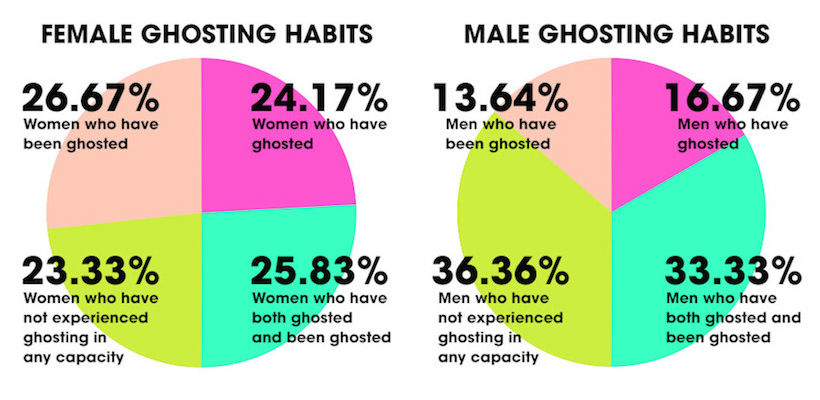
The Ghosting Phenomenon
Ghosting, a term borrowed from the supernatural realm, refers to the sudden disappearance of one party in an ongoing relationship, leaving the other bewildered and uncertain. While it’s often associated with dating scenarios, ghosting can manifest in various contexts—friends, colleagues, or even acquaintances can vanish without a trace.
Why Do People Ghost?
Understanding the motives behind ghosting can be as challenging as dealing with its aftermath. Some common reasons include:
- Conflict Avoidance: Fear of confrontation or uncomfortable conversations can lead individuals to seek silence rather than face potential conflict.
- Lack of Closure: Some believe that fading away without explanation is more straightforward than providing closure, assuming it will spare the other person’s feelings.
- Overwhelm or Disinterest: Feeling overwhelmed or uninterested in continuing the relationship might prompt someone to cut ties without explanation abruptly.
- Digital Disconnect: The digital nature of communication has made it easier for people to disconnect without facing the immediate consequences of their actions.
Coping With Ghosting
Surviving the disturbing experience of being ghosted can be emotionally challenging. Here are strategies to help navigate this perplexing situation:
- Self-Care: Prioritize self-care by engaging in activities that bring you joy and comfort. Exercise, hobbies, or spending time with supportive friends can help lift your spirits.
- Avoid Overanalysis: Resist the temptation to overanalyze the situation or blame yourself. Remember, ghosting reflects the other person’s actions, not your worth.
- Seek Closure (If Possible): While it’s often impossible to get closure from the person who ghosted you, finding closure within yourself is crucial. Reflect on what you learned from the relationship and focus on moving forward.
- Connect with Others: Surround yourself with friends and family who offer support and understanding. Connecting with others can help alleviate feelings of loneliness.
- Set Boundaries for Yourself: If the ghost reappears, consider whether reestablishing communication aligns with your well-being. Setting boundaries is essential to protect yourself from repeated hurt.
- Learn and Grow: Use this experience as an opportunity for personal growth. Understand what you value in relationships and use it as a guiding principle for future connections.

Surviving Ghosting, How to Heal from it, the future Prevention, and Not Rekindling that connection afterward
Ghosting, the act of suddenly cutting off all communication with someone without explanation or warning, can be emotionally devastating. It leaves individuals feeling abandoned, confused and hurt. Let’s explore three essential aspects related to ghosting:
- Surviving it.
- Avoiding it in the future.
- Handling the person who ghosted you when they try to rekindle the connection.
Surviving Ghosting
- Self-Care: The initial step in surviving ghosting is taking care of yourself emotionally and mentally. Understand that it’s not your fault; ghosting reflects the other person’s inability to communicate or their issues. Allow yourself to grieve the relationship’s loss, but remember your worth isn’t determined by someone else’s actions.
- Reach Out to Support: Lean on your support network, whether it’s friends, family, or a therapist. Talking about your feelings and experiences can help you process them and gain perspective.
- Set Boundaries: If the person who ghosted you resurfaces, be cautious about reopening communication. Set boundaries to protect your emotional well-being. It’s okay to request an explanation and an apology if necessary.
Avoiding Ghosting in the Future
- Effective Communication: One of the best ways to avoid being ghosted is to foster open and honest communication in your relationships. Encourage your partner to communicate their feelings, concerns, and boundaries, and reciprocate by doing the same.
- Recognize Red Flags: Consider early warning signs that may indicate potential ghosting. These can include infrequent communication, reluctance to commit, or evading conversations about the future.
- Self-Reflection: Assess your actions and behaviors in past relationships. Self-awareness helps you identify any patterns that contribute to ghosting situations and work on addressing them.

Handling the Ghoster’s Return
Reconnecting with someone who has ghosted you is generally not a good idea for several compelling reasons:
- Lack of Respect: Ghosting shows disrespect and disregard for your feelings. It reflects a lack of communication and maturity on their part. Reconnecting may only reinforce this behavior.
- Trust Issues: Ghosting can leave you with trust issues and emotional scars. Reestablishing contact with the person who ghosted you can reopen those wounds and hinder your ability to trust others in the future.
- Unresolved Issues: Ghosting often occurs when there are unresolved issues or incompatibilities between two people. Reconnecting without addressing these underlying problems will likely lead to the same issues resurfacing.
- Emotional Turmoil: Reconnecting with someone who ghosted you can trigger intense emotions, such as confusion, anger, and sadness. It may disrupt your emotional well-being and peace of mind.
- One-sided Interest: If someone ghosted you, it suggests they lost interest or were not invested in the relationship. Initiating contact again might put you in a position where you are more emotionally invested than they are, leading to potential imbalance and disappointment.
- Time and Energy Drain: Pursuing a reconnection can consume significant time and energy, which might be better invested in healthier and more respectful relationships.
- Better Opportunities: Focusing on the past may prevent you from exploring new connections and opportunities with people who genuinely value and respect you.
- Self-Esteem Impact: Constantly seeking validation from someone who has previously rejected you can harm your self-esteem and self-worth.
- Closure: Sometimes, it’s better to accept the ghosting as closure and move forward with your life. Reconnecting can complicate this process and delay your healing.
- Personal Growth: Moving on from a ghosting experience can be an opportunity for personal growth and learning. It allows you to reflect on what you want in a relationship and to set healthier boundaries.

If you must, Then Proceed With Caution:
- Assess Their Intentions: If the person who ghosted you wants to reconnect, take some time to evaluate their intentions. Do they genuinely want to make amends and have a healthy relationship, or are they just seeking convenience or emotional validation?
- Open Dialogue: If you engage with them, initiate an open and honest conversation. Express how their ghosting affected you and ask for an explanation. Listen to their side as well. It’s essential to communicate your boundaries and expectations for future interactions.
- Proceed with Caution: Rebuilding trust after ghosting can be challenging. Take things slow and ensure that their actions align with their words. Trust should be rebuilt gradually, and they should demonstrate consistent effort and respect.
Final Thoughts
Ghosting, with its inexplicable and hurtful nature, can leave emotional scars. However, by focusing on self-care, seeking closure within, and learning from the experience, it’s possible to emerge more robust and resilient. Remember, someone else’s actions don’t define your worth, and healing takes time. As you navigate through the haunting silence of ghosting, may you find solace in your resilience and the promise of new connections on the horizon.
Ghosting can be a painful experience, but surviving it is possible with self-care and support. Avoiding ghosting in the future requires effective communication and self-reflection, while handling a ghost’s return demands careful assessment and open dialogue. Ultimately, the goal should be to prioritize your emotional well-being and choose paths that lead to healthier and more fulfilling relationships.
While exceptions may exist, reconnecting with someone who has ghosted you is generally discouraged. Prioritizing your emotional well-being and self-respect and pursuing healthier and more fulfilling relationships is essential.

 Realizations with Tiffany K. Charles