

Every man has been told they must have at least one good suit. Suitable for any occasion. Oh, how a good suit makes the man a great man. Or at least great looking. But have you ever wondered where the idea of men wearing suits comes from? Why was it such a flex in the old ways of time, and why are fewer men wearing them nowadays? I guess it’s a preference for everyday suit wear, but are men really diggin’ the sophisticated and dapper style anymore? Or have the cost of owning one become too much for the average working man to consider…
Nevertheless, the saying is true: “A good suit will make a man look like a Million bucks!” If a man can have his suit tailored-made vs. mass-produced to a specific pre-cut size, then I’m sure they would fancy them over the conventional and traditional business attire and work wear. A making tailored suits: however, now there is a skill many cannot possess. In this blog, I shall give you a tailored history lesson on why they say the suit makes the man, but his tailor makes him THE man.” ( I made that up) So, let’s get those measurements, don’t suck in that gut now, and let’s get you all pinned up and ready for your tailored-made suit!

The journey of the suit spans centuries, with its roots dating back to the late 17th century. It emerged as a practical and fashionable attire, evolving from more elaborate and flashy garments of earlier eras.
Invention and Evolution:
The modern suit as we recognize it today traces its origins to the courts of Europe in the 1660s. Charles II of England popularized the adoption of a more understated, refined attire, departing from the flamboyant clothing styles of his predecessors. This transition heralded the birth of the “suit” – a coordinated ensemble consisting of a coat, a waistcoat, and trousers, reflecting a newfound sense of simplicity and elegance.
Why Men Wear Suits:
The desire for practicality, formality, and social norms influenced the evolution of suits. Suits became symbolic of professionalism, status, and sophistication. They convey a sense of authority, confidence, and attention to detail, making them the preferred attire for formal occasions, business settings, and professional engagements.
Anatomy of a Suit:
- The Jacket: A cornerstone of the suit, the jacket provides structure and style. Its lapels, pockets, and buttons serve functional and aesthetic purposes, elegantly framing the torso.
- The Waistcoat (Vest): Initially a separate garment, it evolved into an integral part of the suit, adding depth and refinement. While its practical use has diminished, it remains a symbol of classic elegance.
- Trousers: Completing the ensemble, trousers provide balance and symmetry. They are designed for comfort and style, complementing the overall look of the suit.

The Timeless Appeal of Tailor-Made Suits:
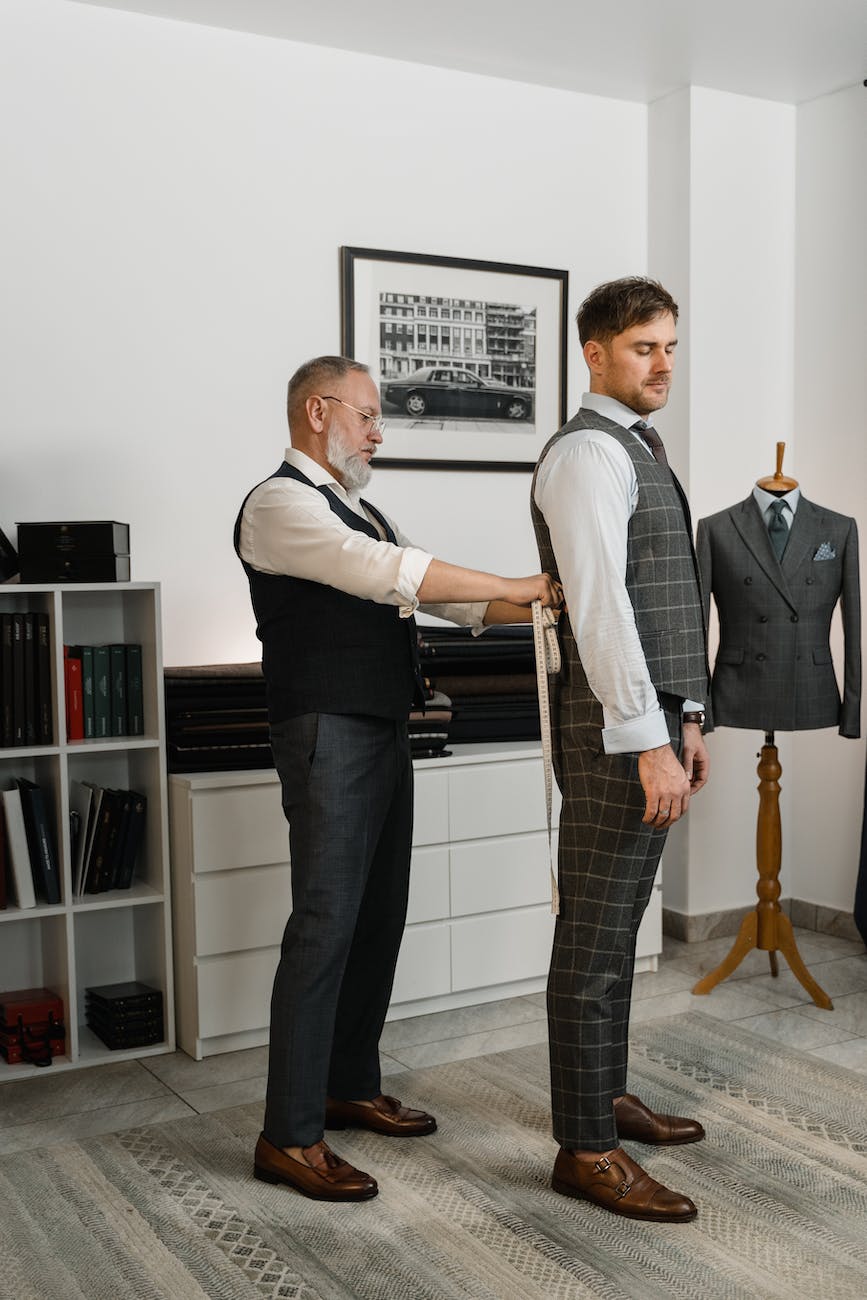
Tailor-made suits offer a personalized fit and craftsmanship that elevate one’s appearance. They are meticulously crafted to an individual’s measurements, enhancing comfort, confidence, and style. The attention to detail, fabric choice, and bespoke design with unique garments stand the test of time. Their exclusivity and personalized touch ensure they remain a symbol of refined taste and sophistication.
Throughout history, several famous tailors have left an indelible mark on the world of bespoke suits. Among them, the most renowned include:
- Henry Poole & Co.- Established in 1806 on London’s Savile Row, is credited as the first tailor to create a dinner jacket for the future King Edward VII, setting the standard for formal eveningwear.
- Anderson & Sheppard – Are known for pioneering the “English Drape” style in the early 20th century, offering a softer silhouette with a natural shoulder line, revolutionizing men’s tailoring.
- Giorgio Armani – Has elevated ready-to-wear suits to new heights in the 1970s and ’80s, introducing a relaxed, unstructured silhouette that symbolized sophisticated casual elegance.
- Ralph Lauren – Renowned for his American-inspired designs, introduced classic, timeless suits reflecting the elegance of the Ivy League style, combining traditional British tailoring with American sensibility.
- Brioni – Famous for dressing Hollywood icons and influential figures, crafting luxurious, impeccably tailored suits that epitomize Italian craftsmanship and elegance.
- Franklin & Anthony – This is a bespoke suit company that shapes and transforms the aesthetics of men and women everywhere. We help bring your style visions to life by creating distinctive, one-of-a-kind custom pieces. Whether the occasion is formal, corporate attire, or stylishly casual, Franklin & Anthony can create a masterpiece that will surely make an unforgettable impression.
Each of these tailors contributed significantly to the evolution of suits, setting trends and standards in craftsmanship, style, and fit that continue to influence modern menswear.
The Art of Attire

Attire speaks volumes before words are uttered. The suit, a quintessential symbol of masculine elegance and refinement, embodies a spectrum of styles, each tailored to distinct occasions. The nuanced diversity within men’s suits offers a canvas upon which personalities and occasions are gracefully painted. Understanding these variations and their appropriate domains is akin to mastering the language of sartorial eloquence.
1. The Business Suit
The business suit exudes professionalism and competence, and it is a staple in every gentleman’s wardrobe. Its design is tailored for formal settings, where a poised and respectable appearance is imperative. Typically composed of dark, solid colors such as navy, charcoal, or black, it communicates authority and sophistication. A two-piece or three-piece ensemble, paired with a crisp dress shirt and complementary tie, is the standard attire for corporate environments, job interviews, and formal business meetings.
2. The Tuxedo
At the zenith of formal elegance rests the tuxedo, an embodiment of sophistication and refinement. Characterized by its satin lapels, often in black, and accompanied by a bow tie, the tuxedo is reserved for ceremonial occasions. It’s the fitting choice for black-tie events, galas, weddings, and opera nights. The meticulous attention to detail, from the cummerbund to the patent leather shoes, symbolizes a man embracing the essence of luxury.
3. The Casual Suit
Evokes a more relaxed demeanor without compromising style, the casual suit provides versatility for semi-formal gatherings or less rigid business settings. Lighter fabrics like linen or cotton blends and softer construction offer comfort and mobility. This suit allows for personalization through colors, patterns, and accessories. It’s suitable for events like daytime weddings, garden parties, or dinners where a polished yet laid-back appearance is appreciated.
4. The Dinner Suit
A cousin to the tuxedo but less formal, the dinner suit strikes a balance between sophistication and informality. This suit usually features a black or midnight blue jacket paired with trousers, complemented by a dress shirt and a refined tie. It’s fitting for intimate dinner parties, upscale social gatherings, or formal evenings where a tuxedo might be too traditional but a casual suit inadequate.
Selecting the Right Suit for the Occasion
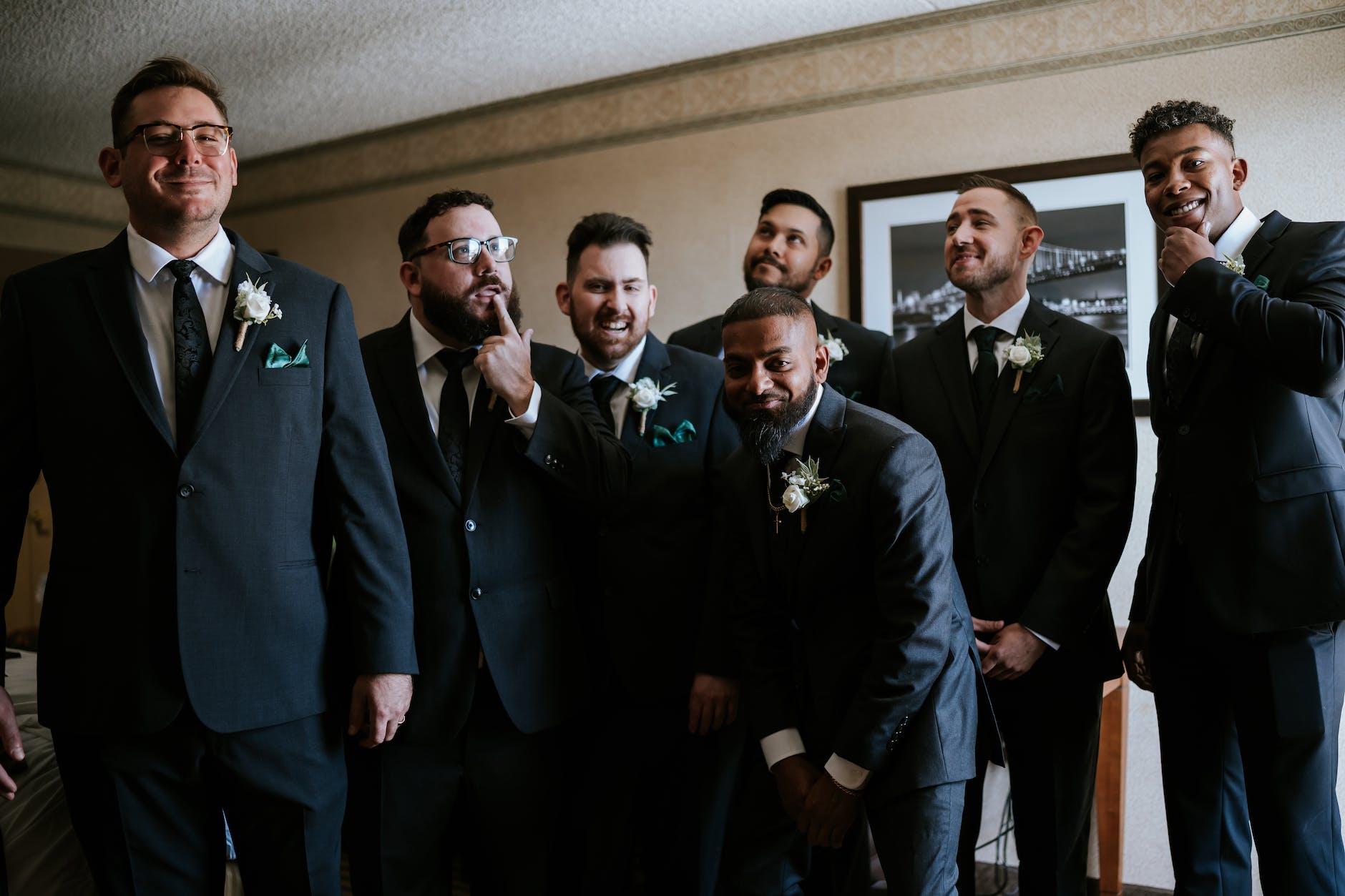
The choice of a suit isn’t merely about fabric and cut; it’s about aligning attire with the essence of the occasion. A man navigating this landscape should consider the event’s tone, formality, and expectations. The business suit is unshakable for professional settings demanding gravitas and professionalism. Its dark hues and structured silhouette exude authority and credibility.
When the evening calls for the epitome of grandeur and formality, the tuxedo takes center stage. Its meticulous detailing and luxurious aura make it the undisputed champion of black-tie events and grand celebrations.
When the setting strikes a balance between casual and formal, the superficial or dinner suit presents a harmonious blend of elegance and comfort, offering the wearer a sense of refinement without excessive formality.
The Future of Suits and Gen Z’s Influence:
As fashion evolves, so does the perception of professional attire. Gen Z, known for valuing individualism and comfort, is reshaping the conventions of workplace dressing. Suits are transforming and adapting to accommodate a more diverse and expressive style. This shift includes a fusion of traditional tailoring with modern aesthetics, embracing sustainability, comfort, and versatility.
Final Thoughts
While the suit has endured centuries of fashion evolution, its essence remains timeless. Tailor-made suits continue to hold a special place in wardrobes, blending tradition with contemporary sensibilities. The suit adapts as the fashion landscape evolves, ensuring its relevance and continued admiration among new generations.
The journey through the realm of men’s suits is a sophisticated tapestry of styles and occasions. The discerning gentleman, armed with the knowledge of each suit’s unique voice, navigates the labyrinth of attire effortlessly, crafting a sartorial symphony harmonizing with the ethos of each occasion. Ultimately, it’s not solely about the suit worn but the poise, confidence, and respect for the event that truly defines a man’s elegance.
 Realizations with Tiffany K. Charles