
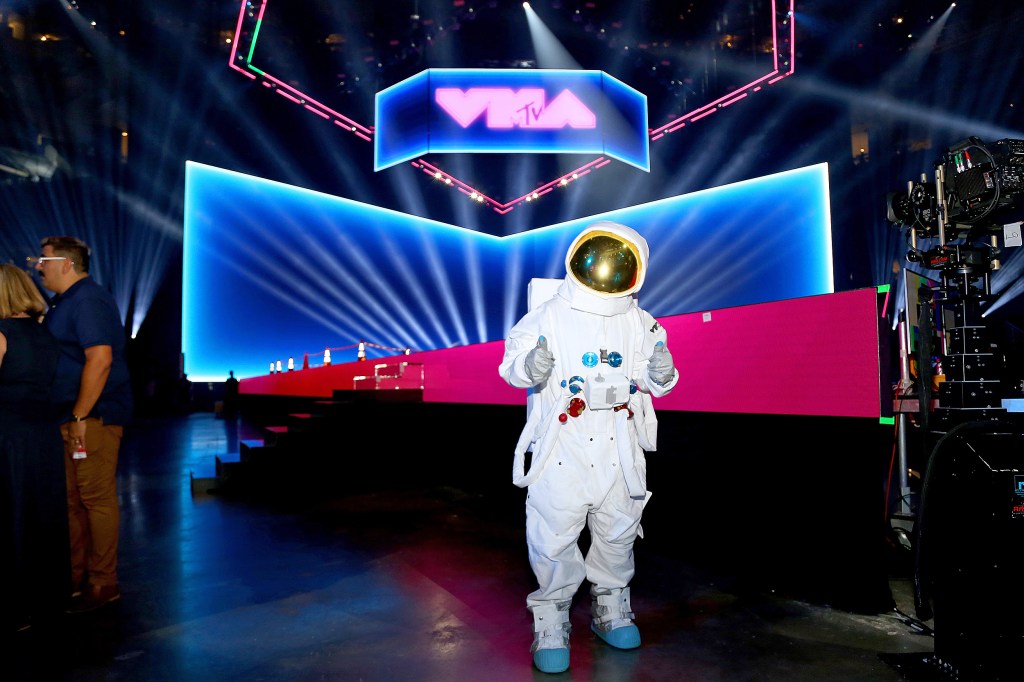
Whenever we hear that the VMAS is approaching its airdate, we get Gitty. The music fans get all super excited. And for many reasons, however, nothing is more critical than Artist of the Year! Then there is the fashion and who’s showing up with who and so forth. But it all depends on one thing, which will determine if we watch the show in its entirety, and that is who will host it. The host sets the tone for the crowd, the vibe, and the reactions to who wins what. And when the show’s done and the night is getting along, the winners, losers, and presenters go out to play.
That’s when we, the public, begin to pull apart much of what we’ve just watched. We analyze the live performances to deem them worthy enough, whether our favorite artist outdid anyone else, and which video and director were the best overall. Nevertheless, once the pomp and pageantry are over, we, the people and lovers of music, must then, in essence, face the music. In this blog, we’ll explore the origins of the MTV Music Awards, how the process works, why we have a show for it, how it impacts culture, and how it influences music.
For over four decades, the MTV Music Awards (MTV VMAs) have been a cultural phenomenon that celebrates music, honors artists, and influences the music industry and popular culture. This annual event is rooted in the rise of MTV, the music television network that changed how we experience music and visual entertainment. So let us swim through this blog about The VMAs, and I’ll hold your hand, friend, because we will dissect and devour the VMAs… And now, it’s time for the beginning…
The Birth of MTV and the Need for Recognition

Before delving into the MTV Music Awards themselves, it’s crucial to understand the genesis of MTV. On August 1, 1981, MTV debuted as a cable television channel that exclusively aired music videos. This groundbreaking concept revolutionized the music industry, allowing artists to connect with their fans on a visual and auditory level like never before. It also catapulted music videos into mainstream consciousness. MTV, or Music Television, was founded by Robert Pittman and was initially intended to cater to the younger generation, specifically the Baby Boomers and Generation X, who were becoming increasingly engaged with popular music during that time.
MTV revolutionized the music world by making music videos a central part of the music industry. Before MTV, music videos were relatively scarce and often only played on television during special programs or late-night shows. MTV’s 24/7 music video format allowed artists to visually express their music and connect with their audience in new and innovative ways. This change influenced how music was produced and contributed to the rise of image-conscious musicians and the importance of visual aesthetics in the music industry. As MTV became a cultural juggernaut, it became clear that recognition for the artists who made these iconic videos was needed. Thus, the MTV Music Awards were born.
First Winners
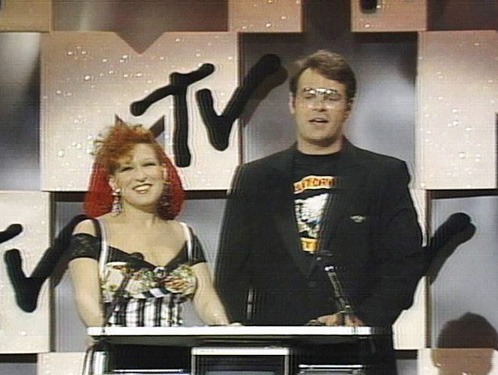
The first MTV VMA winners not only showcased the talent and creativity of the artists but also reflected the unique and innovative spirit of the network itself. The 1984 MTV VMAs took place at Radio City Music Hall in New York City on September 14, a groundbreaking event celebrating the art of music videos. The awards were hosted by Dan Aykroyd and Bette Midler, bringing together various musical talents from multiple genres.
Here are some of the first MTV VMA winners:
- Video of the Year: The first-ever Video of the Year award went to The Cars for their “You Might Think.” This quirky and visually captivating video, directed by Jeff Stein, featured innovative special effects and displayed the medium’s potential.
- Best Male Video: Michael Jackson’s “Thriller” won the award for Best Male Video. “Thriller” was a groundbreaking music video and an iconic moment in the history of popular culture.
- Best Female Video: Cyndi Lauper won the Best Female Video award for her infectious hit “Girls Just Want to Have Fun.” The video, directed by Edd Griles, captured the fun and carefree spirit of the song.
- Best New Artist in a Video: Eurythmics won this category for “Sweet Dreams (Are Made of This),” a visually striking and thought-provoking video that perfectly complemented the song’s message.
- Best Concept Video: A-ha’s “Take on Me” won the Best Concept Video award. The video’s groundbreaking blend of animation and live-action created a memorable visual experience.
These early winners represented a mix of established artists and rising stars, and they highlighted the importance of creativity and innovation in music video production. The MTV VMAs quickly gained a reputation for recognizing and celebrating the music and the visual artistry that accompanied it.
The first MTV VMAs set the stage for future ceremonies, establishing the awards show as a platform for musicians and directors to push the boundaries of creativity in music videos. Over the years, the VMAs have continued to evolve, reflecting changing music, fashion, and pop culture trends, making it a staple event for music enthusiasts worldwide.
The Evolution of the MTV Music Awards

The first MTV Music Awards took place, and it was a small, intimate affair compared to the spectacle they would later become. The initial award categories were relatively simple, focusing on general genres and individual video achievements. Over the years, the awards have grown to encompass a wide range of categories, reflecting the ever-changing landscape of the music industry.
One of the most influential aspects of MTV has been its annual Video Music Awards (VMAs). Since its inception in 1984, the VMAs have become a prestigious event in the music industry, celebrating the best music videos and recognizing artistic achievements in the field. The VMAs have influenced popular culture by setting fashion, music, and entertainment trends. Iconic moments from the VMAs are Madonna’s performance of “Like a Virgin” in 1984 and Britney Spears’ performance of “I’m a Slave 4 U” in 2001. Some performances have left a lasting impact on music and entertainment.
The MTV VMAs of today honor artists for their music videos and their contributions to culture and social issues. Categories like “Video of the Year,” “Best Collaboration,” and “Best Visual Effects” recognize the artistic and technical aspects of music videos. Meanwhile, awards like “Video for Good” highlight artists’ efforts to raise awareness about important social and political issues.
The Nomination and Voting Process
The MTV Video Music Awards (VMAs) nomination and voting process is a significant aspect of the annual event, celebrating outstanding achievements in the music video industry. While specific details may change from year to year, the following is a general outline of how the nomination and voting process typically works:
Eligibility Period:
The VMAs’ eligibility period usually spans from the end of the previous year’s awards show until a specified cutoff date. Only music videos and artists’ work released during this period are eligible for nomination.
Selection Committees:
MTV establishes various committees and panels composed of industry professionals, critics, and MTV staff to determine the nominees in multiple categories. These committees review eligible music videos and artists and compile a list of potential nominees.
Nomination Categories:
The VMAs feature various award categories, including Video of the Year, Best New Artist, Best Collaboration, and genre-specific awards. The committees consider the appropriateness of each music video and artist for these categories.
Nomination Announcement:
MTV officially announces the list of VMA nominees, usually through a live television broadcast or a social media event. This announcement generates excitement and anticipation among fans and artists.
Public Voting:
The public is invited to participate in the voting process in many categories. This typically happens through online voting platforms or social media platforms, where fans can cast their votes for their favorite nominees.
Professional Voting:
In addition to public voting, some categories may rely on the votes of industry professionals, including music industry insiders, artists, and MTV staff. These professionals help determine the winners in specific categories.
Voting Period:
The voting period typically lasts until the awards show. Fans and industry professionals can cast their votes during this time.
Verification and Counting:
A third-party accounting firm verifies and counts the votes to ensure the integrity of the process. Based on these verified votes, the nominees and winners are determined.
Winner Announcement:
The VMA winners are officially announced during the annual awards ceremony. The winners are awarded the iconic Moon Person trophy.
Awards Show:
The MTV VMAs ceremony is a star-studded event that features live performances, celebrity appearances, and the presentation of the awards to the winners. The show is broadcast on television and livestreamed online.
Remember that the specific details and mechanics of the nomination and voting process for the MTV VMAs may vary from year to year, and MTV may introduce new elements to keep the awards show fresh and engaging. Nonetheless, the general structure outlined above provides an overview of the process.
The Cultural Impact of the MTV VMAs
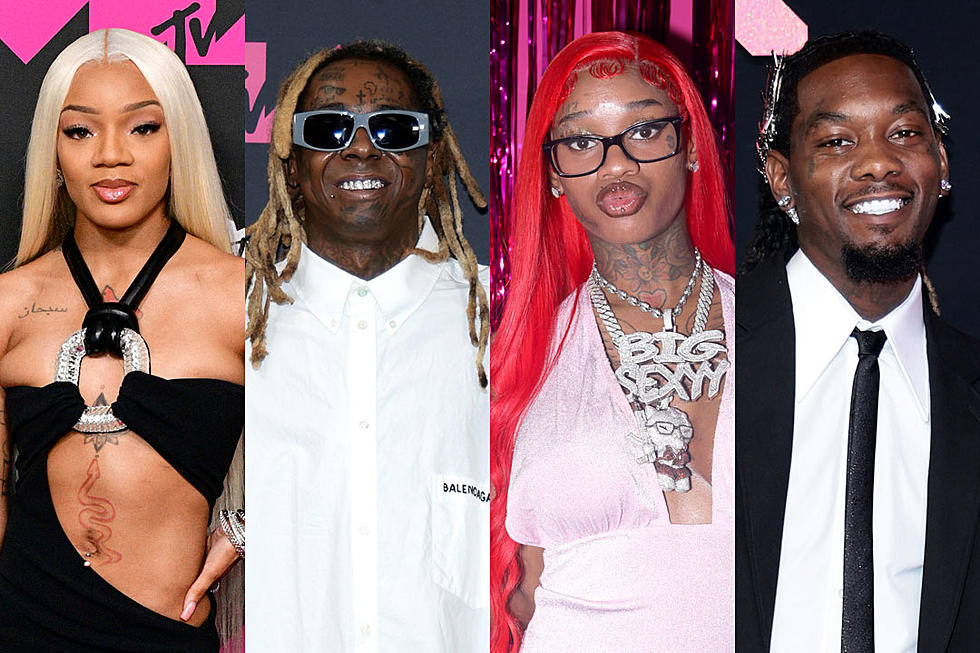
The MTV VMAs have had a profound impact on popular culture. They have served as a platform for artists to make powerful statements, showcase their creativity, and sometimes even provoke controversy. Iconic moments like Madonna’s “Like a Virgin” performance in 1984 and Miley Cyrus’s twerking in 2013 have become cultural touchstones.
Furthermore, the awards show has often been at the forefront of social issues, with artists using their acceptance speeches and performances to raise awareness about topics like AIDS, racial inequality, and LGBTQ+ rights. In this way, the MTV VMAs have evolved into more than just entertainment; they reflect the times and are a platform for social change.
Influence on Music
The MTV VMAs have played a pivotal role in shaping the music industry. Winning an MTV VMA can boost an artist’s career and bring them to the attention of a global audience. It’s not just about the award itself; it’s about the exposure and recognition that comes with it.
Additionally, the emphasis on music videos at the VMAs has created groundbreaking visuals that have become synonymous with certain songs and artists. Directors, choreographers, and designers have all had their work recognized through these awards, further cementing the importance of music videos in the industry.
Final Thoughts
The MTV Music Awards have come far from their humble beginnings in 1984. They have become a cultural touchstone, a celebration of music and creativity, and a platform for artists to make a statement. The MTV VMAs have left an indelible mark on the music industry and popular culture with their unique nomination and voting process and focus on music videos. As music continues to evolve, so will the MTV Music Awards, reflecting the industry’s changing landscape and world.
In retrospect, the launch of MTV was not just a television milestone but a cultural revolution. It transformed how music was consumed, promoted, and appreciated, making it a memorable part of popular culture. Over the years, MTV has evolved to incorporate various forms of entertainment beyond music. Still, its inception remains a testament to the power of innovation and the enduring influence of music on our lives.
MTV was created to target a younger audience and changed the music world by popularizing music videos. As an integral part of MTV, the VMAs have significantly shaped the music industry and pop culture, leaving a lasting imprint on generations of music fans and artists alike.
 Realizations with Tiffany K. Charles