
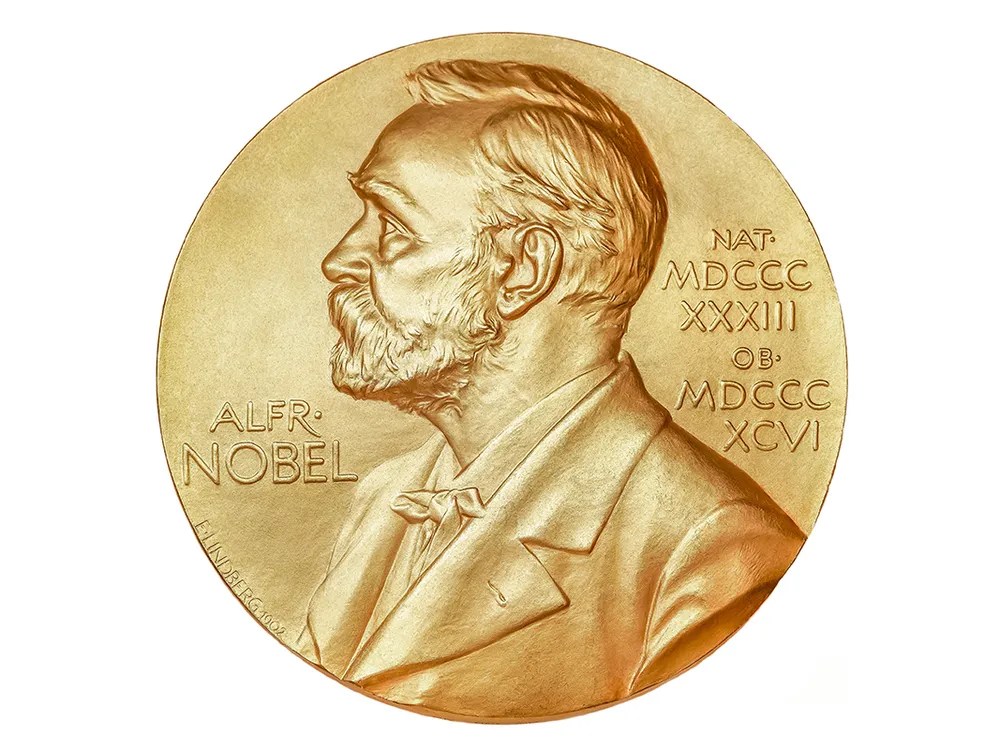
The Nobel Peace Prize is one of the most prestigious awards in the world. It is awarded annually to individuals or organizations that have contributed exceptionally to promoting peace and resolving conflicts. But how did this award come to be, and what is its history?
The Nobel Peace Prize was established in 1901 by the Swedish inventor and philanthropist Alfred Nobel. In his will, Nobel specified that the bulk of his fortune be used to create prizes in physics, chemistry, medicine or physiology, literature, and peace. The Nobel Peace Prize is the fifth and final prize to be established and is awarded by the Norwegian Nobel Committee.
The first Nobel Peace Prize was awarded in 1901 to Henry Dunant, the founder of the International Red Cross, and Frédéric Passy, a French peace activist and economist. Over the years, the Nobel Peace Prize has been awarded to many notable figures, including Mahatma Gandhi, Mother Teresa, Nelson Mandela, Martin Luther King Jr., and Malala Yousafzai, to name a few.
How the Nobel Peace Prize Works:
The Nobel Peace Prize is one of the five Nobel Prizes established by Alfred Nobel’s will, and it is awarded to individuals or groups who have made significant contributions to the promotion of peace. The selection process is overseen by various institutions and committees under Nobel’s will.
Here’s an overview of how the process works:
- Nominations: Qualified individuals and organizations are invited to submit nominations for the Nobel Peace Prize. These can include politicians, academics, previous laureates, members of specific international organizations, and more. The Nobel committees also actively seek out nominations from experts in relevant fields.
- Review and Shortlisting: The Nobel committees for each prize category, including the Nobel Peace Prize, review the nominations and narrow the list of potential laureates. The committees may seek advice from experts in various fields.
- Recommendations: The committees make recommendations to the Norwegian Nobel Committee for the Peace Prize, which is responsible for selecting the laureates. The Norwegian Nobel Committee comprises five members appointed by the Norwegian Parliament (Stortorget).
- Decision: The Norwegian Nobel Committee makes the final decision on the Nobel Peace Prize laureate(s) through a majority vote. The decision is usually made in early October.
- Announcement: The Nobel Peace Prize laureate(s) is announced to the public in a press conference held in Oslo, Norway, in early October. The announcement includes a description of the laureate’s achievements and contributions to peace.
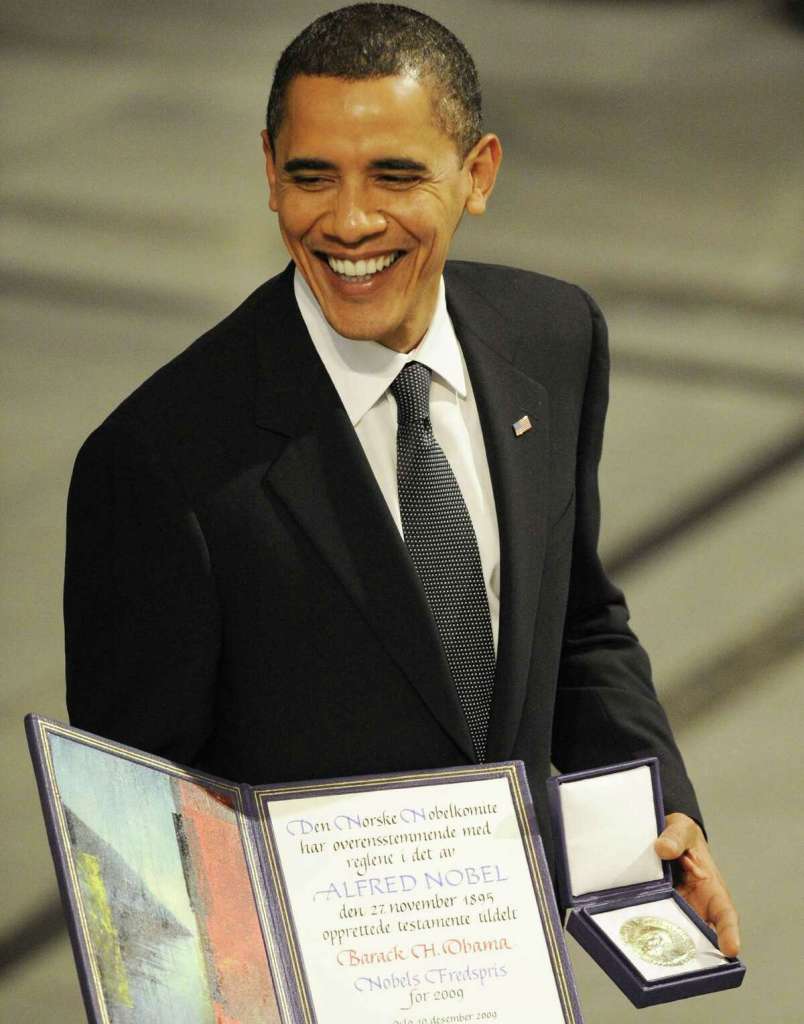
One of the most notable recipients of the Nobel Peace Prize was President Barack Obama, who was awarded the prize in 2009 for his efforts to strengthen international diplomacy and cooperation between peoples. Obama’s acceptance of the prize was criticized and praised, with some saying he needed to do more to deserve the award. In contrast, others felt his efforts toward promoting peace and his commitment to multilateralism were commendable.
The Nobel Peace Prize has been subject to controversy throughout its history. In 1973, the US Secretary of State, Henry Kissinger, was awarded the prize for negotiating a ceasefire in the Vietnam War. The award was met with widespread criticism and protests, as many felt that Kissinger was responsible for human rights violations and the extension of the war.
How the Nobel Peace Prize Works:
The Nobel Peace Prize is one of the five Nobel Prizes established by Alfred Nobel’s will, and it is awarded to individuals or groups who have made significant contributions to the promotion of peace. The selection process is overseen by various institutions and committees following Nobel’s will.
Here’s an overview of how the process works:
- Nominations: Qualified individuals and organizations are invited to submit nominations for the Nobel Peace Prize. These can include politicians, academics, previous laureates, members of specific international organizations, and more. The Nobel committees also actively seek out nominations from experts in relevant fields.
- Review and Shortlisting: The Nobel committees for each prize category, including the Nobel Peace Prize, review the nominations and narrow the list of potential laureates. The committees may seek advice from experts in various fields.
- Recommendations: The committees make recommendations to the Norwegian Nobel Committee for the Peace Prize, which is responsible for selecting the laureates. The Norwegian Nobel Committee comprises five members appointed by the Norwegian Parliament.
- Decision: The Norwegian Nobel Committee makes the final decision on the Nobel Peace Prize laureate(s) through a majority vote. The decision is usually made in early October.
- Announcement: The Nobel Peace Prize laureate(s) is announced to the public in a press conference held in Oslo, Norway, in early October. The announcement includes a description of the laureate’s achievements and contributions to peace.
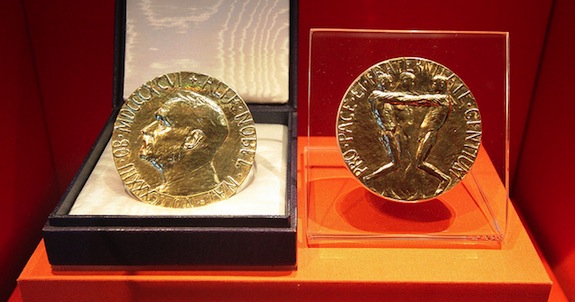
Despite the controversies, the Nobel Peace Prize continues to be one of the most prestigious awards in the world. It is awarded annually to individuals or organizations that have significantly contributed to promoting peace and resolving conflicts. Over the years, the Nobel Peace Prize has played an essential role in shining a light on the efforts of peace activists and promoting their work. It remains an essential symbol of the international community’s commitment to peace and non-violence.
What Happens When You Win the Nobel Peace Prize:
Winning the Nobel Peace Prize is a prestigious and globally recognized honor. Here’s what typically happens when an individual or group wins the Nobel Peace Prize:
- Award Ceremony: The Nobel Peace Prize is awarded annually on December 10th, the anniversary of Alfred Nobel’s death. The award ceremony takes place in Oslo, Norway, and is attended by the laureate(s), dignitaries, and guests worldwide.
- Diploma and Medal: The laureate(s) receives a Nobel diploma, a gold medal, and a cash prize. The King of Norway traditionally presents the diploma and medal.
- Acceptance Speech: The laureate(s) is expected to deliver an acceptance speech during the award ceremony. This speech often highlights the laureate’s work, contributions, and vision for a more peaceful world.
- Impact and Recognition: Winning the Nobel Peace Prize brings international recognition to the laureate’s cause and can amplify their efforts to promote peace and resolve conflicts. It often provides a platform for raising awareness and advocating for change on a global scale.
- Continued Work: Many Nobel Peace Prize laureates use the prize money and recognition to further their work, support their organizations, and advance their causes. The laureates continue to promote peace and address the issues they have been recognized for.
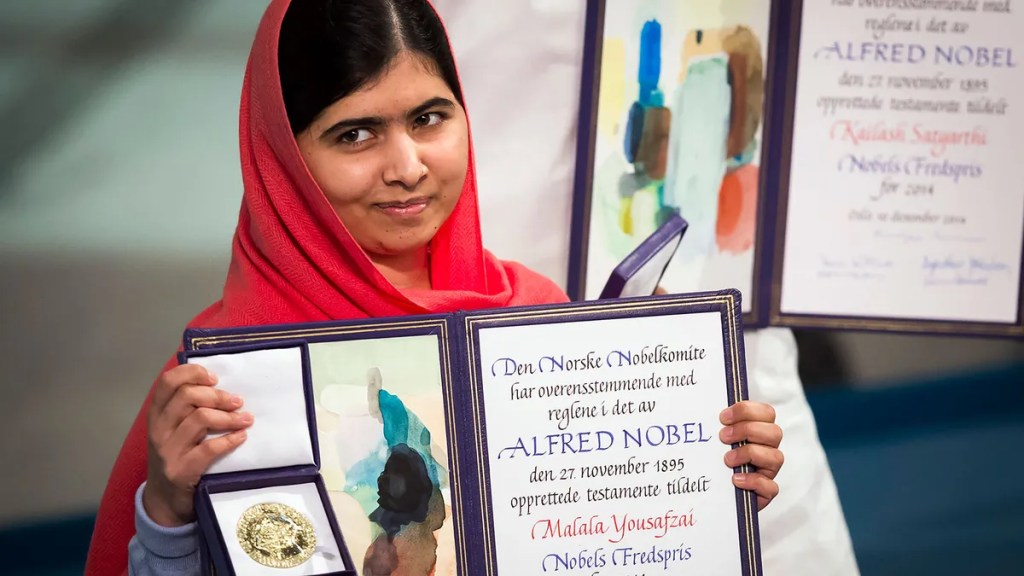
The Nobel Peace Prize has recognized many efforts, including diplomacy, human rights advocacy, environmental protection, and disarmament. It symbolizes hope and inspiration for a better and more peaceful world.
The Nobel Peace Prize has a rich and fascinating history and has been awarded to some of the world’s most influential and inspiring figures. Whether one agrees with all of the awards or not, it is clear that the Nobel Peace Prize plays a crucial role in promoting peace and resolving conflicts and will continue to be a source of inspiration and motivation for future generations.
 Realizations with Tiffany K. Charles