
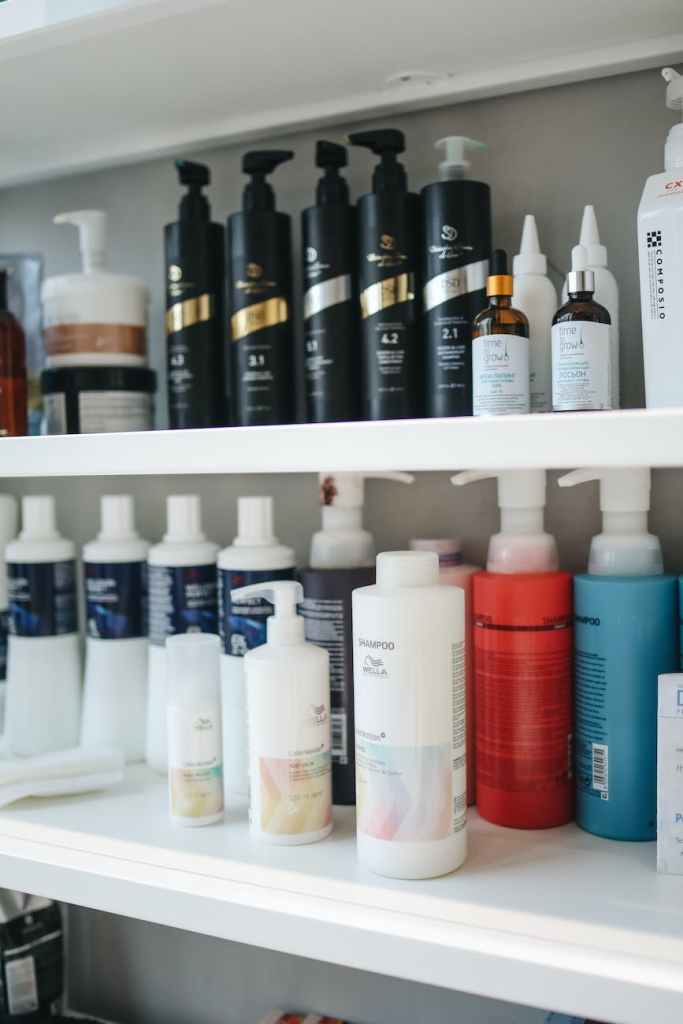
Hair care is a practice deeply ingrained in human culture, and the history of washing hair stretches back thousands of years. What started as a simple necessity to maintain cleanliness has evolved into a multi-billion-dollar industry. In this blog, we will embark on a fascinating journey through time, exploring the origins of hair-washing rituals and tracing the invention and development of Shampoo and conditioner.
Ancient Hair Care Practices: Ancient civilizations recognized the importance of hair hygiene long before modern hair care products. Ancient Egyptians, for instance, were known for their meticulous grooming habits. They used animal and plant oils and perfumes to cleanse and fragrance their hair. In ancient India, “oil bathing” involved massaging the scalp and hair with various herbal oils to promote strength and vitality.
Early Shampooing Methods: “Shampoo” originates from the Hindi word “champu,” meaning massage. In India, herbal extracts were used to clean the hair and scalp as early as the 16th century. On the other hand, European cultures relied on natural ingredients such as soapwort, nettles, and herbs to wash their hair. However, in the 19th century, the concept of Shampoo as a specialized hair-cleansing product emerged.
Exploring the Pioneers of the First Shampoo Company
The first shampoo company, founded in the late 1800s, was the brainchild of two visionary individuals. James Wood Johnson and Edward Mead Johnson. These brothers set out to create a product to cleanse and beautify hair, pioneering a new era in personal hygiene. James and Edward Johnson hailed from a family with a deep-rooted passion for pharmaceuticals. Their family business, Johnson & Johnson, was already well-known for producing high-quality medical products. However, to expand their portfolio and cater to a broader audience, the Johnson brothers turned their attention to the hair care industry.
After extensive research and experimentation, the Johnson brothers successfully developed the first commercial Shampoo. They combined gentle cleansing agents, conditioning ingredients, and aromatic substances to create a formula that cleans the hair and leaves it soft, manageable, and pleasantly scented. In our modern world, Shampoo is a ubiquitous part of our daily lives. Yet, we often take it for granted, never considering its origins or the companies that have shaped its evolution. Today, we embark on a journey to explore the fascinating history of the first shampoo company, delving into the pioneers who paved the way for the vibrant industry we know today.
Shampoo and conditioner are two essential personal care products that have been around for centuries and have undergone numerous transformations to reach their current form. From their ancient roots to modern times, the evolution of Shampoo and conditioners reflects consumers’ changing needs and preferences. But what about the conditioner? How did it come about, and why?
Evolution of Conditioner: Conditioner, as a companion to Shampoo, emerged much later in the hair care timeline. In the early 20th century, hair rinses were used to soften the hair after shampooing. However, it was in the 1950s that the first proper hair conditioner was introduced. Pioneered by Jheri Redding, this product aimed to improve hair manageability and restore moisture. Redding’s invention began an era in which conditioners became essential to hair care routines worldwide.
The first conditioner was introduced in the 1940s and was marketed as a product that could restore the natural oils stripped from the hair by Shampoo. This new product was a game-changer, and soon, every shampoo brand began offering its version of a conditioner.
Over the next few decades, Shampoos and conditioners evolved to address specific hair concerns, such as dandruff, dryness, and split ends. Then, in the 1980s, “2-in-1” Shampoos and conditioners were introduced, making hair care even more convenient.
Advancements and Innovation: Over the years, the hair care industry has witnessed remarkable advancements in product development. Scientists and cosmetic companies have worked tirelessly to refine formulas, introduce specialized shampoos for various hair types, and incorporate beneficial ingredients. As a result, including vitamins, botanical extracts, and natural oils has become commonplace, catering to the diverse needs of consumers.
*** It’s imperative to remember that Sulfates, Parabens, Polyethylene Glycols (PEG), Phthalates, Formaldehyde, Triclosan, and Dimethicone are ingredients that you should stay away from when it comes to looking for outstanding and helpful shampoos and conditioners. The following information should help you make healthy decisions when it comes to looking for excellent hair care:
- Sulfates- Sulfates, such as sodium lauryl sulfate (SLS) and sodium laureth sulfate (SLES), are commonly used in shampoos to create a foaming lather. However, sulfates can strip the natural oils from your hair and scalp, leading to dryness, irritation, and potential damage to the hair follicles. They can also cause scalp sensitivity and trigger allergic reactions in some individuals.
- Parabens- Parabens are preservatives in many personal care products, including shampoos. They have been linked to potential hormone disruption and found in breast cancer tumors, although no causal relationship has been definitively established. Parabens can also cause skin irritation and allergic reactions in specific individuals.
- Polyethylene Glycols (PEG)- PEGs are used as emulsifiers, thickeners, and moisture-retaining agents in shampoos. However, some PEG compounds can be contaminated with toxic impurities like ethylene oxide and 1,4-dioxane, known carcinogens. These impurities can be absorbed through the skin and pose potential health risks.
- Phthalates- Phthalates are a group of chemicals used as solvents and plasticizers in various products, including shampoos. They have been associated with hormone disruption, reproductive and developmental toxicity, and potential adverse effects on the liver, kidneys, and lungs. Some phthalates have also been classified as possible human carcinogens.
- Formaldehyde- Formaldehyde is occasionally used as a preservative in shampoos and other personal care products. It is a known human carcinogen and respiratory irritant. Prolonged exposure to formaldehyde can lead to skin irritation, allergies, and respiratory issues, particularly in individuals with pre-existing sensitivities.
- Triclosan- Triclosan is an antimicrobial agent used in some shampoos to kill bacteria. It has been linked to hormone disruption, antibiotic resistance, and potential environmental adverse effects. Overusing triclosan may contribute to developing resistant bacteria, making it less effective in fighting infections when needed.
- Dimethicone- Dimethicone is a silicone-based ingredient used in shampoos to provide a smooth and silky texture. While it can create the illusion of healthier hair by coating the strands, it can also lead to product buildup over time. This buildup can make the hair feel heavy and weighed down, and it may also block the scalp’s natural oil production, leading to dryness and potential irritation.
***** It’s important to note that the risks associated with these ingredients can vary depending on their concentration, frequency of use, and individual sensitivity. Reading product labels and opting for shampoos with natural, organic, or alternative ingredients can help minimize potential exposure to these substances.
Today and Beyond: In the 21st century, hair care has reached new heights. The market is flooded with various shampoos and conditioners tailored to address specific concerns, such as dryness, frizz, color-treated hair, and more. Additionally, the demand for natural and organic hair care products continues to grow, reflecting a desire for eco-friendly options. In recent years, there has been a shift towards natural and organic hair care products. Consumers are becoming more aware of the impact of harsh chemicals on their hair and the environment, and they are seeking out products made with natural ingredients that are gentle on their hair and scalp.
From the ancient rituals of herbal oils to the modern marvels of Shampoo and conditioner, the history of hair washing is a testament to our desire for cleanliness, beauty, and self-care. As the hair care industry continues to evolve, it is crucial to appreciate the cultural heritage and scientific innovation that has shaped our hair care routines today. So, the next time you reach for that bottle of Shampoo or conditioner, remember the journey to reach your bathroom shelf and the centuries of wisdom that went into perfecting it. The history of Shampoo and conditioner is a testament to the evolution of personal care products and consumers’ changing needs and preferences. From the ancient practices of India to the latest developments in natural hair care, Shampoo and conditioners have come a long way. And with ongoing advancements in technology and research, this evolution will continue for many years.
 Realizations with Tiffany K. Charles